
In an extraordinary and deeply unsettling revelation, Canada has accused six Indian diplomats and consular officials of orchestrating violent attacks on Canadian soil, targeting opponents of the Modi government. The allegations, recently disclosed by the RCMP, describe a chilling pattern of coercion, surveillance, and even murder all allegedly linked to India’s diplomatic missions in Ottawa, Toronto, and Vancouver.
If these claims hold, they represent more than mere breaches of protocol; they are a stark violation of international norms and the fundamental trust that underpins diplomatic relations. Diplomats are meant to build bridges, foster dialogue, and protect citizens abroad not to manipulate local communities, hire criminal gangs, or plot assassinations. The very idea that visa approvals could be weaponized to recruit informants or surveil citizens is a profound betrayal of both ethical and legal standards.
Much of the alleged violence has been directed at the Sikh community in Canada, particularly supporters of the Khalistan movement, but the campaign reportedly extended to anyone viewed as a political rival to the Modi government. This strategy, if true, mirrors tactics often associated with authoritarian regimes where dissent is not just suppressed at home but hunted internationally. For Canadians, the implications are deeply unsettling: foreign agents allegedly operating with impunity in our cities, homes, and places of worship.
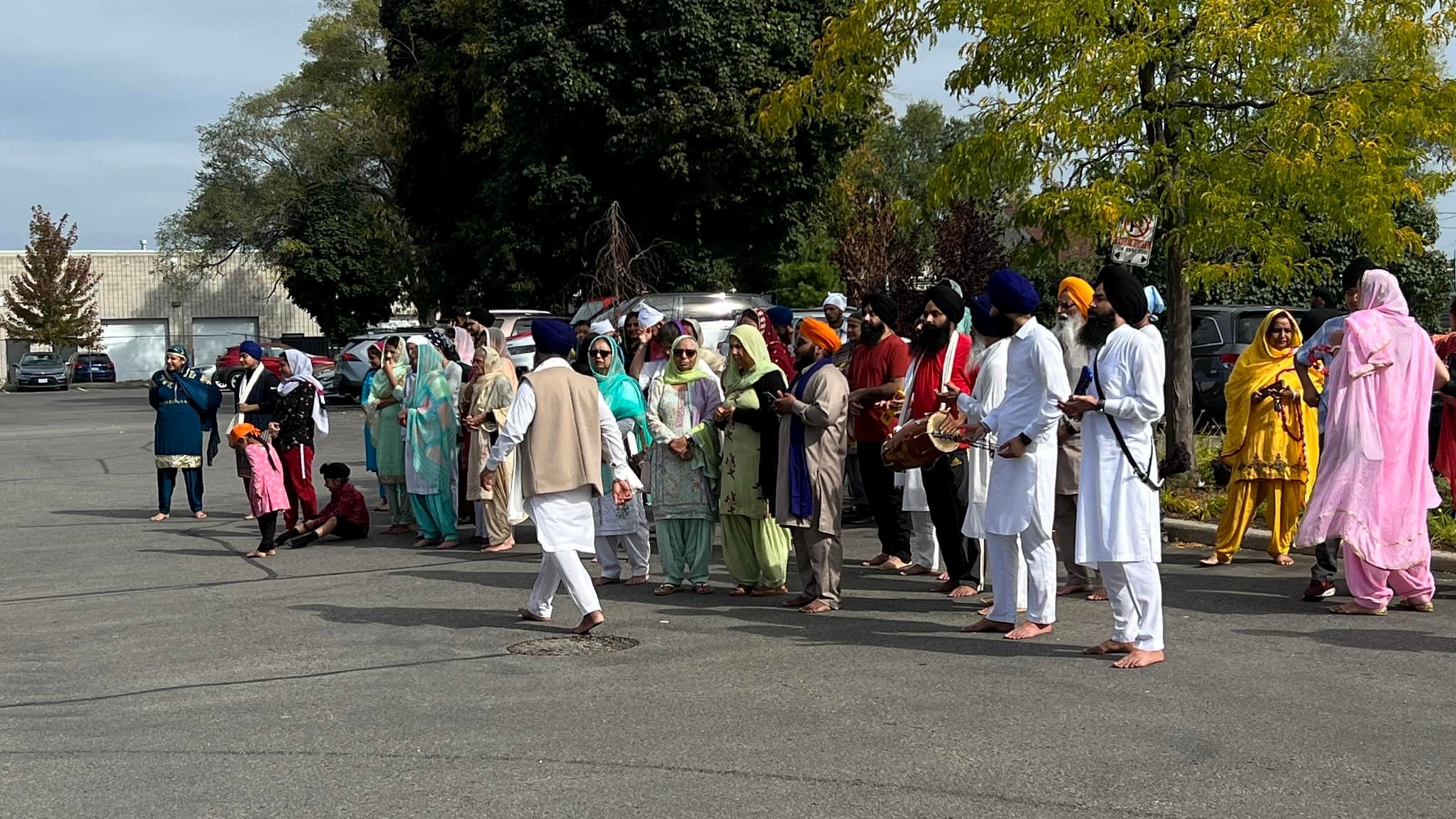
Canada’s response expelling the six diplomats is both pragmatic and symbolic. Legally, prosecuting them would be fraught with complications due to diplomatic immunity. But the expulsion sends a clear message: the safety of Canadian citizens and the integrity of Canadian law are not negotiable, even when confronted with the heavy machinery of a powerful foreign state. Prime Minister Justin Trudeau’s statement underlines a delicate balancing act: confronting serious security threats while avoiding a full-blown diplomatic confrontation.
India’s immediate dismissal of the allegations as “preposterous” is predictable, yet the breadth of investigation from the killing of Hardeep Singh Nijjar to shootings on Vancouver Island makes it impossible to ignore. The involvement of organized crime networks, coerced informants, and coordinated surveillance suggests a level of premeditation that is far beyond routine intelligence gathering.
For the South Asian community in Canada, particularly Sikhs, these revelations are a reminder of a long history of intimidation, now transplanted across borders. It is a chilling scenario: that the tentacles of domestic political repression could reach into the diaspora, turning the very communities that should feel safe in Canada into targets of foreign operations.
Ultimately, this situation underscores a critical question for global diplomacy: what happens when embassies, institutions meant to represent nations abroad, become instruments of coercion and violence? Canada’s action sets an important precedent. Democratic nations cannot remain passive when foreign governments allegedly weaponize their diplomats to commit crimes on domestic soil. Trust, once broken, is not easily restored but accountability, transparency, and vigilance are the first steps toward protecting both citizens and the principles of international law.
The coming months will test Canada’s ability to navigate this tense standoff with India while safeguarding public safety. But one thing is clear: diplomacy should never be a cover for terror. And when it is, it demands the firmest response.