The federal carbon price has become more than a climate policy it’s a political lightning rod. Thursday’s updated analysis from the Parliamentary Budget Officer (PBO) should have been a moment to clear the air. Instead, it’s likely to fuel the same tired arguments.
Here’s what the new report actually says: most households still get more in direct rebates than they pay at the pump or on their heating bills. That hasn’t changed. What has changed is the math around broader economic effects things like reduced investment and lower profits in energy-intensive industries. When those factors are included, the average family comes out slightly behind, though the hit is smaller than earlier estimates. In Ontario, for example, the projected economic loss per household drops from $1,820 to $903. Saskatchewan households are expected to net $1,205 more in rebates than they pay in carbon charges, up from $699.
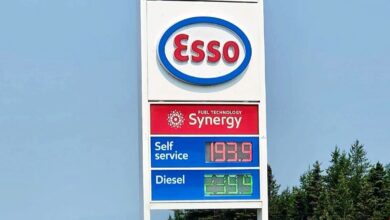
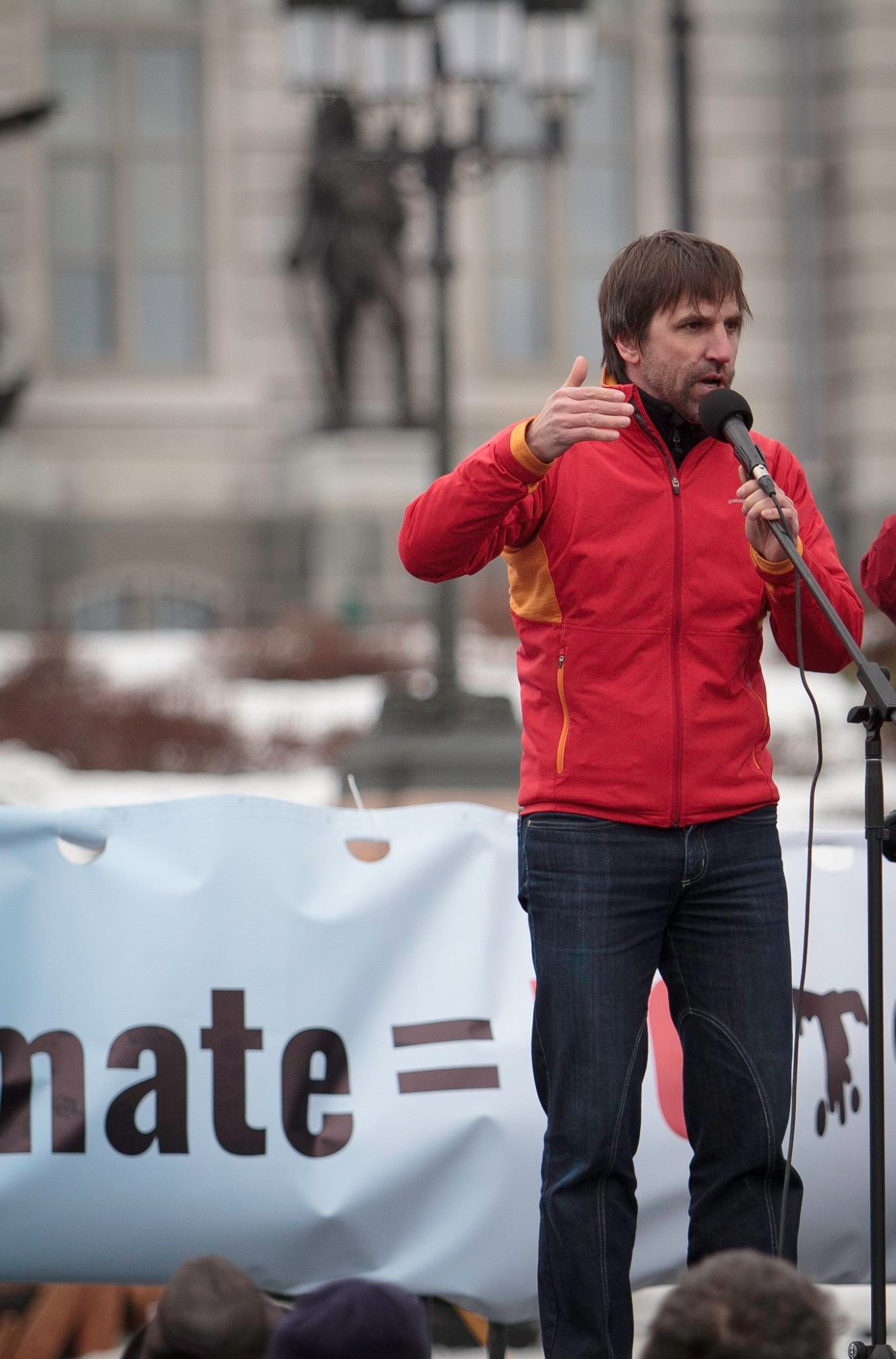
These aren’t minor adjustments; they show a clearer, more nuanced picture. Yet the political reactions were entirely predictable. Environment Minister Steven Guilbeault highlighted the rebate numbers to claim victory. Conservatives called the policy “impoverishing.” Both sides are cherry-picking.
What neither camp likes to emphasize is the bigger context. The PBO’s work doesn’t measure the costs of climate change itself flooded basements, scorched forests, collapsing infrastructure or the long-term economic benefits of cutting emissions. That’s not the office’s mandate. But ignoring those realities when crafting policy is like calculating the price of insurance without considering the risk of a fire.
The update also underscores something else: the industrial carbon price is far more efficient at cutting emissions than the consumer levy, reducing 49 megatonnes of greenhouse gases for a fraction of the economic drag. That’s the sort of detail serious policymakers should seize on if they genuinely want effective, affordable climate action.
Instead, we get slogans and scare tactics. Conservatives promise to “axe the tax” as though eliminating the consumer levy will magically make climate threats disappear. Liberals, for their part, too often lean on rebates as proof the policy is painless, sidestepping the economic ripple effects.
Canada needs a carbon strategy grounded in evidence, not political theatre. Thursday’s report makes one thing plain: carbon pricing works, especially on big polluters, and the consumer side isn’t the budget-buster opponents claim. The debate should be about refining and improving the policy not torching it for partisan gain.