Canadian Travel to the U.S. Edges Back Up, But Analysts Urge Caution Over “Base-Year Effect”
Manjit Sing
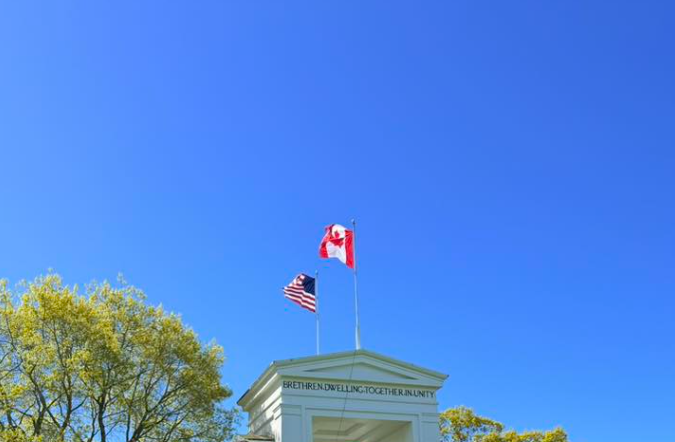
For the first time in months, the numbers are pointing in a different direction but whether that signals a genuine thaw in Canada-U.S. travel relations remains an open question.
Statistics Canada reported Monday that Canadian residents made approximately 1.8 million return trips from the United States in April 2026, representing a modest year-over-year uptick of 1.4 per cent the first such increase since December 2024. The figure is part of a broader picture: total international return trips by Canadians reached 3.2 million that month, up three per cent from April 2025.
The breakdown tells an interesting story about how Canadians are choosing to cross the border. Road travel led the recovery, with automobile return trips from the U.S. climbing 5.8 per cent compared to the same period last year. Air travel told a different tale flights back from the U.S. fell 8.1 per cent over the same stretch, suggesting that while some Canadians are comfortable making the drive south, fewer are booking flights.
Meanwhile, travel to destinations beyond the U.S. continued to grow at a faster pace. Canadians returned from 1.3 million overseas trips in April, marking a 5.3 per cent year-over-year increase outpacing the U.S. rebound by a significant margin.
Before the slight uptick is read as a sign that Canadians are warming up to their southern neighbours again, statisticians are urging restraint. The agency flagged what it calls a “base-year effect” April 2025 was an unusually quiet month for cross-border travel, making even a small increase look comparatively strong on paper.
The broader trajectory has been unmistakably downward. January 2026 saw a dramatic 22 per cent year-over-year drop in Canadians returning from U.S. trips, followed by a 12.5 per cent decline in February. The April figures, while technically positive, come after a prolonged stretch of suppressed demand rooted in political friction rather than practical barriers.
Trade tensions and pointed rhetoric from Washington have had a measurable effect on how Canadians think about heading south. When U.S. President Donald Trump repeatedly floated the idea of Canada becoming the “51st state” and suggested all tariffs could disappear if it did the response among Canadians was anything but welcoming.
Polling commissioned by Global News through Ipsos in 2025 captured a marked souring of sentiment toward the U.S. among Canadian respondents. That mood translated into behaviour: a Flight Centre Canada survey conducted near the end of 2025 found that roughly two in three Canadians said they were less inclined to visit the U.S. in 2026 than they had been the year before.
Statistics Canada itself noted that the political climate between the two countries has been reshaping Canadian travel habits since the start of 2025.
One broader indicator offered a more optimistic reading. April 2026 marked the first month since January 2025 in which total year-over-year international arrivals into Canada increased a category that includes returning Canadian residents as well as visitors arriving from the U.S. and overseas destinations. It is a signal, however tentative, that cross-border movement may be stabilizing after a turbulent stretch.
Whether April’s modest rebound in U.S.-bound travel holds or proves to be a statistical blip shaped by an unusually low comparison point will likely become clearer in the months ahead particularly as trade negotiations and diplomatic relations between Ottawa and Washington continue to evolve.