Canada’s Senate Faces Growing Crisis as Appointment Process Stalls Under Carney Government
Syed Azam
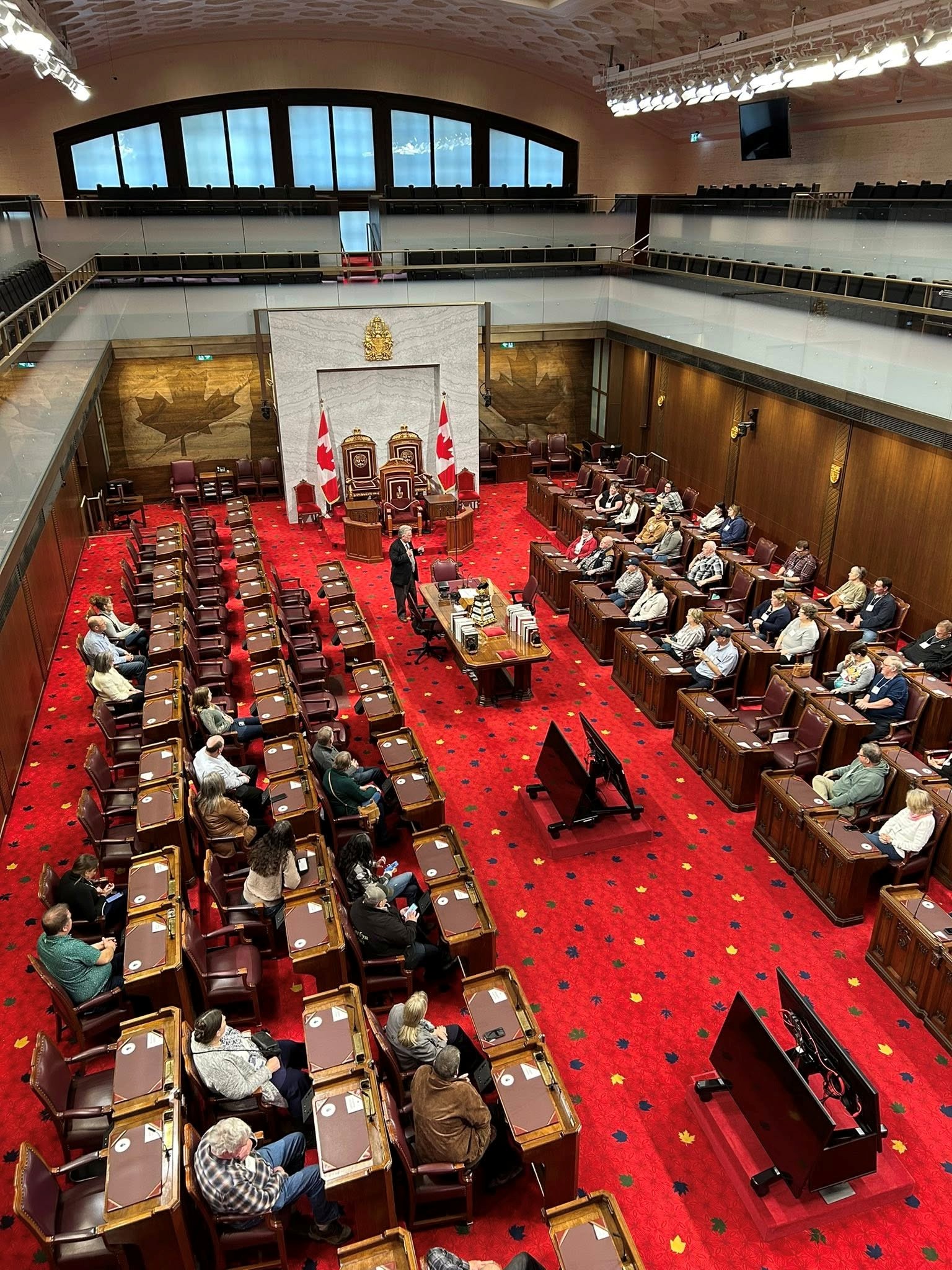
Nine vacant seats and counting that’s the state of Canada’s upper chamber today, and senators are increasingly alarmed by what they see as a quiet but consequential dismantling of the independent appointment process that has shaped the Senate for nearly a decade.
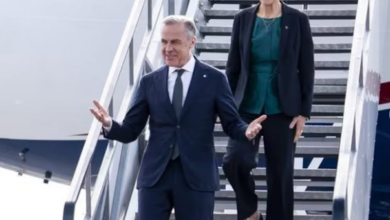
Prime Minister Mark Carney has not appointed a single senator since taking office last spring, leaving nine seats unfilled with six more expected to open by the end of 2026 as sitting senators reach retirement age. Making matters more uncertain, the federal government has yet to publicly explain how it intends to fill those seats going forward.
The Independent Advisory Board for Senate Appointments the arm’s-length body created in 2016 to recommend merit-based candidates to the prime minister currently has 24 vacancies of its own. Its public application portal, once the primary avenue for Canadians to put their names forward for Senate consideration, is no longer accepting new submissions.
For some senators, the silence from Ottawa is telling enough.
“This is the end of senators being appointed through what is largely a community-driven selection process at arm’s length from the patronage of the Prime Minister’s Office,” said Non-affiliated Senator Marilou McPhedran. “It’s going to go back to cronyism.”
McPhedran, who is set to retire from the Senate this summer, did not mince words in her assessment of the direction she believes things are heading. She argued that patronage appointments are simply more efficient for a government that wants to govern quickly and that Carney, in her view, values efficiency above most other things. The advisory board, she said, has already been effectively “dismantled” in all but name.
“It’s not functional with the number of vacancies that have been allowed,” she said, “and it’s obviously not functional if the one and only mechanism for people who want to serve as independent senators to apply is dismantled too.”
Despite repeated inquiries from The Canadian Press dating back to last May, the federal government has refused to directly address how future Senate appointments will be made. Pierre Cuguen, a spokesperson for the Privy Council Office, offered only a vague assurance in April that information would be made available “in due course.”
Independent Senator Bernadette Clement echoed the concern, framing the vacancies as a practical problem with real consequences for the quality of debate and representation inside the chamber.
“When we don’t have a full roster or as close to a full roster as possible, I always feel like we have fewer perspectives from the region, the province that they represent,” Clement said. She added that she was particularly worried about the impact on racial representation in the Senate a concern she said she could already feel, especially during committee work.
Clement acknowledged that senators themselves are left guessing about the government’s plans. “We are waiting to understand how that’s going to happen in the future, especially with the mounting number of vacancies,” she said. With Parliament consumed by economic and affordability debates, she said, questions about institutional process often slip down the priority list even when their long-term stakes are high.
McPhedran, for her part, is thinking about what comes next not just for the Senate, but for Canadian democracy more broadly.
“My fear is about what’s going to show up three to five years from now as a result of what’s being done now in the Parliament of Canada,” she said. “I don’t see any serious attention being paid to the risks to our democracy.”
Whether the Carney government ultimately returns to a patronage model or finds a new path forward, one thing is becoming difficult to dispute: a shift is already underway and it is happening quietly.