The federal government’s expert advisory panel is pushing for Canada’s upcoming online harms legislation to cast a wider net one that could pull AI chatbots into its regulatory reach for the first time.
Three of the eleven panelists tasked with shaping the bill have come out in favour of bringing AI chatbots under the legislation’s umbrella. The recommendation signals a significant shift in how lawmakers might approach digital safety, as conversational AI tools become an increasingly common presence in the daily lives of Canadians including children.
The advisory group, reconvened by the government in March after an earlier version of the bill died on the order paper ahead of last year’s federal election, is now grappling with two issues that have rapidly climbed the global policy agenda: the safety risks posed by AI-based chatbots, and the question of whether children should be barred from accessing social media platforms altogether.
Opinion within the panel on social media age restrictions remains divided, reflecting a broader debate playing out in legislatures around the world. Countries including Australia and the United Kingdom have already moved to restrict minors’ access to certain platforms, and pressure is mounting on Ottawa to follow suit.
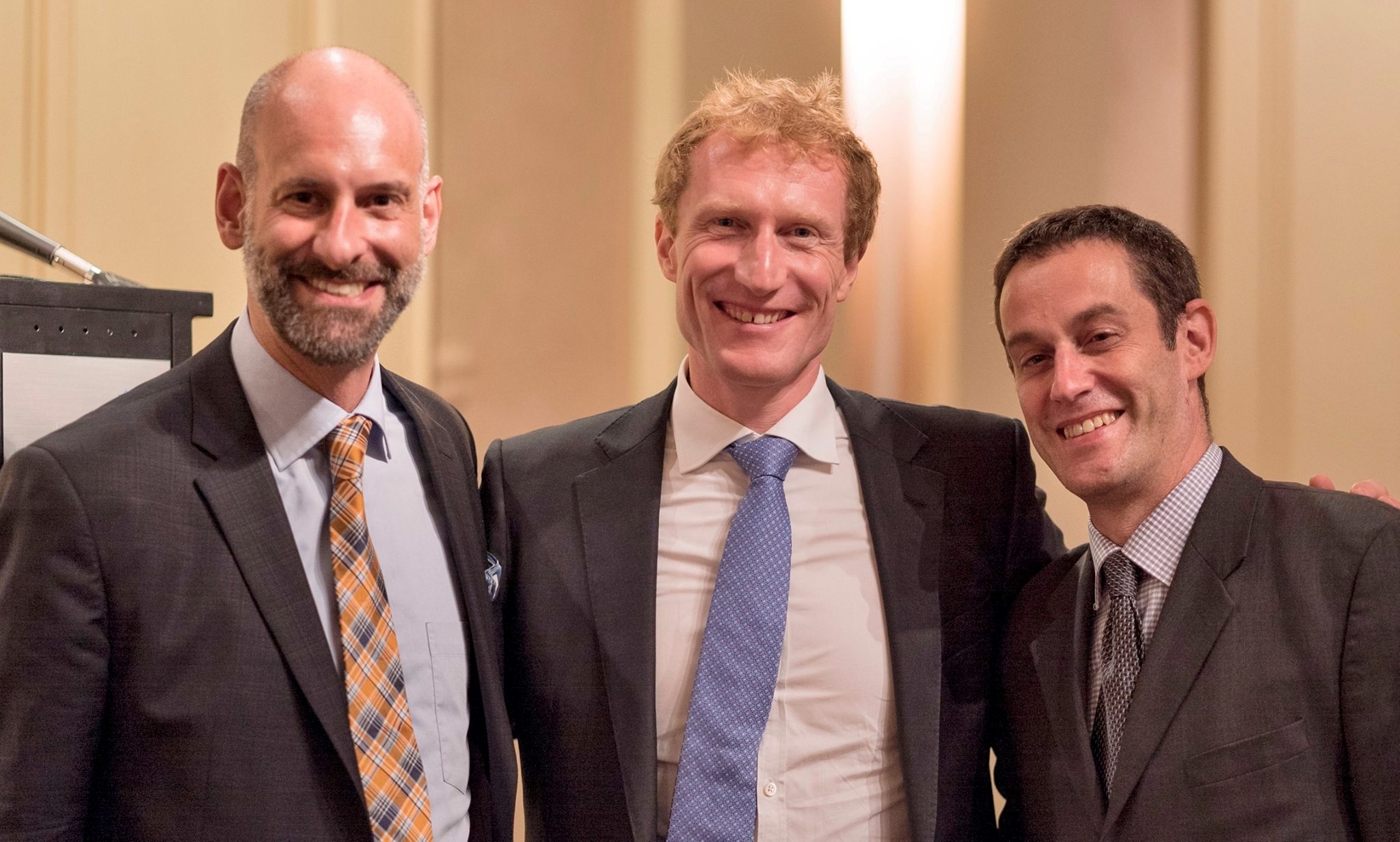
Culture Minister Marc Miller suggested last week that the government is weighing the option seriously. “We are very seriously considering” a social media ban for younger users, Miller said, adding that the expert panel would be left to determine whether AI chatbots belong within the bill’s scope.
That delegation of judgment to the panel underscores just how quickly the digital landscape has evolved since the legislation was first drafted. When the original bill was being developed, large language model chatbots had not yet become the mainstream consumer products they are today. Experts now argue the law risks becoming outdated before it even passes if it fails to account for the harms these tools can pose.
The government has not confirmed a timeline for tabling the new legislation, but the reconvening of the advisory group suggests work is actively underway. How broadly the final bill is drawn and whether it ultimately reaches beyond social media into the fast-moving world of artificial intelligence may depend largely on what this panel recommends.