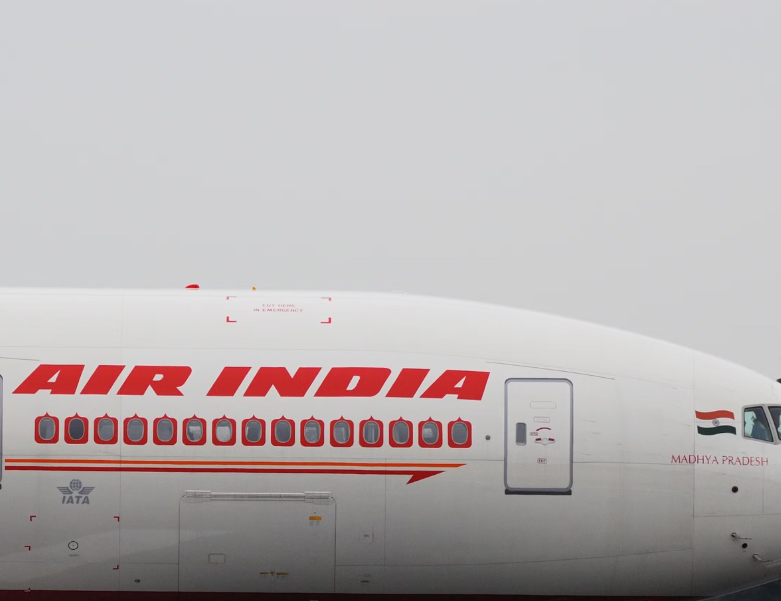
The recent incident involving an Air India pilot being removed from a Vancouver–Delhi flight before takeoff is more than just an unfortunate delay it is a stark reminder of how fragile public trust in aviation safety can be.
According to reports, Transport Canada has asked Air India to investigate the matter after the pilot was deemed unfit for duty at Vancouver International Airport on December 23. The RCMP reportedly conducted two breathalyzer tests before the pilot was removed, and later confirmed that a pilot was arrested following a “report of concern” involving an airline crew member. While authorities did not officially name the airline, Air India acknowledged that one of its pilots was taken off flying duties pending an internal inquiry.
From a passenger’s perspective, this incident is deeply unsettling. Air travel relies almost entirely on trust trust that the people in the cockpit are physically, mentally, and professionally fit to carry hundreds of lives across continents. A Boeing 777, the aircraft reportedly involved, can carry more than 340 passengers. That’s not just a plane full of people; it’s hundreds of families, responsibilities, and futures placed in the hands of two pilots.
Air India’s statement emphasized a “zero-tolerance policy” toward violations of rules and regulations, and bringing in an alternate pilot ensured the flight eventually departed safely. That response is commendable, but it also raises uncomfortable questions. How close did this situation come to becoming something far worse? And how did a pilot in such a condition make it to the aircraft in the first place?
To be clear, the system worked at a critical moment. The concern was reported, authorities intervened, and the pilot was removed before the aircraft left the ground. Vancouver Airport, the RCMP, and the airline all played a role in preventing potential disaster. For that, they deserve credit.
However, aviation safety should not depend on last-minute interventions. Preventive checks, strong internal monitoring, and a culture where colleagues feel empowered to speak up without fear are essential. Zero tolerance should not only apply after an incident occurs it must be embedded long before a pilot reaches the cockpit.
For Air India, already working to rebuild its global image during a period of transformation, this incident is a serious reputational test. Transparency in the investigation and accountability in its outcome will matter just as much as the final findings.
For passengers, the takeaway is sobering but necessary: vigilance saves lives. This incident serves as a reminder that safety in aviation is not just about machines and technology it’s about human judgment, responsibility, and the courage to act when something feels wrong.