Canada at the Table: Why Mark Carney’s Trip to France Matters for Ukraine and the World
Sathia Kumar
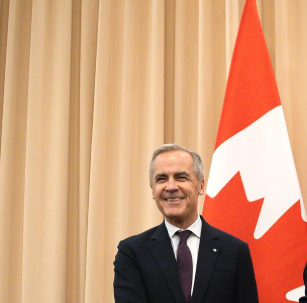
When Prime Minister Mark Carney travels to France to represent Canada in the latest round of peace negotiations on Russia’s war in Ukraine, it may look like another routine diplomatic engagement. It is not. This trip signals something deeper: Canada’s determination to remain a serious, principled actor in shaping the outcome of one of the most consequential conflicts of our time.
The meetings in France bring together leaders of the so-called Coalition of the Willing, a 35-nation bloc committed to supporting Ukraine against Russia’s invasion. The stated aim is ambitious to accelerate efforts toward a negotiated peace backed by strong security guarantees. Those phrasing matters. It suggests a clear understanding among Canada and its allies that peace, without credible deterrence and long-term protection for Ukraine, would be fragile at best and dangerous at worst.
Carney’s language reflects this realism. His emphasis on deterrence, fortification, and rebuilding is not rhetorical flourish; it is a recognition of the hard lessons of history. Wars do not truly end when guns fall silent, they end when the conditions that caused them are addressed. In Ukraine’s case, that means ensuring Russia cannot simply regroup and strike again, while also giving Ukrainians the economic and political foundations to recover and thrive.
Canada’s role here deserves closer attention. As a middle power, Canada cannot dictate outcomes alone, but it can influence them by aligning moral clarity with diplomatic credibility. By joining European leaders and NATO Secretary-General Mark Rutte in these discussions, Canada reinforces the idea that Ukraine’s future is not a regional concern it is a global one. If borders can be redrawn by force in Europe without lasting consequences, no country can feel secure.
The timing of these talks also underscores the complexity of the moment. While U.S.-led peace efforts continue, Moscow and Kyiv remain locked in mutual accusations, including disputed claims of drone attacks near President Vladimir Putin’s residence. This contrast quiet diplomacy on one hand, loud confrontation on the other captures the tension of the current phase of the war. Negotiations are necessary, but they are unfolding in an environment where trust is scarce and propaganda is abundant.
Some critics will argue that peace talks risk legitimizing Russian aggression or freezing the conflict on unfair terms. That concern is valid, and it is precisely why Canada’s insistence on “robust security guarantees” is so important. A rushed or hollow agreement would reward force and punish resistance. A durable peace, by contrast, would send the opposite message: that sovereignty matters, and aggression carries lasting costs.
There is also a domestic dimension to Carney’s trip. Canadians have supported Ukraine politically, militarily, and financially since the invasion began. By showing up at the negotiating table, Canada honors that commitment and ensures its voice is heard when decisions are made about Europe’s future security architecture. This is not charity; it is enlightened self-interest in a stable, rules-based international order.
Ultimately, Carney’s presence in France is less about symbolism and more about responsibility. Peace in Ukraine will not come easily, and it will not come cheaply. But disengagement would be far more costly. Canada’s choice to remain actively involved alongside European partners and NATO signals that it understands what is at stake.
In a world increasingly shaped by power politics, Canada’s message is clear peace must be negotiated, but it must also be protected. Anything less would only postpone the next war.