Toronto has a garbage problem, and we’ve been kicking this can down the road for far too long. The City of Toronto admits we’re on track to run out of landfill space by 2035. That’s barely more than a decade away, yet our “long-term waste plan,” approved in 2016, still feels more like a set of guidelines than a concrete strategy.
Atif Durrani, the acting project director responsible for managing Toronto’s residual waste, summed it up in perhaps the least reassuring way possible: “Yeah, stay tuned.” Translation? We don’t have a solution yet.
The reality is grim. Our waste habits have gotten worse, not better. According to Calvin Lakhan of York University’s Circular Innovation Hub, the amount of waste generated per person has increased significantly over time. Think about that: with all our talk about sustainability, recycling, and reducing waste, we’re actually producing more garbage than ever.
Last year alone, Toronto handled over 725,000 tonnes of residential waste. Even with our recycling and green bin programs, more than 351,000 tonnes still ended up at the Green Lane Landfill Toronto’s sole landfill for residential waste since 2011. Picture one-third of the Rogers Centre filled to the brim with trash. That’s what we buried in a single year.
And Green Lane is reaching its limit.
Building a new landfill? Practically impossible. Provincial laws require a full environmental assessment and approval not only from the host municipality but also nearby municipalities within 3.5 km. As Durrani bluntly points out, “That’s kind of almost put a freeze on any new landfill development in the province.” NIMBYism Not In My Backyard has never been stronger.
Local residents around Green Lane feel the daily impact. Mary Wolfs of Southwold, Ont., describes the smell as “putrid,” especially when the wind shifts. Who can blame her for opposing any expansion? No one wants their home to become synonymous with the scent of decay.
But here’s the uncomfortable truth: Toronto is not alone. As Emily Alfred from the Toronto Environmental Alliance says, every Ontario municipality is staring down the same crisis. The Ministry of the Environment warns that our provincial landfills will be full within the next decade. Think about that: an entire province approaching the end of its waste capacity.
And while we ship about 40% of Ontario’s waste to the U.S., that safety valve may not remain open much longer. With rising political tensions and stricter border policies, relying on America to take our garbage is a dangerous gamble.
So what’s the city doing? Making calls. Asking around like a teenager trying to borrow a friend’s basement. Looking for another municipality willing to sell its landfill space. Considering waste-to-energy incineration a controversial option that environmentalists rightly worry about.
But none of these are real solutions. They’re Band-Aids.
The problem is us. Our habits. Our consumption. Our inability to treat waste reduction as a real priority.
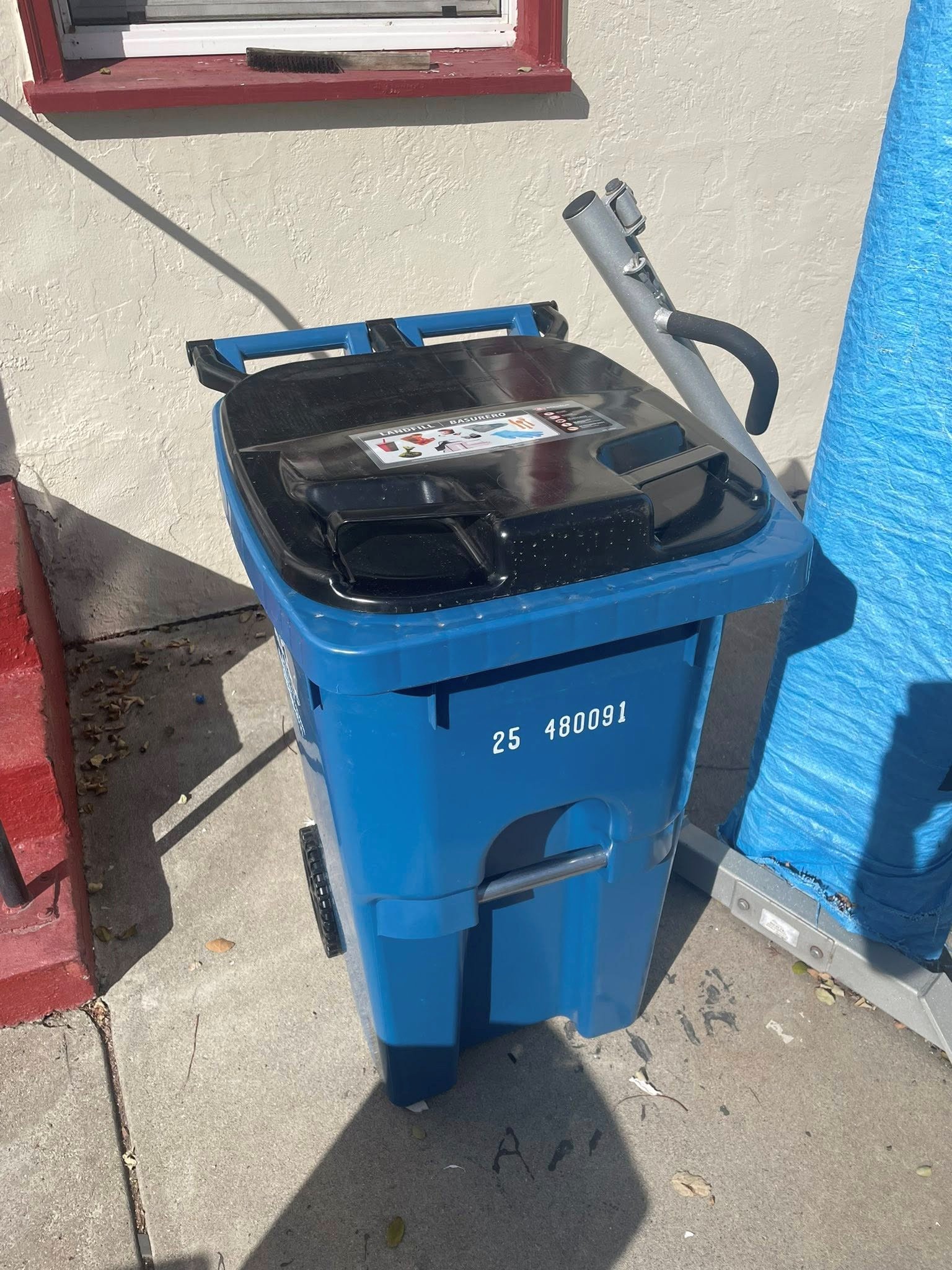
Durrani says the city needs to improve diversion rates more waste going into blue bins and green bins instead of the garbage can. He’s right. But that alone won’t save us without a serious cultural shift.
We need stronger policies, better enforcement, robust recycling infrastructure, and programs that make it truly inconvenient to throw things away mindlessly. We’re running out of space, options, and time.
Toronto’s trash crisis isn’t coming. It’s already here. And unless we change course quickly, the next generation will inherit a city drowning in its own waste.