How Did Canadian Rifles End Up in Russian Hands? Ottawa Must Get Serious About Sanctions Enforcement
Arshad Khan
By any reasonable measure, the revelation that Canadian-made rifles have surfaced in the hands of Russian snipers is deeply troubling and not just because it exposes a glaring loophole in our export control system. It also raises uncomfortable questions about how seriously Canada is enforcing its own sanctions and how much oversight truly exists once our weapons leave domestic soil.
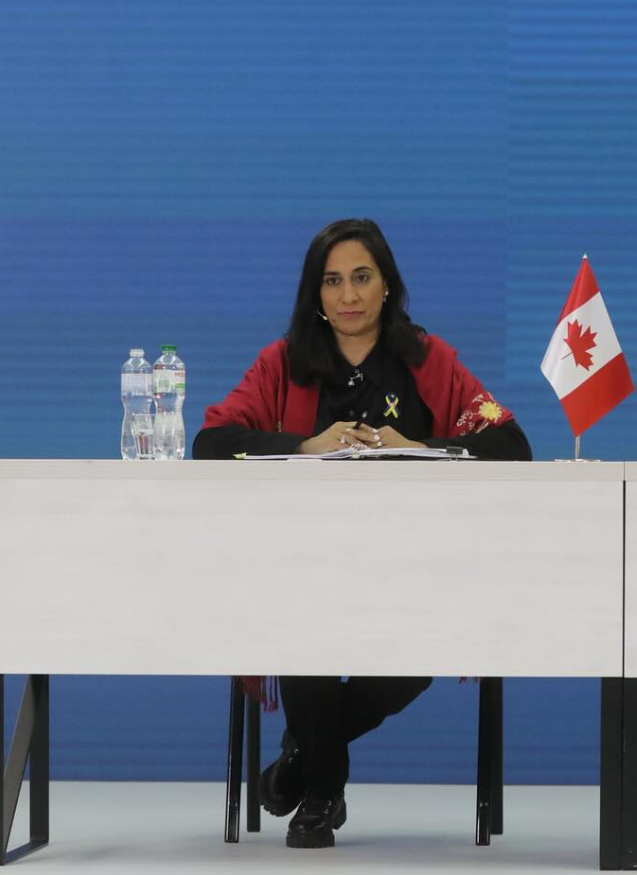
Foreign Affairs Minister Anita Anand’s response that her department is “looking into” the matter is a start, but it feels too familiar. Time and again, Ottawa pledges to take sanctions violations “very seriously,” yet evidence keeps emerging that Canadian technology and equipment are being used to fuel Vladimir Putin’s war machine.
This latest case involves Quebec-based Cadex Defence, a respected manufacturer known for producing high-precision sniper rifles. The company insists it has never exported weapons directly to Russia, and that its exports comply fully with Canadian law. Cadex even traced a batch of rifles the same ones that appeared in Russian customs documents back to a shipment sent to the United States. Once the company learned of the possible diversion, it reportedly cut ties with the American buyer.
That’s responsible corporate behavior. But the bigger issue lies beyond Cadex’s control. Once Canadian-made weapons enter the global marketplace, the trail grows murky. Third-party transfers, re-exports, and “transit countries” have become convenient channels for evading sanctions. Russia has exploited these gray zones masterfully, using intermediaries in friendly or neutral countries to acquire everything from Western electronics to precision optics and now, apparently, sniper rifles.
A senior government source confirmed that Canada has issued only one export permit to Russia since 2013 and that was for a rifle stock, not a firearm. That fact only deepens the mystery: if no legal channels exist, how are Canadian guns ending up in Russian hands? Either they were captured from Ukrainian forces which, while possible, doesn’t explain the “brand new” rifles still bearing tags or they were smuggled through an American or third-country intermediary.
Ukraine’s ambassador to Canada, Andrii Plakhotniuk, rightly called for a thorough investigation, emphasizing the need for tighter end-user controls. He’s absolutely right. Sanctions are only as effective as the enforcement mechanisms that back them up. If Canadian weapons or technology continue to leak into Russia, it undermines not only our foreign policy credibility but also our moral stance against Putin’s aggression.
Opposition politicians, too, have seized on the story. Conservative MP Michael Chong accused the government of allowing a pattern of failures from detonators in Russian landmines to turbines for Russian pipelines that collectively weaken Canada’s sanctions regime. The NDP called the situation “deplorable” and urged the government to stop turning a blind eye to how “transit countries” are being used to circumvent the rules.
In fairness, no sanctions system is airtight. Smugglers, shell companies, and opportunistic middlemen will always look for ways to profit from chaos. But Canada can and must do better. Strengthening sanctions enforcement isn’t just about tracking shipments it’s about proactively monitoring end-users, coordinating with allies to close loopholes, and holding intermediaries accountable when they violate export laws.
At the end of the day, this isn’t merely a bureaucratic failure. It’s a moral one. Every time a Canadian-made rifle ends up in the hands of a Russian sniper, it chips away at our commitment to support Ukraine and uphold international law. Words of concern are no longer enough. Ottawa must prove that its promises of “world-class export controls” actually mean something before our own weapons end up being turned against the very people we vowed to defend.