A Beating Step Forward, Canada’s New Heart Transplant Breakthrough Gives Hope to Thousands
Logan D Suza
In a moment that will likely redefine the future of heart transplants in Canada, surgeons at Toronto’s University Health Network (UHN) have achieved something extraordinary they’ve successfully performed the country’s first heart transplant using a donor whose heart had stopped beating.
This isn’t just another medical milestone; it’s a profound shift in how we think about life, death, and the gift of organ donation. Traditionally, heart transplants relied solely on organs from brain-dead donors whose hearts were still pumping. But with this new approach known as donation after circulatory death (DCD) doctors can now recover and revive hearts that had stopped beating once life support was withdrawn.
Dr. Ali Rabi, the cardiac surgeon leading the operation at UHN’s Peter Munk Cardiac Centre, described it simply but powerfully: “Before, we only used hearts from brain-dead donors whose hearts were still beating. Now, we can use hearts that have stopped beating after life support is withdrawn.”
That single sentence captures a monumental leap in medical possibility. It means more lives can be saved, more families can be spared heartbreak, and more patients waiting for a second chance at life can finally get it.
In a country where heart failure remains one of the leading causes of death, this advancement could not come at a better time. As of late 2024, 155 adults and 29 children were still waiting for heart transplants in Canada. Many never make it to the operating room their hope extinguished by the shortage of viable organs.
Now, with the DCD method, experts estimate heart transplants could increase by as much as 30%. Imagine what that means dozens more people given the chance to live longer, fuller lives.
This achievement isn’t just a victory for science; it’s a testament to human compassion. As Dr. Rabi himself acknowledged, none of this would be possible without the generosity of donor families. In the most painful moments imaginable, they choose to give life to others. It’s an act of grace that deserves every bit of recognition.
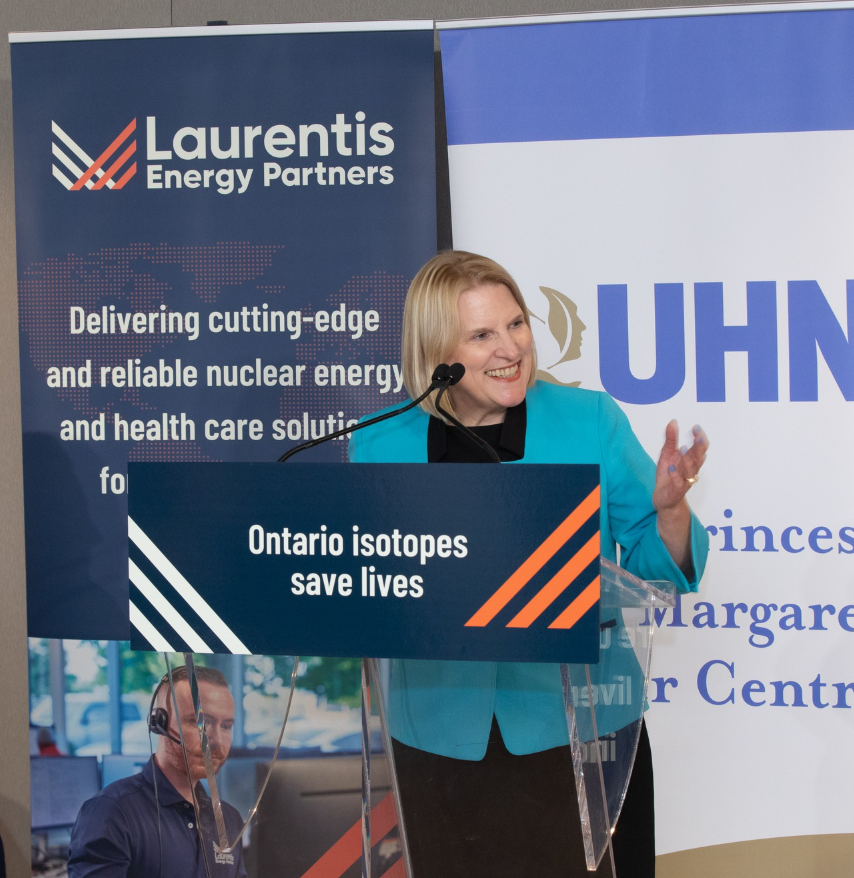
Ontario’s Deputy Premier and Health Minister, Sylvia Jones, called the breakthrough “a historic milestone,” and rightly so. Canada is now joining countries like Australia, the U.K., and the U.S., where this method has already proven safe and effective. Studies even show no difference in long-term survival between recipients of DCD hearts and those from traditional donors.
What’s truly inspiring, though, is what this symbolizes: a future where fewer people die waiting. Where innovation, compassion, and courage intersect to create miracles.
As Dr. Rabi said with quiet awe, “When the heart started beating again in the new patient, it’s amazing. The heart’s natural strength is incredible.”
And maybe that’s the heart of it all the strength not just of the organ itself, but of humanity’s relentless drive to heal, to hope, and to keep life beating on.