Building for Tomorrow: Why Ontario’s Dunlop Street Bridge Replacement Matters
Arafat Rahman
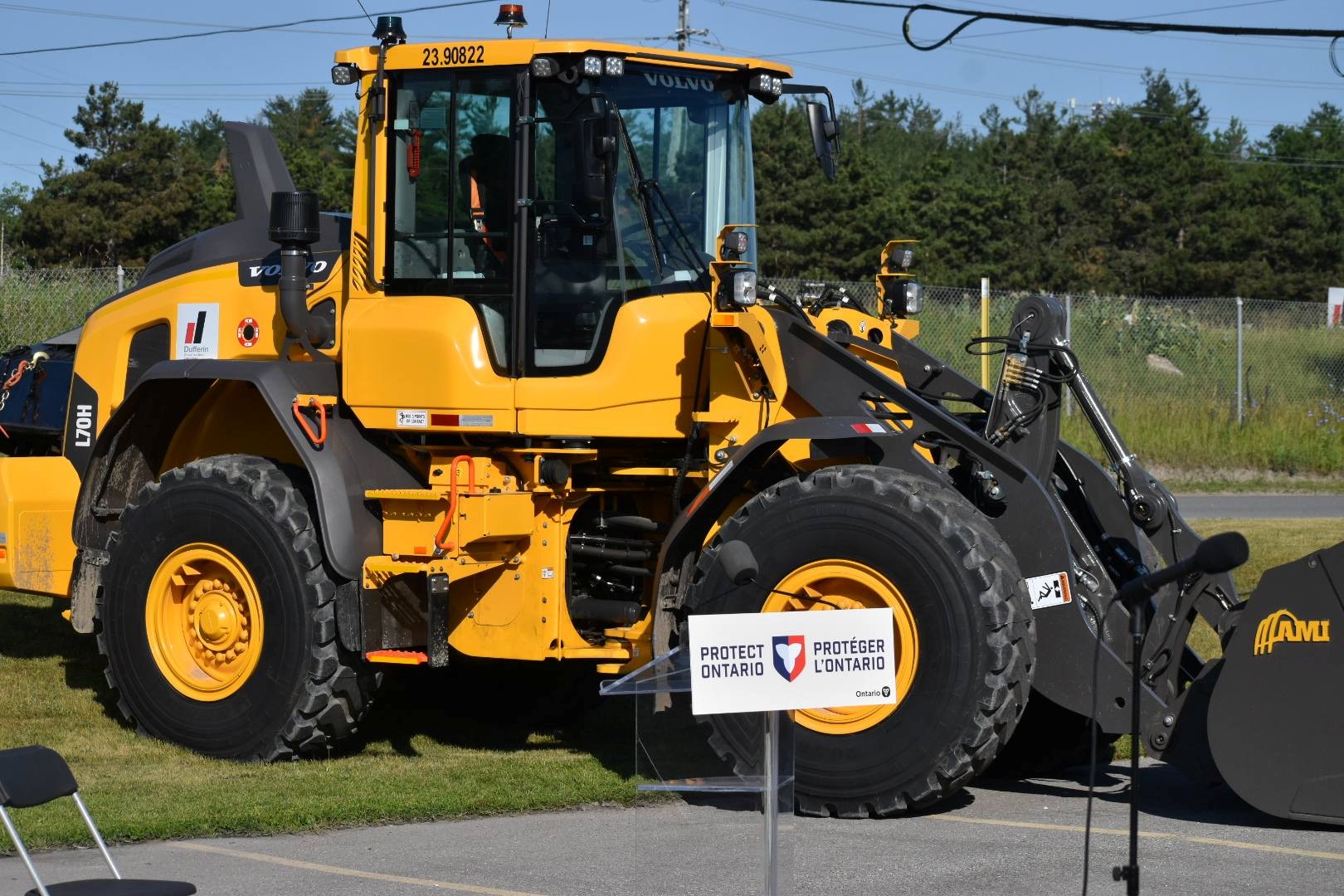
When I first heard that Ontario was set to replace the Dunlop Street bridge over Highway 400 in Barrie, I felt a mix of excitement and relief. Excitement, because infrastructure investments signal progress—new jobs, safer roads, a community ready to grow. Relief, because this project finally acknowledges a long-overlooked pinch point on one of our province’s busiest corridors.
Let’s be honest: anyone who’s driven Highway 400 through Barrie in rush hour knows the Dunlop underpass can feel like a medieval bottleneck. The aging structure isn’t just too low; its cramped lanes and awkward ramps pose safety risks and snarl traffic for miles. By demolishing the old underpass and installing a taller, wider median barrier, Ontario is laying the groundwork not just for smoother daily commutes, but for the big-picture vision of a 10-lane highway corridor that can handle the demands of tomorrow.
Of course, widening a highway to 10 lanes is a monumental undertaking—and it’s not without controversy. Some will argue that expanding road capacity only invites more cars, fueling sprawl and environmental harm. Yet the counterpoint is equally compelling: when goods need to move between Toronto, Barrie, and points north, a jammed highway is more than an inconvenience—it’s a drag on our regional economy and a carbon cost in idling engines. The bridge replacement itself is expected to create close to 500 construction jobs, breathing life into local businesses and tradespeople at a time when economic momentum is everyone’s goal.

Critics might worry about the upheaval: detours, noise, and the messy business of construction. Those frustrations are real, and they deserve empathy. But as someone who believes in building for the long term, I see the Dunlop Street bridge project as an investment in both safety and opportunity. A new, structurally sound bridge means fewer closures for emergency repairs. Modified interchange ramps streamline traffic flow, reducing collisions and improving the daily commute for thousands of drivers.
Moreover, by planning now for a 10-lane future, Ontario avoids the stop-start approach that plagues so many infrastructure projects. Imagine if we had only widened the highway partway, then paused for another decade while traffic continued to grow—only to face the same debates all over again. Instead, this bridge replacement sends a clear message: we’re committed to a seamless transportation network that supports expanding communities in Simcoe County and beyond.
Sure, big infrastructure plans require constant scrutiny to ensure they serve public needs, respect the environment, and remain fiscally responsible. But there’s something deeply reassuring about watching heavy machinery carve out a safer, more efficient path for our region. The Dunlop Street bridge replacement isn’t just concrete and steel—it’s a tangible sign that Ontario is willing to invest in its future, one bolt and barrier at a time.
In the end, the success of this project will be measured not by the number of lanes painted, but by the lives made easier, the accidents prevented, and the economic opportunities unlocked. If you ask me, Ontario is building more than a bridge—it’s building confidence that when it comes to infrastructure, we can—and should—think big.


![Three smiling women sit on a colorful padded floor, posing with a large sign that reads Canada Child Benefit and its French translation, in a community setting with a pillow saying This Classroom Runs on Kindness nearby.]','Three women pose for a group photo indoors, holding a white board about the Canada Child Benefit and its French equivalent, with colorful circles in the design and a kindness-themed cushion nearby.'] }``` Wait formatting wrong. We must provide proper JSON. Let's craft properly. Provide 5 options. Ensure no stray quotes. Let's produce proper JSON. Use single quotes in descriptions? Must be double quotes. I'll provide array of strings. Ensure no stray characters. Let's do. } For safety. Let's output.} Let's craft final.} Wait earlier included typos. Let's deliver.]]>](https://www.thesouthasiajournal.com/wp-content/uploads/2026/07/12-2-390x220.jpg)