Canada’s Fiscal Future Is in Jeopardy — And We’re Not Seeing the Whole Picture
Taslima Jamal
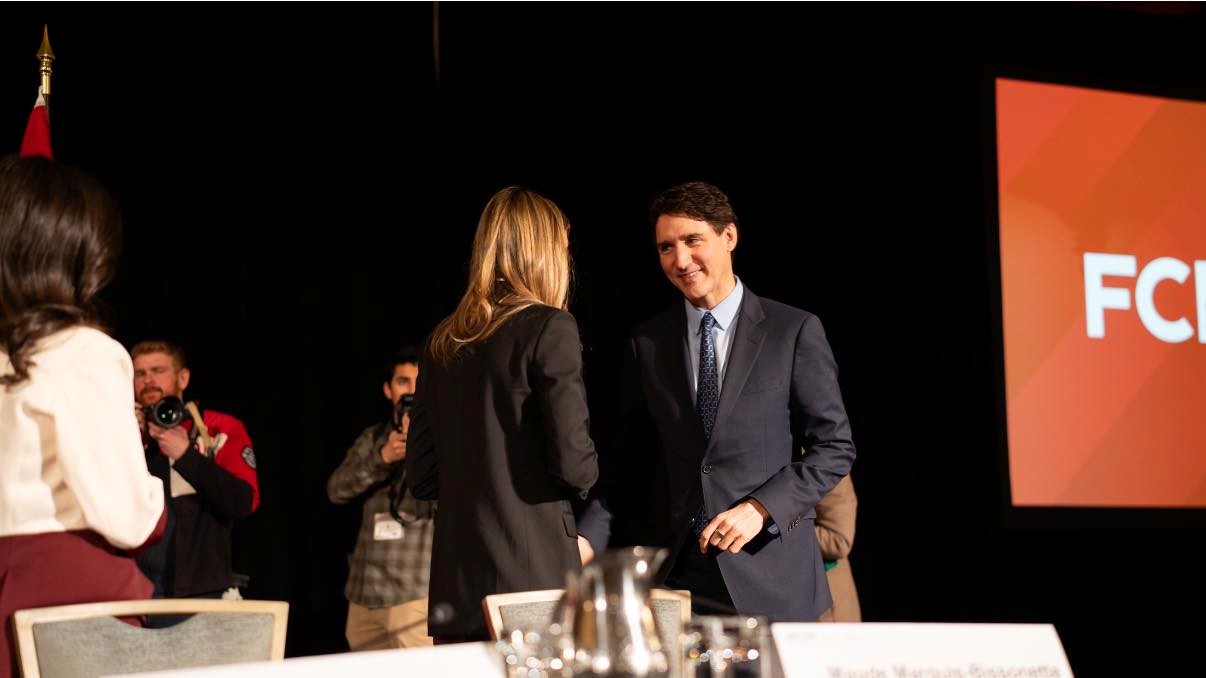
The Trudeau government’s recent fiscal moves represent a significant departure from past restraint — and perhaps, from responsible governance altogether.
According to a sobering new analysis by the C.D. Howe Institute, Ottawa’s ballooning deficit is on track to top $92 billion this year alone, a number far higher than earlier projections. The main driver? A massive boost in defence spending, following Prime Minister Mark Carney’s promise to meet NATO’s target of spending two per cent of GDP on defence. It’s a noble goal on the international stage — but at home, it comes with deep fiscal consequences.
What’s troubling is that this surge in spending doesn’t come with clear transparency. The Liberal government skipped a spring budget and has delayed any major fiscal update until the fall. In the meantime, they’ve introduced costly programs, announced tax cuts, and made infrastructure promises without fully showing their math to the public. Canadians are left guessing how much all of this is really going to cost.
C.D. Howe estimates that even under a relatively “optimistic” outlook — one that assumes speculative new revenue streams and efficiency savings promised in the Liberal election platform — deficits will still average $78 billion a year over the next four years. That’s more than double the projections made by the Parliamentary Budget Officer (PBO) before the election. And if those hopeful savings don’t pan out? We could be looking at annual deficits closer to $86 billion. This is not sustainable.
Even more worrisome is what’s being described as a quiet but potentially dangerous shift in the way Ottawa accounts for its finances. Carney recently proposed splitting the federal budget into capital and operating streams — a move that might sound harmless or even helpful at first glance. But as C.D. Howe warns, without firm, transparent definitions and independent oversight, this split could obscure the real size of government deficits. It opens the door to creative accounting at a time when Canadians deserve the clearest possible picture of their country’s finances.
The government’s approach appears increasingly improvisational. New defence spending alone is projected to add a staggering $68.4 billion to the federal deficit by 2035. Meanwhile, other expensive commitments — like tax cuts and accelerated project development legislation — are moving forward without clear offsets.
There are no easy answers, but there is a need for honest ones. Right now, both the C.D. Howe Institute and the PBO are sounding the alarm. The federal government, in contrast, is offering silence — no spring budget, no detailed deficit breakdown, and no clarity on how it plans to manage future spending.
This lack of transparency isn’t just a political concern; it’s a fundamental issue of democratic accountability. Canadians have the right to know how their money is being spent, and what future burdens they might face. If Ottawa intends to reimagine how it presents its finances, the public must be brought into that conversation, not left in the dark.
If the government is serious about fiscal responsibility, it must do more than offer campaign-style promises. It must publish detailed projections, rein in program spending, and engage in honest dialogue with Canadians about the trade-offs ahead. Otherwise, we risk drifting further into a deficit spiral — one that future generations will be forced to pay for, with interest.