Canada’s Vaccine Injury Support Program Needs Urgent Transparency and Reform
Taslima Jamal
After five months of investigation, Global News sought to speak with officials at the Public Health Agency of Canada (PHAC) about its Vaccine Injury Support Program (VISP). Instead of an interview, the agency opted to provide a lengthy written statement—a choice that speaks volumes.
PHAC’s reluctance to engage in a direct conversation raises a simple but pressing question: What are they trying to avoid?
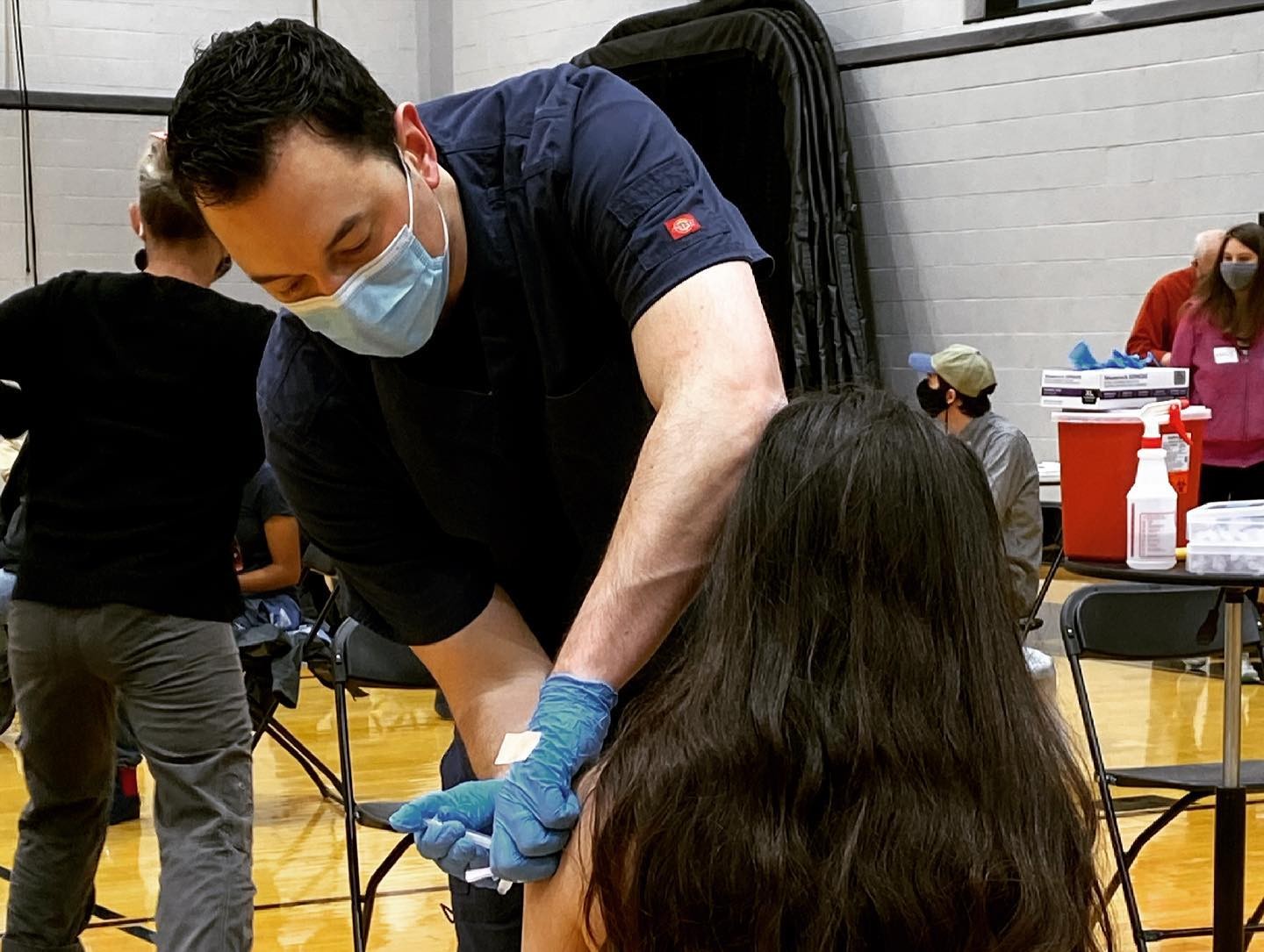
Launched in 2021, the VISP was hailed as a much-needed addition to Canada’s immunization system—an overdue safety net for those who suffered serious and permanent injuries after receiving a Health Canada-authorized vaccine. At first glance, the program appears comprehensive, modelled after Quebec’s 30-year-old initiative and aligned with World Health Organization guidelines. But dig deeper, and troubling issues begin to surface.
Let’s start with the numbers.
According to PHAC, as of December 31, 2024, $50.6 million had been spent under the VISP program. But Global News reports that only $16.9 million of that amount actually reached injured Canadians. That means roughly two-thirds of the budget went toward administrative costs.
This is not just inefficient—it’s insulting.
PHAC justifies the spending by citing a “robust” assessment process conducted by Oxaro Inc., the private firm contracted to administer the program. But what exactly makes this process so costly? The agency claims that every claim undergoes a thorough review, regardless of the outcome. Yet the average claim takes 12 to 18 months, sometimes longer, and the support provided is determined on a “case-by-case” basis.
Here’s what that really means: for most Canadians navigating this system, there’s no clear path forward, no guaranteed timeline, and very little public accountability. That uncertainty can be devastating for individuals dealing with life-altering injuries.
It’s worth noting that Oxaro was not the cheapest bidder—but also not the most expensive. It was chosen based on a “transparent” and “ratings-based” review, yet we are left with no insight into what set their proposal apart. The selection committee included privacy, procurement, and medical experts, but their findings remain confidential. That’s not transparency; that’s bureaucracy cloaked in opacity.
Meanwhile, PHAC maintains that it plays no role in decision-making, doesn’t access personal data, and leaves all determinations to Oxaro’s experts. This hands-off approach might protect PHAC from liability, but it also conveniently distances them from responsibility.
Perhaps most troubling is the program’s built-in silence. Injured Canadians, often left in the dark for over a year while waiting on decisions, must rely on a third-party firm to communicate their eligibility and compensation. There is no formal appeal board, no ombudsman, and certainly no proactive public reporting that holds the program to account.
Let’s be clear: vaccines have saved countless lives and remain a cornerstone of public health. But when a system is built to encourage trust in vaccines, it must also be built to swiftly and fairly support those rare individuals who experience serious harm. Failing them erodes that trust.
The government owes it to every Canadian—not just those injured—to run this program with transparency, compassion, and fiscal responsibility. That means opening the books, shortening timelines, and ensuring that the majority of the budget actually reaches the people it’s intended to help.
Until then, the VISP remains what it shouldn’t be: a closed-door system where too much is spent on administration, and too little on care.