By reclaiming a name, the Saugeen First Nation has reclaimed something far greater: identity, recognition, and justice.
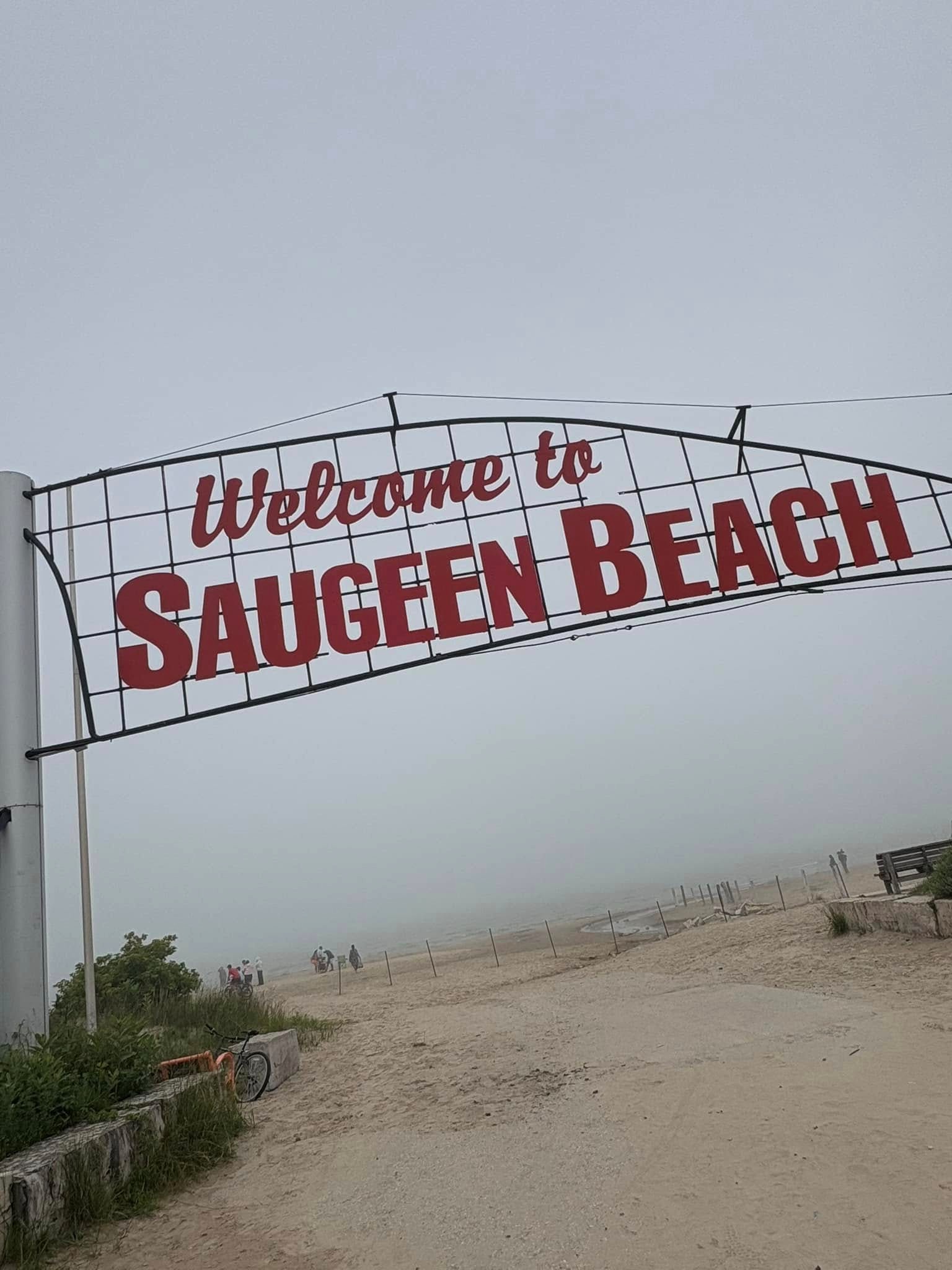
In the early morning hours of Canada Day, while most Canadians were preparing to celebrate, members of the Saugeen First Nation quietly unveiled a new sign at the edge of a popular Ontario beach. “Welcome to Saugeen Beach,” it now reads—replacing the long-standing “Welcome to Sauble Beach.” A small change in wording, perhaps, but one that carries generations of weight, struggle, and significance.
Let’s be clear: this isn’t just about a sign. It’s about restoring a truth that was buried under centuries of colonial bureaucracy and denial. A 2023 court ruling, upheld in 2024, confirmed what the Saugeen First Nation had long known: a 2.2-kilometre stretch of beach had always rightfully belonged to them. The land had been improperly surveyed in 1855 and erroneously taken from the community. In other words, this was stolen land—finally acknowledged, finally returned.
And so, on Canada Day, while most Canadians reflected on national pride and unity, the Saugeen First Nation exercised a quiet, powerful form of sovereignty. They didn’t ask permission. They didn’t make a spectacle. They simply corrected a sign that, for decades, had ignored their presence and rightful ownership.
Predictably, not everyone is pleased. South Bruce Peninsula Mayor Jay Kirkland expressed disappointment that the town wasn’t informed about the change. He called for “open communication.” But that door swings both ways. As Saugeen band councillor Sonya Roote pointed out, the town didn’t exactly rush to open dialogue when the court ruling came down over a year ago. It’s hard to demand collaboration after years of silence.
Some residents and beachgoers have also voiced frustration online, questioning the change and clinging to the name “Sauble Beach” as if a sign defines a place more than its people and history. But discomfort isn’t the same as injustice. In fact, if a new sign unsettles some, perhaps it’s doing its job—challenging people to confront the deeper history of this land and what reconciliation actually looks like.
This is not erasure; it’s restoration.
Saugeen First Nation isn’t trying to exclude anyone. On the contrary, the new sign is part of a broader plan to revitalize the beach, to create opportunities for Indigenous-owned businesses, and to share their culture and story with visitors. It’s a moment of pride, not division.
For too long, reconciliation has been treated like a word instead of a commitment. But here, on the sands of what is now rightly called Saugeen Beach, we see it in action—not just symbolic, but substantive. It’s a start. A correction. A reclaiming.
And it’s something all Canadians should celebrate.