Google Maps’ “State Park” Labeling in Canada: A Simple Mistake or Something More?
Logan D Suza
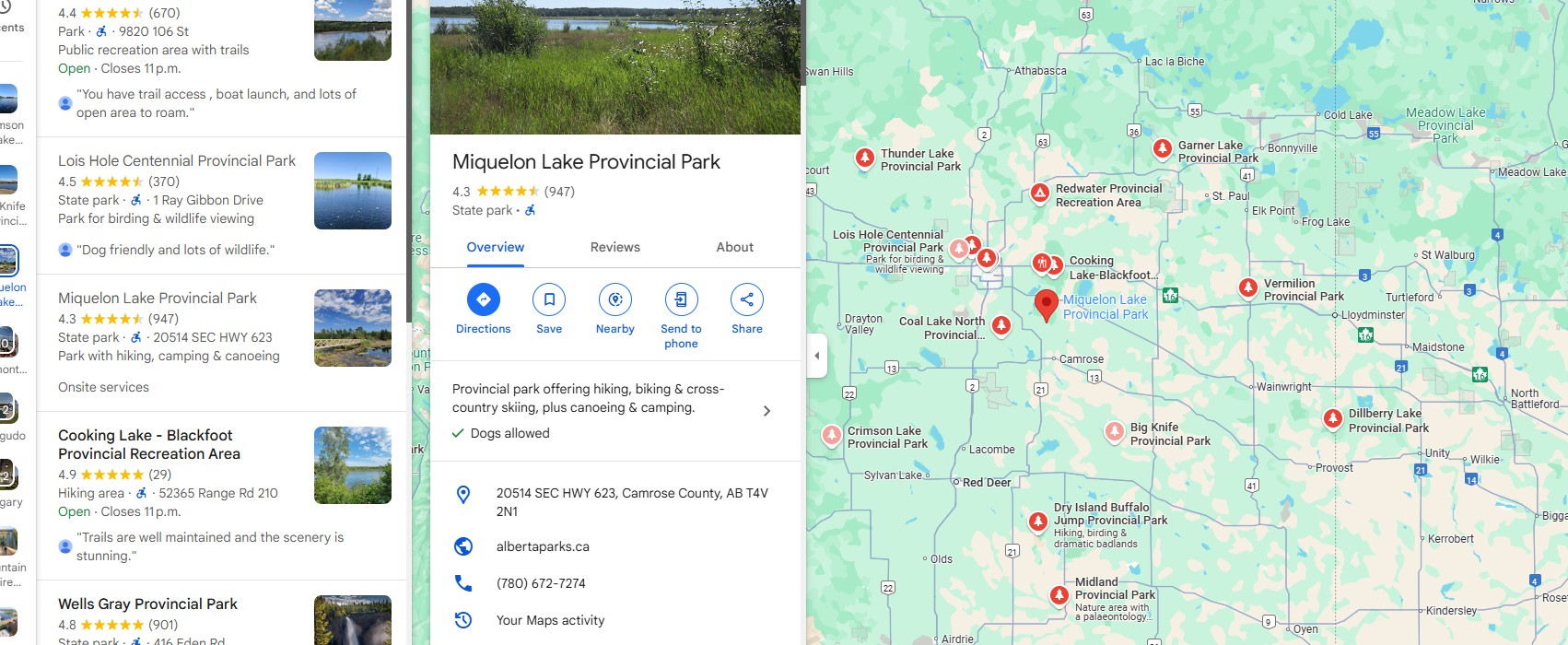
In an era where digital mapping is a daily necessity, even small changes in labeling can cause waves. The recent discovery that Google Maps has been marking Canada’s provincial parks as “state parks” has left many Canadians questioning whether this is an innocent mistake or something more intentional.
At first glance, Google’s explanation seems reasonable—provincial and state parks serve similar functions, and this may simply be a default label in their system. But when you dig deeper, things don’t quite add up. Many Canadians, including TikTok user Samantha Gietema, have pointed out that these parks were correctly labeled just days ago. Now, suddenly, they’re being called “state parks,” and the option to edit them back to “provincial park” has mysteriously vanished. Coincidence? Maybe. But it’s a strange one.
This change might seem minor, but to Canadians, it’s about more than just terminology—it’s about national identity. Words matter, and the difference between “provincial” and “state” is a reflection of Canada’s autonomy. It’s particularly concerning given recent mapping controversies, like Google briefly labeling the Gulf of Mexico as the “Gulf of America.” When changes like this occur without explanation or transparency, people start to wonder if there’s more to the story.
Is Google subtly erasing distinctions between Canada and the U.S.? That might sound like a conspiracy theory, but with geopolitical tensions and talk of border erasure (especially with figures like Trump in the mix), skepticism is understandable. At the very least, this incident shows how much power tech companies have in shaping perceptions of geography and identity—often without oversight or accountability.
If this is simply an internal classification issue, then Google should act quickly to restore the correct labels and provide a clearer explanation. Otherwise, the trust people place in these platforms will continue to erode. Because in Canada, a “provincial park” isn’t just a park—it’s a statement of sovereignty.