
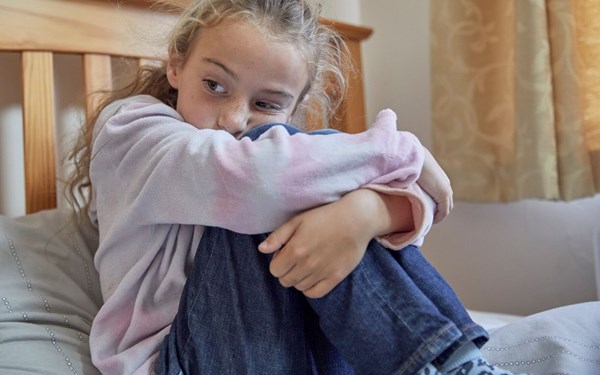
Bullying is a very familiar word. We often wonder if bullying is happening around us? ‘A bullying incident happened in front of me in Toronto’, said one of my neighbors. Newly arrived in Canada. A mother and daughter were waiting for the bus. A local middle-aged woman suddenly poured a whole can of Coke on the head of my neighbor’s schoolgirl while she was getting on the bus. Neither the mother nor the daughter were prepared for this incident. No one protested. They couldn’t. Fear, hesitation, shyness, inertia and many other things worked between them that day. There were many other people at the bus stop that day but the woman didn’t have the courage or desire to pour Coke on anyone’s head. She needed a weak opponent for this task. We newcomer Bengalis are a weak opponent for them. We newcomers are always in conflict. If we only remain in hesitation, then the wall of bullying in society will never be broken. How can we protect our children from bullying?
To raise awareness on the prevention of bullying, a discussion program was held at the BCS office on the Danforth on November 1, 2024. This program on bullying was organized by the Youth Wellness and Education and Alliance Program of BCS. The welcome speaker for the program was Dr. Nasima Akhter, Executive Director of BCS. The discussion was attended by the youth of Youth Wellness and Education and Alliance Program and their parents. In addition, Project Coordinator Dr. Kazi Shafayetul Islam Turyo participated and spoke from BCS. Jannatul Islam also participated from BCS. Then other speakers, especially Kashfia Nahar, Sonali Chowdhury and Youth Wellness leaders discussed various aspects of bullying. Mainly, the impact of bullying on the mental health of youth and its remedies were discussed. They noted that many students are bullied at school but never tell their parents. They also said that bullying has a huge impact on the mental health of immigrants and young people.
October is National Bullying Prevention Month. A month to raise awareness about bullying. The first Monday of October every year is World Bullying Prevention Day. Every year, these special days in October raise global awareness about a specific issue like bullying. Last October 7, 2024, was the 18th annual World Bullying Prevention Day. Organizations like Stomp Out Bullying help spread the word about bullying by sponsoring special events on this day. The 2019 Indicators of School Crime and Safety report said that in 2017, about 20% of students aged 12 to 18 were bullied. Of those aged 12-18 who were bullied while at school, 15% were bullied online. Bullying Prevention Awareness Month educates students about bullying and cyberbullying prevention and runs month-long activities to raise awareness. This is not limited to the month of October, but everyone should continue to work on tackling and preventing bullying every day.
First of all, we need to know what bullying is and then we need to know what the consequences of bullying can be and what strategies can be taken to prevent it. Bullying is a type of aggressive behavior towards a person where there is an imbalance of power. That is, those who bully are more powerful and powerful than the victim. Because of that power, they mentally and physically abuse or bully the weaker opponent. In bullying, there is always some kind of witness. One of the purposes of bullying is to humiliate and make fun of the witnesses.
Every day, someone I or someone you know is being bullied. What are the types of bullying? Bullying can be of various types, such as: 1) Physically hitting or intimidating someone is a type of bullying. 2) Using insulting words or language to verbally hit, humiliate or belittle someone also falls under the scope of bullying. 3) Cyberbullying – Recently, someone is harassed, intimidated or hurt using digital platforms and technology. 8) Damaging someone’s social relationships and reputation can also be included in bullying. The question is, why do incidents like bullying occur in society? One of the main reasons for this is fear or feeling insecure. Often, the targets of attackers are newcomers or young people with cultural, ethnic or language differences. Newcomers have language weaknesses. Those who are bullied may have lower self-esteem than their opponents. For this reason, newcomers are easy targets of bullying. Not being able to adjust to new customs or the existing social system is another reason.
Cyberbullying has become a big and scary problem in recent times. Cyberbullying is the name for harassing people using internet technology. It can happen through social media such as Facebook, YouTube, Instagram, messaging platforms, gaming platforms and mobile phones. In this case, most of the time, teenagers are attacked. Those who are targeted are scared, angered, shamed. This is done repeatedly to put them in embarrassing situations. False information is spread about someone on social media or embarrassing pictures are posted. Harmful messages are sent or threatened through messaging platforms. Impersonating someone and sending messages to another person on behalf of another, etc. Direct bullying and cyberbullying can often occur alongside each other. Cyberbullying leaves a digital record. This digital record can later serve as effective evidence.
What are the harms of bullying? Bullying affects the academic performance of children and young people. These children and young people lose motivation easily. Being bullied increases their anxiety and stress. Academic grades in school start to drop. As a result, some students start avoiding school altogether. Bullying also affects social relationships. As a result, they are socially isolated. Children who have a lower sense of self-esteem often face loneliness. Many times, these vulnerable children choose the path of suicide. They easily believe people who are against them. As a result, it is difficult for them to form new friendships. The main victims of bullying are vulnerable groups, immigrants, new children and young people, children with disabilities or special needs. Are culturally minority children and young people often more often bullied than others? Immigrant and new children and young people are particularly badly affected by bullying. The main reason for this is the language barrier. Struggling with language makes them easy targets for verbal harassment. Apart from this, cultural differences and differences in customs and dress can also be a reason for ridicule. Not being able to fully understand social norms also makes their life difficult. The rate of absenteeism is very high among students who are bullied. They also experience depression, anger, resentment, and anxiety. Many become completely silent and show reluctance to do any work. If they continue to face excessive bullying, they may even think of suicide or attempt it.
The families of both the bully and the bully are affected. If we observe a little deeper, we will see that bullying can cause some long-term problems in the individual, which has a negative impact on their family and society as a whole. When a child witnesses the experience of bullying, he isolates himself mentally. He becomes more quiet and keeps to himself and has difficulty mixing with his peers. If he continues to face bullying, he will continue to isolate himself from society and eventually he will drown in his own world.
The child or person who bullies is also psychologically affected. Those who bully others are avoided and scared by their friends or colleagues. Usually, even if they have a large group or network, they do not really have any friends or colleagues with whom they can interact or talk. Some emotional problems are seen among them. They do not easily express their emotions to others, even to close people, because they always like to think of themselves as strong or powerful. They often behave aggressively when expressing their thoughts or emotions. Studies have shown that children or adolescents who are bullied grow up to be addicted to various drugs or alcohol. Because of this, they are often expelled from schools or institutions.
A 2019 study published by the National Center for Educational Statistics in the United States found that 33% of students who are immigrants or who speak a language other than English at home, that is, their mother tongue, complain of being bullied more than 20% of natives. According to UNICEF, immigrant children are more than twice as likely to be bullied as their native peers. Their report highlights that newcomers often experience bullying at school, leading to emotional distress and social isolation. A study by McGill University found that Canadian immigrant children are 1.5 times more likely to be bullied than native students.
What to do if you are being bullied? Stay calm. Don’t give in to anger or frustration. Walk away if necessary. Talk to a trusted adult friend or family member. In the case of cyberbullying, keep screenshots or records of the bullying. It is important to reach out to others for help and deal with bullying alone. How can we create a space where it feels safe to ask for help? How to support newcomers in the community? Welcome newcomers and include them in your activities. Be patient if they struggle with language or cultural differences. Help them learn the rules and expectations in a new environment (school, neighborhood, etc.). If you see them being mistreated or excluded, stand up for them.
Youth and children who are bullied in various ways become mentally depressed. The person then blames himself for facing such a situation. Bullying has a detrimental effect not only on the young generation or adults, but also on the innate mental development of a child. There is no alternative to creating a bully-free environment to create a positive mindset. Those of us who are in a privileged position have to take the lead, they have to come forward first. On the first day of October and throughout the month, students, schools and communities around the world wear blue together against bullying. Wear your blue shirt on the first Monday of October and don’t forget to practice bullying prevention throughout the month during World Bullying Prevention Month. Join people in the community in solidarity to stop bullying and cyberbullying! Make World Anti-Bullying Day a day to hear about bullying prevention all over the world. Use your voice and send the message that this day is about bullying prevention all over the world. Stop the hate, change the culture, extend a hand of love and understanding to all people.
Toronto, Canada