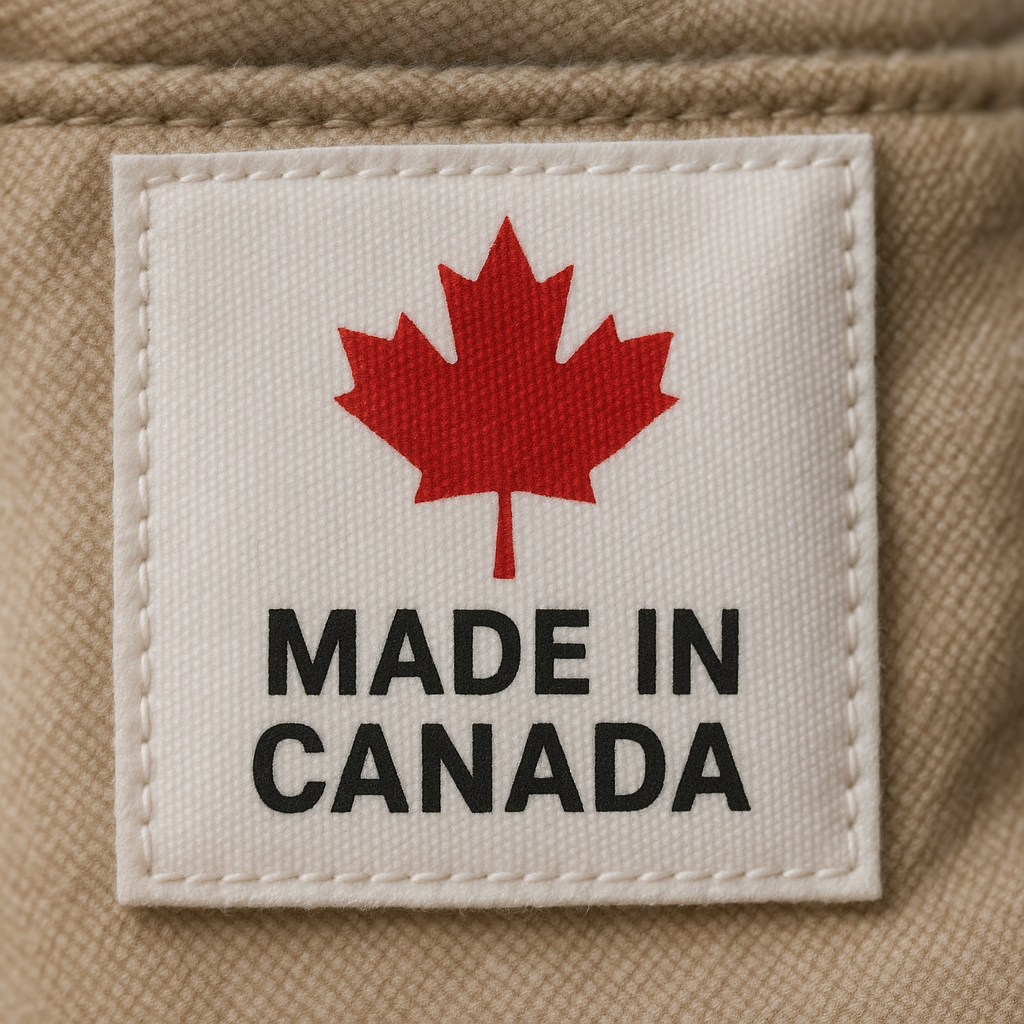
There’s an old saying that money talks. Right now, Canadian wallets are speaking loud and clear. Amid years of trade tensions and tariff fights sparked by former U.S. president Donald Trump, Canadians are proving that patriotism isn’t just about waving a flag it’s about choosing where to spend, invest, and even travel.
According to the latest Ipsos polling, more than half of Canadians say they’ve gone out of their way in recent weeks to buy Canadian-made products or investments. Even more striking, a majority admit they’ve deliberately avoided American goods and services. In other words, national pride has found its way into the checkout aisle.
And the divide across generations tells its own story. Baby boomers, who have more disposable income, are far more likely to buy Canadian and steer clear of U.S. products. Younger Canadians millennials and Gen Z still show a strong sense of loyalty, but with less spending power, their actions don’t carry the same weight.
This trend isn’t just bad news for American exporters. It’s a wake-up call. When nearly 60 per cent of Canadians say they’re intentionally avoiding U.S. products, it signals a deep mistrust in our closest trading partner. That’s a dramatic shift for two economies that have been intertwined for decades.
But here’s where things get even more interesting: this isn’t a temporary protest. The overwhelming majority of Canadians 82 per cent say they’ll keep prioritizing homegrown products even after the trade war subsides. That suggests a cultural shift in consumer values. Buying Canadian is no longer just a reaction to tariffs. It’s becoming a habit.
Of course, this patriotic resolve comes with challenges. Canada doesn’t manufacture everything Canadians want or need. Until supply chains catch up, consumers may struggle to find Canadian-made alternatives for certain products. Businesses, meanwhile, have a huge opportunity but also a responsibility: they can’t just slap a maple leaf on packaging and call it a day. More than half of Canadians say they’d stop buying from a company if they discovered its “Canadian” branding was misleading. Trust, transparency, and authenticity are non-negotiable.
This moment represents both a chance and a test for Canadian businesses. If they can deliver high-quality, competitively priced goods while leaning into their Canadian identity, they stand to win big. But if they try to cash in on patriotism without backing it up, consumers will notice and walk away.
At the end of the day, buying Canadian is about more than politics. It’s about values, resilience, and supporting our own economic ecosystem. Yes, it might cost a little more or take extra effort to avoid American products, but Canadians are showing they’re willing to pay that price. The real question is whether this commitment will endure when the heat of trade disputes fades.
For now, the message is clear: being Canadian doesn’t just mean singing the anthem or cheering for Team Canada. It means making choices every day, at the cash register that strengthen our economy and reflect our pride.