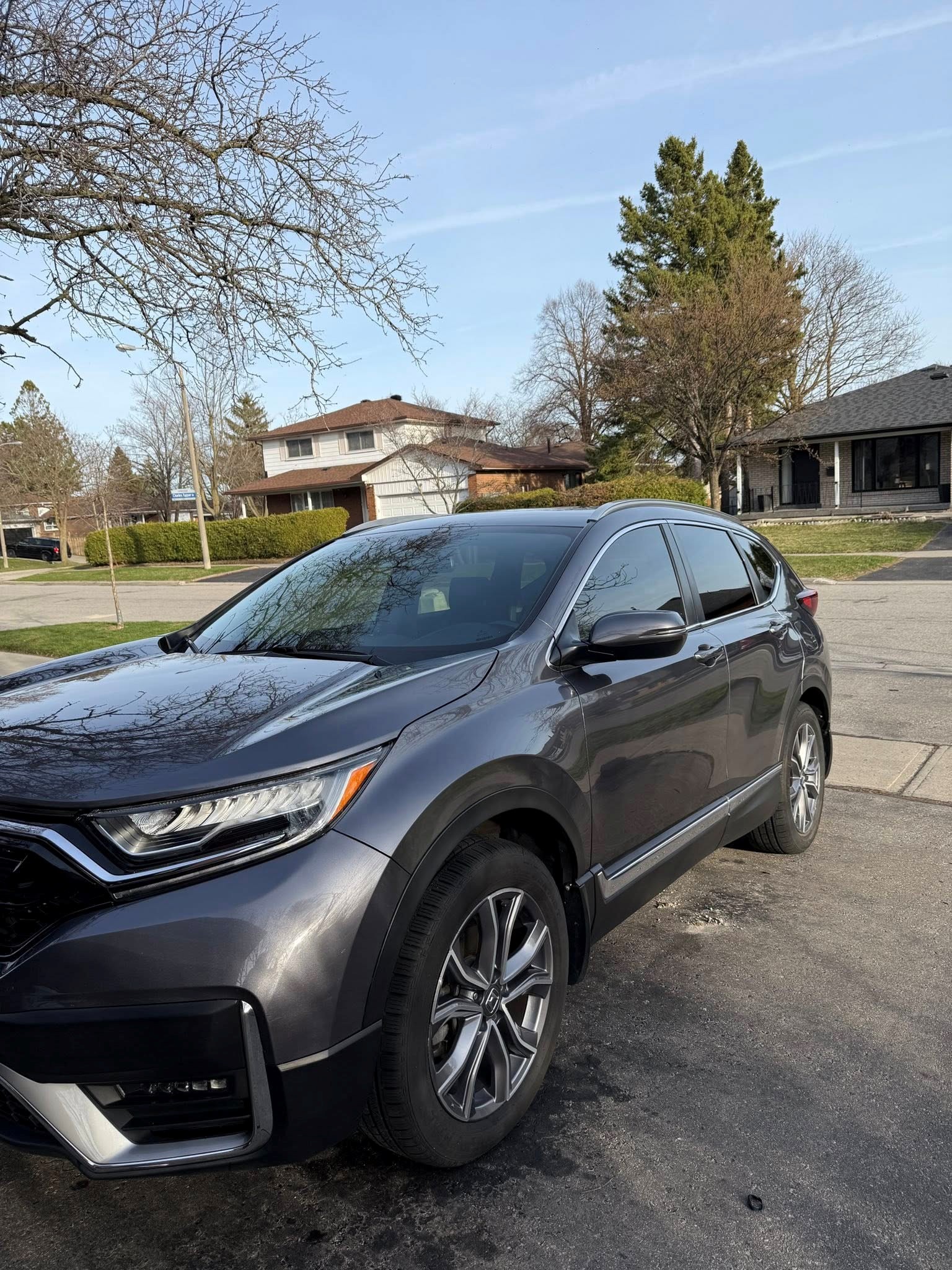
Donald Trump’s recent remarks about raising tariffs on Canadian-made cars reveal more than just a continuation of his hardline trade tactics — they expose a deeper political strategy and a fundamental misunderstanding of North America’s economic reality.
Standing in the Oval Office, Trump once again floated the possibility of increasing auto tariffs, already sitting at 25 per cent, targeting vehicles manufactured north of the border. “I really don’t want cars from Canada,” he said bluntly, casting our shared manufacturing ecosystem aside in favor of an America-first narrative that ignores decades of economic integration.
What’s especially galling is the implication that Canada is somehow taking advantage of the U.S., when in truth, our economies are inextricably linked — particularly in the auto sector. Cars and components cross our borders multiple times before they ever hit a showroom. Tariffs, far from being a magic bullet to resurrect American manufacturing, threaten to derail this complex but highly efficient system, raising costs for consumers and creating chaos for workers.
Let’s not pretend Trump’s comments are simply about trade. His repeated jab that Canada would “work great” as a U.S. state is more than a tasteless joke — it’s a statement drenched in arrogance, dismissive of Canadian sovereignty. It’s no surprise, then, that Prime Minister Mark Carney — serving in a caretaker role during Canada’s election — fired back at a rally in Surrey, B.C., saying: “He is trying to break us so that America can own us.” That sentiment, met with jeers from the crowd, clearly struck a chord with Canadians who feel the sting of betrayal from a long-time ally.
It’s not just rhetoric; the consequences are real. Some Canadian auto plants have already scaled back production, laying off unionized workers as they scramble to adjust to a tariff-altered landscape. While Trump boasts that companies like Honda and Hyundai are expanding in the U.S., industry analysts warn that these short-term wins come at a high cost. A study by the Center for Automotive Research projects a staggering $108 billion hit to American automakers by 2025 due to these tariffs.
Each of Canada’s major political leaders has responded with their own vision for shielding the auto sector. Carney’s $2-billion strategic response fund and proposed manufacturing network aim to build long-term resilience. Conservative Leader Pierre Poilievre offers a sales tax cut for Canadian-made vehicles and a $3-billion loan fund. NDP Leader Jagmeet Singh goes even further, promising legal action against companies moving assets out of Canada and demanding federal procurement favor Canadian-built cars.
These plans may differ, but the message is clear: Canada will not be strong-armed into submission.
Trump may see trade as a zero-sum game, but modern economies don’t operate that way. Cooperation, not coercion, is the foundation of sustainable growth. His suggestion that Canada is expendable as a trading partner reveals not just a disregard for economic nuance but a disregard for the historical bond between our countries.
With his comments, Trump isn’t just waging a trade war — he’s testing the strength of our national identity. The good news is, Canadians have heard this kind of rhetoric before. And we’ve never needed permission to stand our ground.