Toronto Bets on Streetcars to Move World Cup Crowds Despite Reliability Concerns
Taslima Jamal
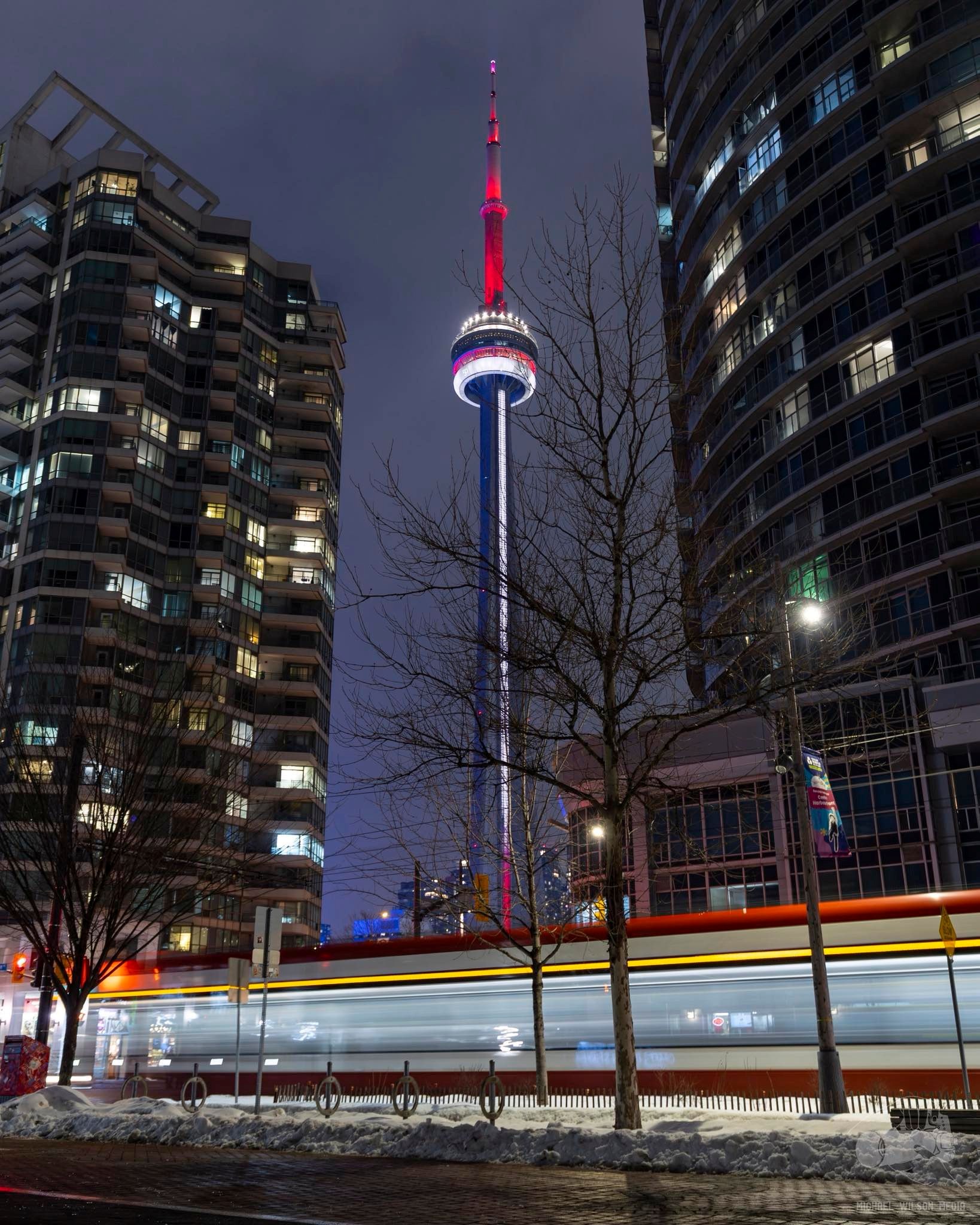
As hundreds of thousands of soccer fans prepare to flood Toronto this summer for FIFA World Cup matches, the city is placing a high-stakes bet on one of its most criticized transit systems: the streetcar network.
Matches featuring powerhouse teams such as Germany, Senegal and Panama will be played at BMO Field in Exhibition Place throughout June and July. But unlike other major stadiums connected directly to subway lines, Exhibition Place relies primarily on surface transit most notably the Bathurst Street streetcar.
To handle the expected surge of visitors, the Toronto Transit Commission (TTC) is planning a dramatic increase in service along the Bathurst route. Officials say streetcars could run as frequently as every five minutes during peak periods of the tournament, effectively operating on what insiders describe as “subway-style scheduling.”
The Bathurst corridor was previously selected as part of the city’s RapidTO initiative, a project designed to prioritize transit vehicles by introducing red-painted lanes that restrict access for private cars. The Dufferin Street bus route is also included in the effort. The goal is to reduce delays caused by mixed traffic and improve travel times to Exhibition Place.
However, behind the scenes, TTC engineers are racing against the clock to ensure the system’s infrastructure can withstand the additional strain.
An internal presentation obtained through freedom of information requests indicates that simulations have identified potential weak points in the power supply network along Bathurst Street. The documents warn that “operational adjustments may be needed” and note that limited time and aging infrastructure could restrict capacity increases at certain critical locations.
Josh Colle, the TTC’s chief strategy and customer experience officer, confirmed that while the agency has enough vehicles and operators to deliver the expanded service, concerns remain about whether the electrical grid and overhead wiring can support such high-frequency operations.
“You can’t have multiple large streetcars sitting in the same power block drawing electricity at once,” Colle explained. “We need to make sure the system can handle it smoothly.”
Testing is currently underway to measure capacity limits and identify possible upgrades before the tournament begins.
The decision to rely heavily on streetcars carries considerable risk. According to a recent performance update from the TTC’s new CEO, streetcars have the lowest on-time performance among Toronto’s transit modes, arriving as scheduled just 55 per cent of the time. By comparison, buses operate on time 73 per cent of the time, while subways achieve 82 per cent reliability.
Customer satisfaction figures tell a similar story. Only 58 per cent of streetcar riders report being satisfied with the service well below the ratings for buses and subways.
Public scrutiny has intensified in recent months following the launch of new light rail lines such as Finch West and Eglinton Crosstown. Riders have voiced frustration over vehicles frequently idling at traffic signals while cars move freely through intersections a problem critics argue undermines the purpose of dedicated transit lanes.
Colle acknowledged the risks but framed the World Cup as an opportunity rather than a liability.
“With global attention on us, there’s definitely pressure,” he said. “But if we can make this work during the World Cup, it becomes proof that we can transform surface transit across the city.”
City officials hope the improvements implemented for the tournament could serve as a long-term model for other streetcar corridors, including Spadina and St. Clair, where similar priority measures are being explored.
As Toronto prepares to welcome the world, the performance of its streetcars may shape not only the fan experience but also the future direction of the city’s transit system.