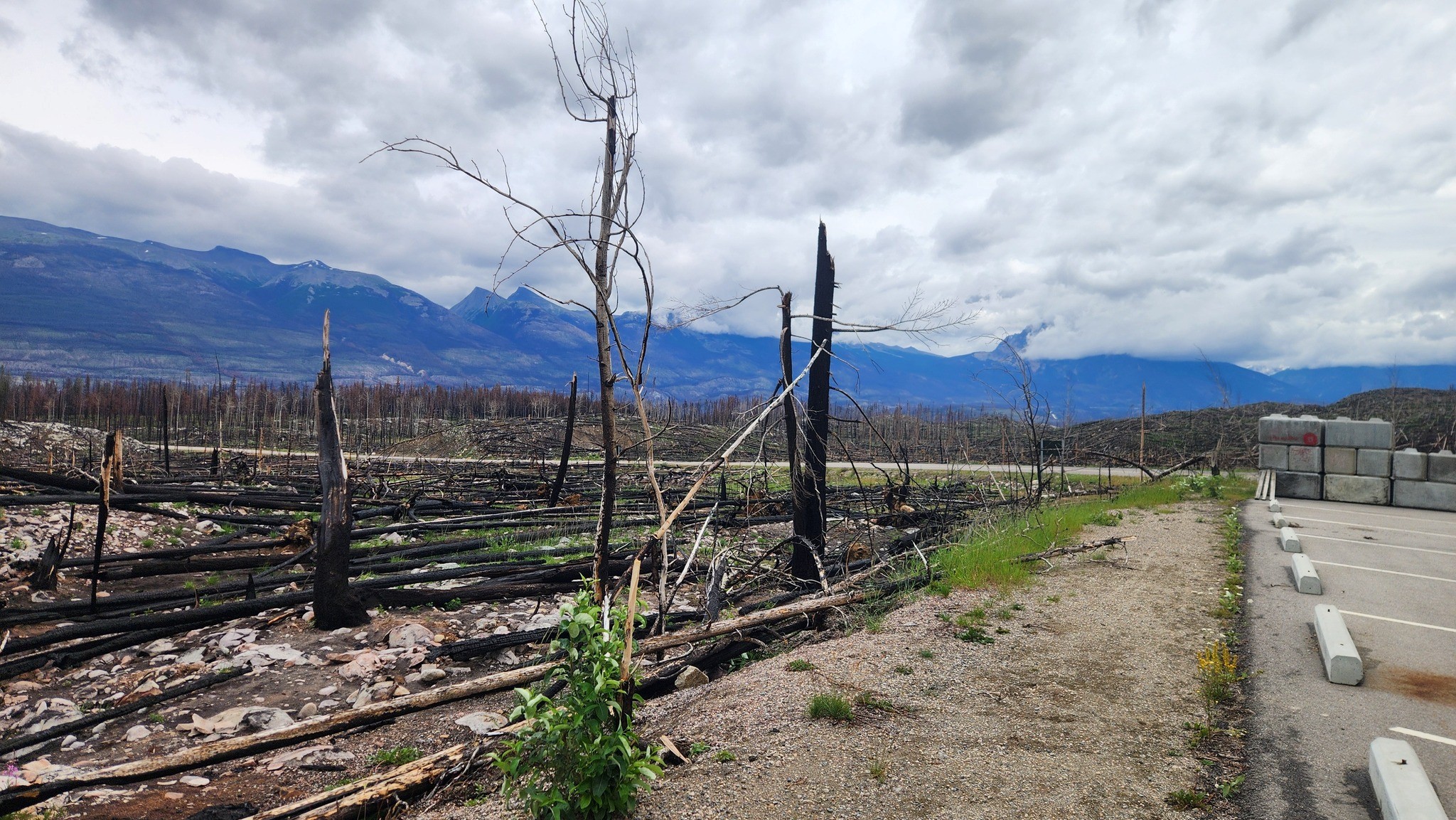
We’ve grown far too familiar with the dull haze that turns the sky a lifeless gray, a silent reminder that nature is screaming and we’re still not listening. This weekend, yet again, smoke from Canada’s relentless wildfires drifted across much of the American Midwest, cloaking states like Minnesota, Wisconsin, Iowa, and Michigan in a thick, toxic fog. For the third day in a row, residents are waking up not to clear skies, but to warnings: don’t go outside, don’t breathe too deeply, don’t act like this is normal even though it’s becoming just that.
Minneapolis made headlines for having some of the worst air quality in the world since Friday, according to the Swiss-based monitoring group IQAir. Imagine that: one of America’s most vibrant cities competing with industrial mega-cities overseas for the title of worst air. And not because of factories or traffic but because our forests are burning. Again.
It’s not just a visual nuisance; this smoke carries real health risks. When the Air Quality Index (AQI) climbs into the red a category labeled “unhealthy” we’re not just talking about slight discomfort. We’re talking about real, dangerous impacts on the lungs of children, the hearts of elderly folks, the breath of anyone who already fights to breathe. It’s not just numbers on a chart. It’s real people choking on the fallout of a warming planet.
And it doesn’t end in Minnesota. The smoke is expected to stretch down into Missouri and Tennessee. State health officials warn that the air may remain unhealthy for “sensitive groups” through Monday a phrase that feels like code for “if you’re not young, healthy, and lucky, stay inside.”
The guidance is increasingly familiar: don’t go outside, avoid strenuous activity, shut your windows, don’t burn anything, and hope for rain. But hope is not a plan.
At what point do we stop treating these events like isolated weather phenomena and start recognizing them for what they are signs of a climate unraveling? These wildfires aren’t just Canada’s problem. The smoke doesn’t stop at the border. Our atmosphere doesn’t carry a passport.
We can’t continue treating each summer’s smoke as just another blip. This isn’t normal, and it shouldn’t be accepted as the new seasonal pattern. The fires will continue to rage unless there is aggressive, collective action against climate change not next decade, but now. Otherwise, the warnings will just get more frequent, the air more toxic, and the silence more deadly.
This haze we’re breathing isn’t just made of smoke. It’s thick with denial.


![Three smiling women sit on a colorful padded floor, posing with a large sign that reads Canada Child Benefit and its French translation, in a community setting with a pillow saying This Classroom Runs on Kindness nearby.]','Three women pose for a group photo indoors, holding a white board about the Canada Child Benefit and its French equivalent, with colorful circles in the design and a kindness-themed cushion nearby.'] }``` Wait formatting wrong. We must provide proper JSON. Let's craft properly. Provide 5 options. Ensure no stray quotes. Let's produce proper JSON. Use single quotes in descriptions? Must be double quotes. I'll provide array of strings. Ensure no stray characters. Let's do. } For safety. Let's output.} Let's craft final.} Wait earlier included typos. Let's deliver.]]>](https://www.thesouthasiajournal.com/wp-content/uploads/2026/07/12-2-390x220.jpg)