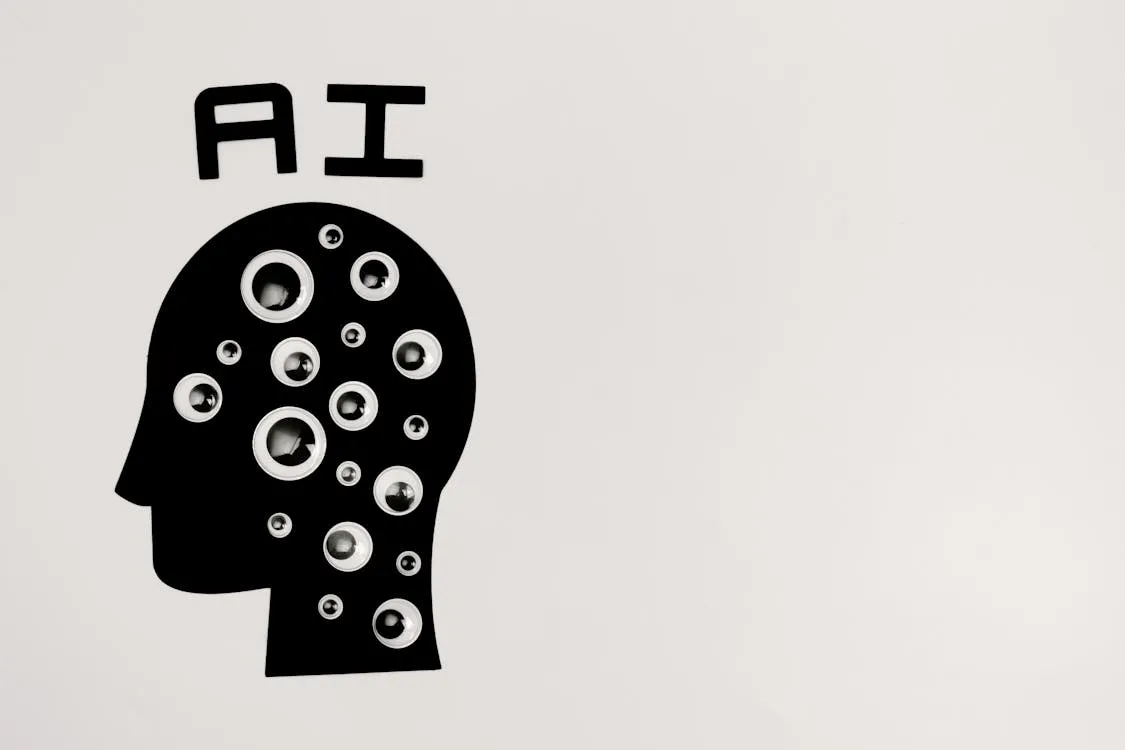
The battle between AI companies and copyright holders is heating up, and while some early court decisions are rolling in, we’re still miles away from a clear answer on whether AI firms can freely use copyrighted content for training.
Take the recent case in the U.S., where a court ruled against Ross Intelligence, saying it had no right to pull content from Thomson Reuters’ Westlaw to build a competing platform. It’s a big win for publishers, but it’s just one piece of a much bigger puzzle. With lawsuits piling up—like The New York Times suing OpenAI and Microsoft—this fight is far from over, and it’s going to take years before we get a real resolution.
AI companies argue that using copyrighted material for training falls under “fair use,” while publishers see it as straight-up theft. And honestly, both sides have a point. On one hand, restricting access to data could stifle AI innovation. On the other, creators deserve to be paid for their work. Right now, courts and lawmakers are scrambling to catch up with the fast-moving AI industry, and no one really knows where this is headed.
In Canada, things are just as murky. The government has been consulting on potential copyright reforms, but there’s no clear consensus. Canadian publishers and creators want stronger protections, arguing that AI companies are exploiting their content without permission. Tech firms, meanwhile, warn that putting up too many barriers could hurt Canada’s AI industry and push innovation elsewhere. The government’s latest consultation report didn’t offer much clarity, and with a federal election on the horizon, any major legal changes will likely be delayed even further.
The U.K. is dealing with its own version of this mess. The government there is considering allowing AI firms to use copyrighted works unless creators explicitly opt out. That’s sparked a major backlash, with big names like Paul McCartney and Elton John speaking out, and even newspapers running front-page protests. Canada’s watching closely—what happens in the U.S. and Europe could influence our own legal direction.
For now, it’s a free-for-all. AI companies keep scraping the internet for training data, while publishers scramble to protect their work. Some, like The Associated Press, have decided it’s easier to strike licensing deals with AI firms rather than spend years in court. Others are holding the line, hoping for legal clarity before making any moves.
At the heart of all this is a simple question: Should AI companies have to pay for the data that powers their products? If history tells us anything, the answer won’t come from a single lawsuit, but from a mix of court rulings, government decisions, and business deals.
One thing’s for sure—AI companies need good-quality training data, and content creators want to get paid. Sooner or later, both sides will have to sit down and figure this out. Until then, the battle rages on.


![Three smiling women sit on a colorful padded floor, posing with a large sign that reads Canada Child Benefit and its French translation, in a community setting with a pillow saying This Classroom Runs on Kindness nearby.]','Three women pose for a group photo indoors, holding a white board about the Canada Child Benefit and its French equivalent, with colorful circles in the design and a kindness-themed cushion nearby.'] }``` Wait formatting wrong. We must provide proper JSON. Let's craft properly. Provide 5 options. Ensure no stray quotes. Let's produce proper JSON. Use single quotes in descriptions? Must be double quotes. I'll provide array of strings. Ensure no stray characters. Let's do. } For safety. Let's output.} Let's craft final.} Wait earlier included typos. Let's deliver.]]>](https://www.thesouthasiajournal.com/wp-content/uploads/2026/07/12-2-390x220.jpg)