Tax Dollars, Broken Promises: Canada’s Vaccine Injury Support Program Needs Urgent Reform
Taslima Jamal
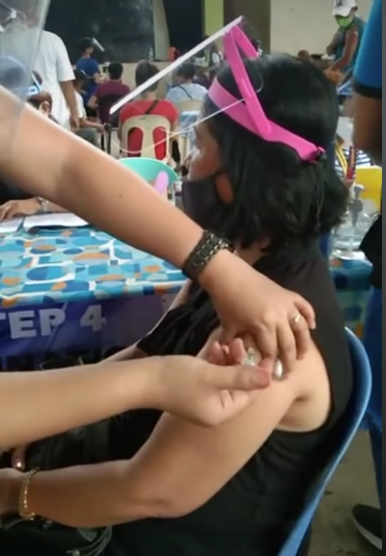
The Vaccine Injury Support Program (VISP) is failing the very people it was designed to protect injured Canadians left behind in the wake of the largest vaccination campaign in our nation’s history. And it’s not just a case of bureaucratic delays or red tape. It’s a full-blown failure of oversight, accountability, and compassion.
The federal government launched VISP in 2020 with the right intention: to provide financial support to those who were seriously and permanently harmed after receiving a COVID-19 vaccine. But what started as a promising lifeline has devolved into a black hole of unanswered emails, unreachable case managers, and outrageously high administrative costs. The numbers are staggering and deeply troubling.
Of the $54 million the government has poured into the program so far, more than $36 million has gone to administrative costs. Only $18.1 million has made it into the hands of injured Canadians. That means two out of every three taxpayer dollars went to overhead rather than help. How is that remotely acceptable?
The Ottawa-based consulting firm Oxaro Inc., which won the contract to manage the program, claimed in 2021 it had the “people, processes, and tools” to deliver with “industry best practices.” But reality painted a far different picture: overwhelmed staff, wildly inaccurate forecasts, and a disturbing office culture where Netflix, ping pong, and slushies allegedly competed with serious injury claims for attention.
Oxaro predicted just 40 claims per year when they took on the program. The actual number? Over 3,300 applications filed to date, with more than half still waiting for decisions. That’s not a margin of error it’s a catastrophic misjudgment. And it begs the question: what due diligence did the Public Health Agency of Canada (PHAC) actually do before handing over this crucial program?
To its credit, PHAC is now accelerating its audit of Oxaro’s handling of VISP, and says it is exploring “alternative delivery models.” That’s bureaucratic speak for “we’re finally realizing this might be a disaster.” But why did it take four years, a national media exposé, and cries from both opposition MPs and former employees for the government to take this seriously?
It’s time to stop tiptoeing around the issue: Oxaro has failed, and Canadians are suffering because of it. People who trusted the government enough to roll up their sleeves are now being abandoned in a maze of paperwork and indifference. Some are turning to crowdfunding just to survive. That’s not just inefficient it’s cruel.
Health Minister Mark Holland was asked about the sped-up audit this week and offered little more than a vague: “I am on it.” Canadians deserve more than that. They deserve answers, accountability, and above all, action.
PHAC must not only complete this audit swiftly but also make the findings public. If negligence or incompetence is found, there should be consequences not just a quiet contract termination and business as usual. Transparency is the only way to restore public trust.
This is not about being anti-vaccine or politicizing health care. It’s about basic fairness. If the government encourages or mandates a public health action, it must be prepared to support the few who suffer adverse effects. That’s the social contract. VISP was supposed to be the safety net. Instead, it’s become a tangled mess of missed opportunities and broken promises.
Canadians deserve a vaccine injury support program that actually supports them. Anything less is a betrayal.