Pierre Poilievre’s Make-or-Break Moment: Why January’s Conservative Convention Matters
Taslima Jamal
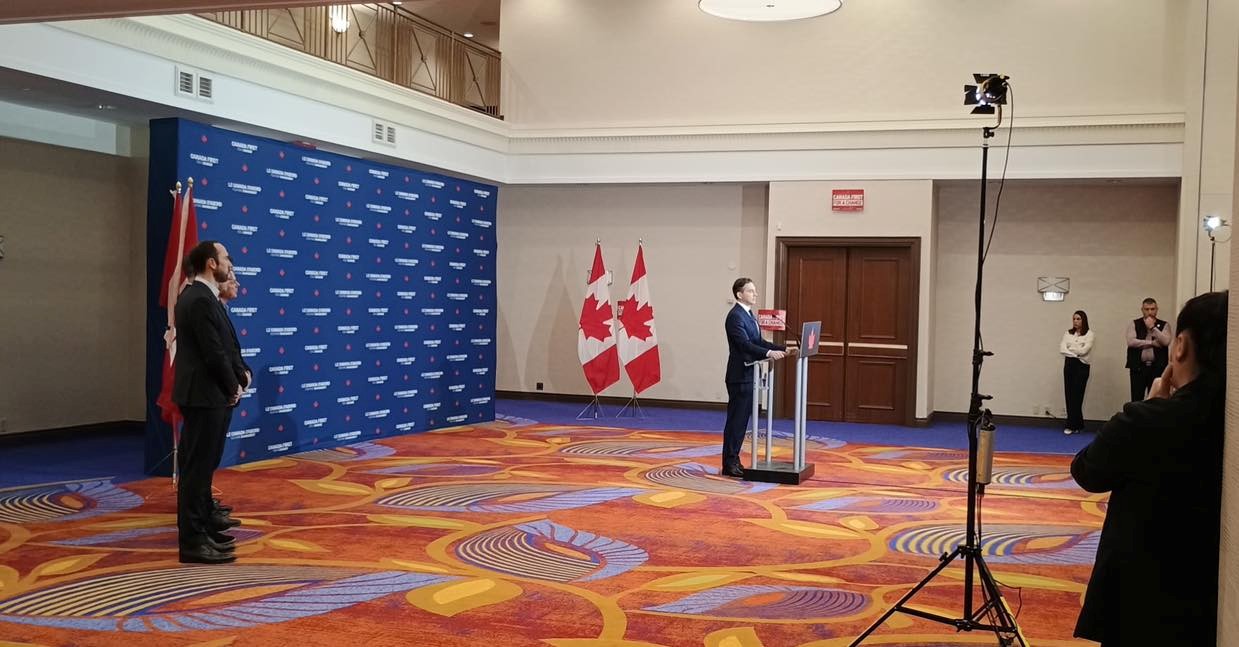
By January, Pierre Poilievre could be facing the most pivotal moment of his political career. The Conservative Party’s national convention, scheduled for January 29–31 in Calgary, isn’t just another gathering of the party faithful — it’s a judgment day for its leader.
After losing his seat in the April federal election, Poilievre is now compelled to undergo a mandatory leadership review. This isn’t unusual — the Conservative Party requires such a vote following an election loss. But the stakes this time are especially high. Poilievre must convince more than half the delegates to keep him in charge. If he fails, he’s out.
Leadership reviews are often framed as routine formalities, but don’t be fooled — this one won’t be. After years of fiery rhetoric, ideological battles, and a campaign that didn’t quite resonate beyond the Conservative base, Poilievre has some hard questions to answer. His leadership style, which appeals deeply to certain segments of the party, may not be the unifying force the Conservatives need if they hope to win the next election.
Still, he’s not giving up. Poilievre has signaled that he intends to return to Parliament via a summer byelection in a rural Alberta riding — a Conservative stronghold that’s all but guaranteed to put him back in the House. That move could help solidify his credibility ahead of the convention, but it’s far from a golden ticket. Delegates will want more than just a seat — they’ll want a roadmap forward, and an explanation for what went wrong.
At the convention, Poilievre will deliver a report and participate in an accountability session, likely a mix of damage control and forward-looking vision. But the real test will be in the secret ballot box. Behind closed doors, Conservative members will have to decide: Is Poilievre the leader who can actually win?
For a party that’s struggled to balance its ideological core with broader electoral appeal, this vote isn’t just about one man. It’s about the future of the Conservative movement in Canada. January can’t come soon enough.