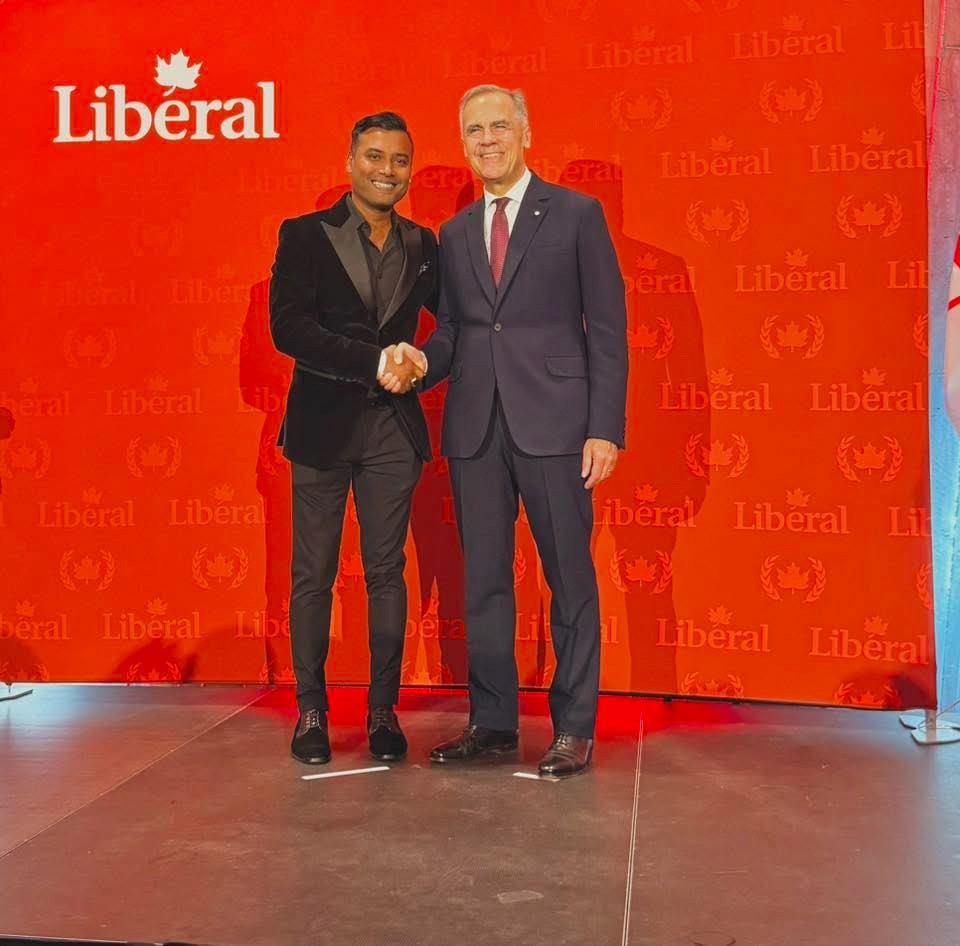
Surviving a vote on a throne speech is a win. But when it comes by way of unanimous consent in a minority parliament — and after the opposition parties had publicly vowed to oppose it — it’s not exactly a moment of triumph. It’s more a moment of caution. Mark Carney may have passed his first test as prime minister, but it’s clear his government is walking a tightrope.
Just days ago, New Democrats made it very clear they were dissatisfied with what the throne speech had to offer — or more accurately, what it failed to offer. NDP interim leader Don Davies had been adamant: working families weren’t getting the support they needed, housing affordability remained an afterthought, and health care — the third rail of Canadian politics — wasn’t even mentioned. That alone should have been a red flag.
And yet, when the moment of truth came, there was no recorded vote. The motion passed with unanimous consent, the House united — at least on the surface. What happened? Did the opposition flinch in the face of Marc Garneau’s sudden passing, opting for a moment of respect over a divisive vote? Was there a backroom handshake, or simply political calculation at play? We may never know for certain, but the optics are unmistakable: a government spared by a procedural escape hatch, not by earned consensus.
For all the high-minded talk of “a strong and focused agenda,” the Carney government has yet to outline clear roadmaps for the promises it campaigned on — and that’s a problem. A throne speech is supposed to set the tone, offer a vision, and assure Canadians that the ship of state has a competent hand at the wheel. What Carney delivered was big on slogans, light on substance. “Building a stronger Canada” is a noble idea. But how? And at what cost?
It’s telling that the Conservatives, despite hammering the government for its vagueness and fiscal ambiguity, didn’t move to block the motion either. They’re playing the long game, pushing hard for a budget and waiting for the Liberals to stumble. It’s a shrewd strategy. After all, this government can’t afford to lose many votes — literally. With just 169 seats, the Liberals are three shy of a majority, meaning every vote becomes a nail-biter.
The Bloc Quebecois, for their part, have offered a conditional truce — stability in exchange for progress on trade and security deals with the United States. It’s a pragmatic move, one that may give the Liberals some breathing room, but it’s hardly a blank cheque.
Even the Green Party’s Elizabeth May — who offered her support — admitted the speech was mostly symbolism. Climate change, arguably the most pressing issue of our time, received only fleeting mentions. That’s an indictment, not an endorsement.
To Carney’s credit, he’s already moving forward with legislation. Promises to reduce federal barriers to interprovincial trade, lower the bottom tax bracket, and beef up border enforcement are now tabled bills, not just talking points. But without a clear fiscal plan or a budget to back them up, those initiatives may be dead on arrival. The government is also on the hook to pass nearly $487 billion in spending estimates just to keep the lights on — another high-stakes vote coming soon.
In the end, surviving this confidence test is not a mandate. It’s a temporary reprieve. Canadians deserve more than slogans and ceremonial speeches — they deserve clarity, accountability, and a government that’s not only focused but capable of delivering on its promises.
Mark Carney may have won this round. But the real challenges are just beginning.