A jury has acquitted Canadian musician Jacob Hoggard of sexual assault in a case stemming from an encounter with a young woman in Kirkland Lake eight years ago, bringing a closely watched trial in northeastern Ontario to a close.
Jurors heard starkly opposing versions of events. The complainant delivered an emotional account, alleging she was violently assaulted during a brief encounter. Hoggard testified to a dramatically different narrative, describing what he said was a consensual one-night stand. After weighing the evidence presented in court, the jury returned a not-guilty verdict.
Because of strict evidentiary rules, jurors were shielded from several key aspects of Hoggard’s legal history.
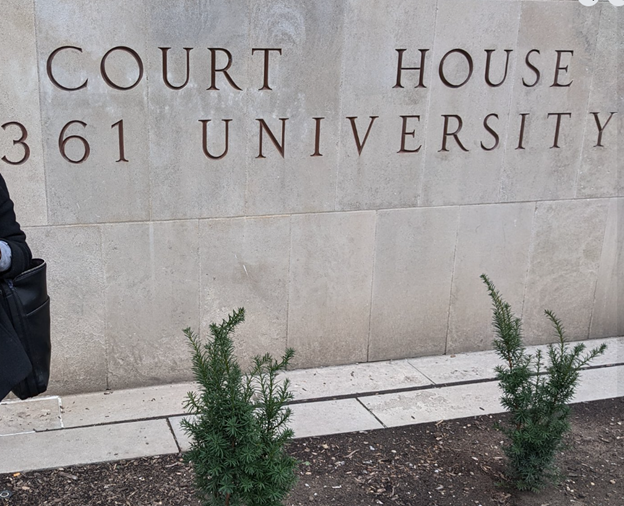
Most notably, Hoggard was previously convicted in Toronto in 2022 of sexual assault causing bodily harm against an Ottawa woman an offence the trial judge in that case described as a “particularly degrading rape.” In the same proceeding, Hoggard was acquitted of similar charges involving a teenage fan, including a count of sexual interference related to alleged conduct when she was under 16.
The earlier trial featured allegations of violent, degrading assaults, including slapping, choking, and verbal abuse. The Ottawa complainant also testified that Hoggard made humiliating requests during the alleged assault, which she said she refused. None of that evidence was admissible in the northeastern Ontario trial.
Defence counsel Megan Savard argued in both proceedings that the complainants’ accounts were influenced by regret following consensual encounters an argument the Crown rejected.
Despite the acquittal, Hoggard remains incarcerated. After his 2022 conviction, he was initially released on bail pending appeal. That changed in August when the Court of Appeal for Ontario upheld the conviction, triggering the start of his five-year prison sentence.
In September, Hoggard sought permission to appeal to the Supreme Court of Canada, but the Appeal Court later denied a renewed request for bail, citing the low likelihood that the top court would hear the case.
Because Hoggard was transported to court from custody, lawyers and the judge took steps to ensure jurors did not see him in prison clothing or restraints. He arrived early each day and changed into a dark suit before proceedings began.
Midway through the trial, the Crown raised concerns after hearing that a juror may have briefly seen Hoggard under escort. Defence counsel later told the court she was satisfied the encounter if it occurred was unlikely to have influenced the jury.
The trial briefly teetered on the edge of a mistrial when the complainant referenced learning about other “cases” during her testimony, mentioning media reports by CBC. The jury was immediately removed from the courtroom.
Justice Robin Tremblay expressed concern about the reference to other allegations, which are considered highly prejudicial. After discussions, the defence chose not to seek a mistrial, concluding that a firm instruction to the jury would be sufficient. Jurors were later told to completely disregard the comment.
Emotions ran high throughout the complainant’s testimony, marked by frequent breaks and visible distress. At one point during cross-examination, the Crown raised an unusual concern alleging Hoggard’s audible reactions might be heard by jurors. Defence lawyers countered that any sounds were natural courtroom reactions.
The judge ultimately declined to raise the issue with jurors, emphasizing only that the interruption was not a critique of the defence’s questioning.
Jury selection proved lengthy, with several prospective jurors dismissed after indicating they were already familiar with Hoggard’s past cases. One man openly acknowledged knowing about Hoggard’s prior conviction and said he could not remain impartial.
From the outset, Justice Tremblay repeatedly instructed jurors not to research the case or consume media coverage warnings underscoring the challenge of empaneling an unbiased jury in a high-profile trial.
With the acquittal, the northeastern Ontario case is now closed. The verdict does not affect Hoggard’s existing sentence from the Toronto conviction, which he continues to serve as his final avenue of appeal awaits a decision in Ottawa.