By lowering the voting age to 16, the British government has sparked a wave of reflection among democracies around the world. Canada should pay close attention and follow suit. If we claim to value the voices of young people, it’s time to back that up with action.
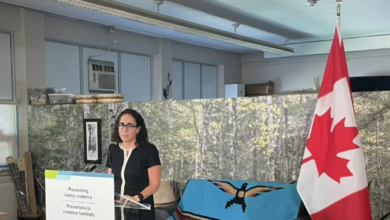
Senator Marilou McPhedran has been one of the few persistent voices in Ottawa pushing for this change. For her, it’s not a trendy idea or a fleeting headline it’s a matter of fairness, logic, and democratic health. And she’s right.
Let’s face it: the arguments against letting 16-year-olds vote are mostly built on outdated assumptions. The stereotype that young people aren’t mature or informed enough to vote doesn’t hold up in today’s world. Sixteen-year-olds can work, pay taxes, drive cars, and be held criminally responsible under the law but they can’t vote on the laws that govern them? That’s not only inconsistent it’s unjust.
About a third of Canadian 16-year-olds are employed and contributing to our economy. They’re often more politically aware than many adults, especially in the age of social media and 24/7 news. They care deeply about climate change, education, mental health, and economic opportunity issues that directly affect them now and will shape their futures. To exclude them from the electoral process is to silence a vital and increasingly informed segment of our society.
Sixteen-year-old Jaden Braves and his group, Young Politicians of Canada, are living proof that political engagement doesn’t start at 18. These young leaders aren’t asking for charity; they’re demanding the rights they deserve. As Braves put it bluntly, Canada must stop living in the shadow of other countries’ progress. He’s not wrong. Austria, Brazil, Ecuador, Scotland, and Wales already allow 16-year-olds to vote. The U.K. has now committed to doing the same at the national level. Canada’s reluctance is starting to look like cowardice.
Skeptics often argue that lowering the voting age won’t increase turnout or could lead to uninformed voting. But studies and real-world examples tell a different story. In Scotland, voter turnout among 16- and 17-year-olds was notably high when they were first allowed to vote. And guess what? When you engage people early, they’re more likely to keep voting throughout their lives.
Senator McPhedran’s bill to lower the federal voting age which was stalled by prorogation last time — deserves real momentum when Parliament returns this fall. This time, she’s making sure young people speak directly to the Senate. That might just be the spark needed to change some skeptical minds.
Meanwhile, the movement is gaining ground across Canada. Toronto has started allowing 16- and 17-year-olds to vote in local planning polls. B.C. is studying the idea through a provincial committee. And a group of young Canadians has taken the issue to court, arguing that the Canada Elections Act violates their Charter rights.
These efforts may seem small now, but they’re part of a larger, undeniable shift. If one or two provinces lead the way, the federal government may have no choice but to follow. Just like in the 1960s and ’70s, when Canada lowered the voting age from 21 to 18, change often begins in the margins.
The truth is simple: young people are already leaders, organizers, and activists. They’re not just the future they’re the present. Canada needs to stop treating political maturity like a birthday gift you receive at 18. Let’s recognize the agency young people already have and give them the ballot to match it.
The time for excuses has passed. The time for action is now.