
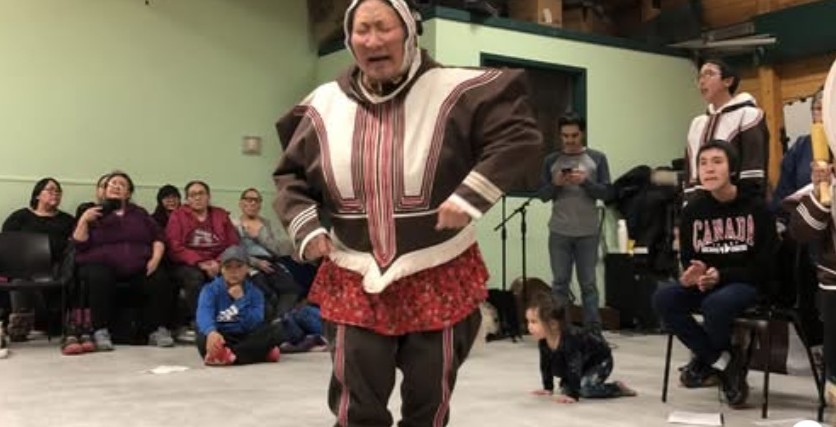
Last Friday, Canada Post chose to do more than just unveil another set of stamps—it reignited a conversation about the importance of celebrating, preserving and sharing Indigenous culture. The first of three new stamps, released in Ulukhaktok on Victoria Island, pays tribute to Julia Haogak Ogina, an Inuit leader and tireless advocate for drum dance traditions and her native tongue. This isn’t merely philatelic trivia; it’s a powerful reminder that each of us carries a responsibility to uplift the voices and wisdom of those who came before us.
I can’t help but feel moved when I learn that Ogina devoted her life to retrieving and safeguarding drum dance songs—a cultural treasure that might easily have slipped away without her determination. Her work in developing regional language frameworks underscores the fact that language is the very heartbeat of a people. When a language fades, so too does the nuance of its stories, the humor in its jokes, and the ancestral knowledge passed from elders to children.
Later this week, Metis leader Sophie McDougall will be honoured in Prince Albert, Saskatchewan, followed by Alberta First Nations leader Bruce Starlight in Tsúut’ínà Nation on June 19. Each leader’s stamp release is an occasion not just for celebration, but for reflection on how far we’ve come—and how much farther we must still go—in embracing the full tapestry of Canada’s heritage.
The release date of June 20, just ahead of National Indigenous Peoples Day on June 21, is more than convenient timing. It feels like a call to action: to move from token acknowledgment to genuine engagement. When we place Ogina, McDougall and Starlight on our letters and parcels, we’re doing something small but significant—we’re inserting their stories into everyday life.
Of course, stamps alone won’t right centuries of marginalization. Yet symbols like these can spark curiosity. A student who spots Ogina’s image may ask, “Who was she?” and find themselves on a path toward deeper understanding. A collector may discover McDougall’s trailblazing Métis advocacy and be inspired to learn more about Métis history. In this way, Canada Post’s Indigenous Leaders series becomes a catalyst for education and reconciliation.
So yes, I’m an unabashed stamp enthusiast, but even I recognize that these humble rectangles carry weight far beyond their price. They honor individual legacies while coaxing the rest of us to listen, learn and act. As they say in many Indigenous cultures, knowledge grows when it’s shared. Through these new stamps, Canada Post invites all Canadians to participate in that growth—one envelope at a time.