When a government starts pinching pennies on something as fundamental as language access, it’s time to pay attention. Canada is a bilingual country by law and by identity but now, that commitment is being put to the test.
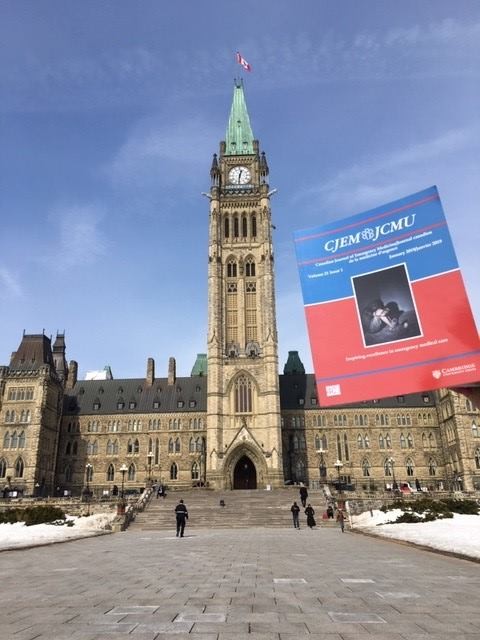
The federal government is planning to overhaul the way it hires freelance interpreters, and not for the better. According to professional interpreters and their associations, the changes could seriously undermine the quality and availability of interpretation services in some of our most important public institutions, including Parliament and the Supreme Court.
At the heart of the controversy is a shift in procurement policy. Instead of hiring interpreters based on their credentials and experience the “best fit” model the government is moving toward a “lowest bid” approach. Translation: the cheapest interpreter wins, regardless of expertise. This might save a few dollars on paper, but at what cost?
Interpreters aren’t just language tools; they are skilled professionals who often bring deep subject knowledge to their work. Think about interpreting a Supreme Court hearing wouldn’t you prefer someone with a legal background translating complex arguments, rather than whoever came in cheapest?
But it gets worse. The government is also proposing to pay interpreters by the hour instead of by the day. This move flies in the face of industry standards and treats interpreters like gig workers rather than professionals who often prepare for hours before an assignment. It’s a slap in the face to a group already stretched thin, with about 100 accredited freelancers handling more than half of all parliamentary interpretation assignments.
And let’s not forget the health toll. Many interpreters have sustained hearing injuries during virtual parliamentary sessions due to poor sound systems. Rather than improving protections and investing in their safety, this new approach seems to ignore those realities completely.
Nicole Gagnon, a career interpreter and spokesperson for AIIC-Canada, put it bluntly: these changes are “non-starters.” She and others have made it clear they won’t work under such conditions. And if experienced interpreters walk away as many are threatening to Canada will be left scrambling to fill essential roles with underqualified, overworked replacements. That’s a recipe for disaster in a country that prides itself on bilingualism.
It’s also a danger to democracy. Parliamentarians rely on these services to communicate, debate, and make decisions that affect us all. If the quality of interpretation drops, how can we expect accurate representation or fair access to our political system in both official languages?
The government says it’s open to feedback, but insiders say officials have already made up their minds. If that’s true, it’s a shameful disregard for the voices of those doing the work and for the communities they serve.
This isn’t just about interpreters. It’s about the kind of country we want to be. Are we willing to let cost-cutting measures erode the foundations of our bilingual democracy? Or will we stand up for quality, inclusion, and fairness?
Because in the end, democracy doesn’t come cheap and neither does understanding.