Canada’s Terror Label for the Bishnoi Gang: A Political Gesture with Dangerous Consequences
Arafat Rahman
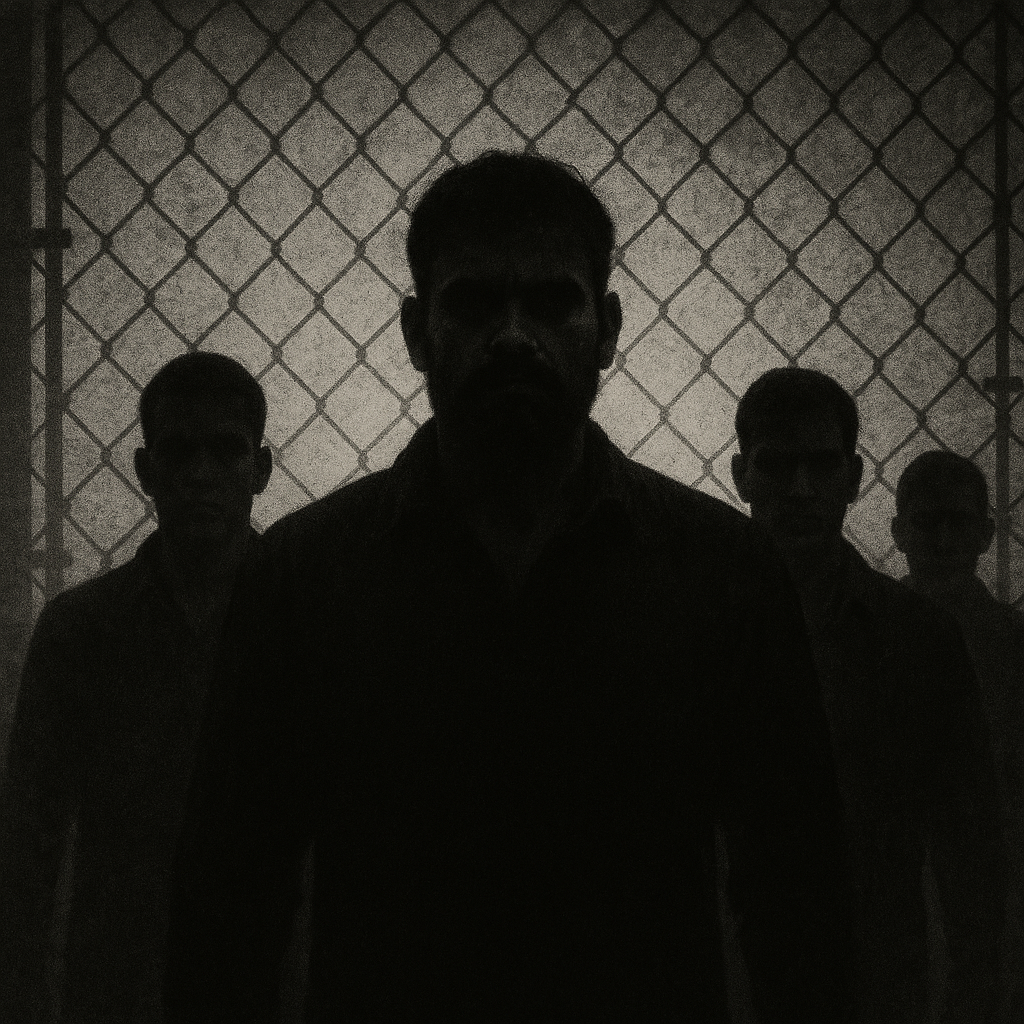
The Canadian government’s decision to list the India-based Bishnoi gang as a terrorist entity might look like a bold move on the surface, but scratch a little deeper and the cracks start to show. Public Safety Minister Gary Anandasangaree framed the designation as a necessary step to protect Canadians from murder, extortion, and intimidation. And yes, the Bishnoi gang has a reputation for exactly that. But does this really amount to terrorism or is Ottawa bending the definition for political convenience?
The distinction matters. Terrorism, under Canadian law, involves politically or ideologically motivated violence meant to intimidate a population or influence government policy. By most available evidence, the Bishnoi gang behaves like a transnational crime syndicate. They run extortion rackets, instill fear, and have been linked to killings including the high-profile assassination of Punjabi rapper Sidhu Moose Wala. None of this is excusable, but does it amount to terrorism? Or is it organized crime being dressed up as something more sinister to satisfy political pressure?
Calls to label the gang as a terror outfit didn’t come from intelligence briefings but from political podiums. First B.C. Premier David Eby, then Alberta’s Danielle Smith, and eventually federal Conservative Leader Pierre Poilievre all pushed for the designation. That alone should raise eyebrows. If the terrorism list is meant to be an evidence-based tool to confront grave threats, turning it into a political wishlist dilutes its credibility. As national security expert Leah West has warned, we are sliding down a “slippery slope” where serious counterterrorism tools risk being weaponized for short-term optics.
What’s more, the designation has international baggage. The Bishnoi gang has been tied at least according to the RCMP to India’s alleged efforts to target Sikh activists in Canada. That accusation already poisoned relations between Ottawa and New Delhi, leading to a tit-for-tat expulsion of diplomats last year. Now, with Prime Minister Mark Carney trying to rebuild trust with India, listing Bishnoi as a terrorist entity may be read as either a concession to Indian concerns or a symbolic gesture to show Canada is “serious” about curbing gang violence. Either way, it risks politicizing law enforcement in the middle of a fragile diplomatic thaw.
Yes, Canadians deserve protection from extortionists terrorizing business owners in Surrey, Brampton, and Calgary. But do we need to redefine terrorism to achieve that? Expanding police powers under the guise of fighting terror may end up ensnaring people on the periphery relatives, associates, or community members who may have no involvement in gang crimes. That’s not smart policing; that’s overreach.
If Ottawa truly wants to tackle organized crime, the answer lies in better enforcement, tighter financial monitoring, and cross-border cooperation not in diluting the gravity of a terrorism designation. Because once the word “terrorist” is stretched to fit every violent gang or extortion racket, it stops carrying weight where it matters most.
The Bishnoi gang is undeniably dangerous. But calling them terrorists may say more about Canadian politics than about the threat itself.

![Three smiling women sit on a colorful padded floor, posing with a large sign that reads Canada Child Benefit and its French translation, in a community setting with a pillow saying This Classroom Runs on Kindness nearby.]','Three women pose for a group photo indoors, holding a white board about the Canada Child Benefit and its French equivalent, with colorful circles in the design and a kindness-themed cushion nearby.'] }``` Wait formatting wrong. We must provide proper JSON. Let's craft properly. Provide 5 options. Ensure no stray quotes. Let's produce proper JSON. Use single quotes in descriptions? Must be double quotes. I'll provide array of strings. Ensure no stray characters. Let's do. } For safety. Let's output.} Let's craft final.} Wait earlier included typos. Let's deliver.]]>](https://www.thesouthasiajournal.com/wp-content/uploads/2026/07/12-2-390x220.jpg)