Canada’s Pharmacare Breakthrough Is Just the Beginning If Provinces Step Up
Syed Azam
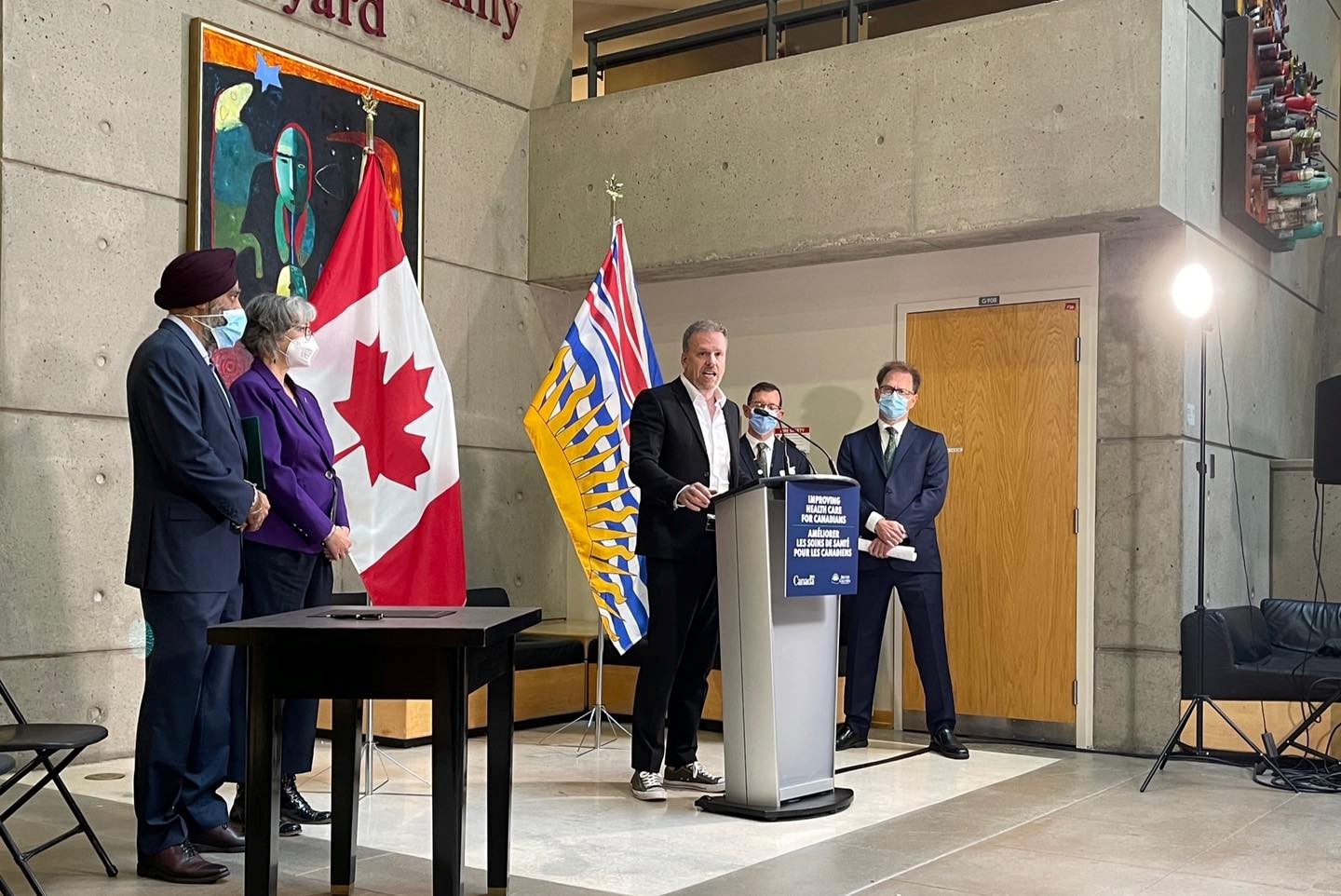
Canada has finally crossed a long-awaited milestone: a national pharmacare bill is now law. With Bill C-64 receiving royal assent, the federal government has planted a flag in the ground for universal access to essential medications, starting with diabetes treatments and contraception.
This is more than a policy win; it’s a statement of values. Diabetes care and reproductive health are not luxuries. Insulin, metformin, sulfonylureas, SGLT-2 inhibitors these aren’t optional add-ons to a healthy life. Neither are oral contraceptives, IUDs, implants or emergency pills. For too long, millions of Canadians have paid hundreds or even thousands out of pocket for medicines that keep them alive or give them control over their bodies.
But celebration must be tempered with realism. This first phase only matters if provinces and territories sign on. Ottawa can design the program and fund it, but health care delivery is provincial turf. British Columbia has already struck a deal reshaping the funding to fit its own programs by including hormone replacement therapy but Alberta and Quebec are signaling they may opt out entirely. That’s their right, but it risks undermining a rare chance to shrink health inequities across the country.
Critics will point to the price tag: $1.5 billion over five years for the opening phase and an estimated $11 billion in annual incremental costs to governments once fully running. Yet the Parliamentary Budget Office projects billions in drug-cost savings as bulk purchasing power kicks in. More importantly, the real savings lie in fewer hospitalizations and complications from untreated illness outcomes that cost far more than prevention.
The political context matters too. This legislation was born of the now-defunct Liberal–NDP supply-and-confidence deal. It survived a fractious House and Senate precisely because ordinary Canadians understand that access to medicine should not depend on the thickness of a wallet or the province on a birth certificate.
Health Minister Mark Holland calls this “an incredibly important day,” and he’s right. But this is only a first step. An expert panel will soon map the path toward a truly universal pharmacare system, and those recommendations will land within a year. By then, every premier will have to decide: cling to the status quo or join a national plan that treats essential medicines as a shared public good.
Canada has shown it can take bold action when health is on the line. Now it’s time for provinces and territories to match that courage. Pharmacare is no longer a dream it’s a test of political will.


![Three smiling women sit on a colorful padded floor, posing with a large sign that reads Canada Child Benefit and its French translation, in a community setting with a pillow saying This Classroom Runs on Kindness nearby.]','Three women pose for a group photo indoors, holding a white board about the Canada Child Benefit and its French equivalent, with colorful circles in the design and a kindness-themed cushion nearby.'] }``` Wait formatting wrong. We must provide proper JSON. Let's craft properly. Provide 5 options. Ensure no stray quotes. Let's produce proper JSON. Use single quotes in descriptions? Must be double quotes. I'll provide array of strings. Ensure no stray characters. Let's do. } For safety. Let's output.} Let's craft final.} Wait earlier included typos. Let's deliver.]]>](https://www.thesouthasiajournal.com/wp-content/uploads/2026/07/12-2-390x220.jpg)