Canada’s Cautious Stand on Interest Rates Is Wise, But Uncertainty Still Reigns
Taslima Jamal

The Bank of Canada made the right move by holding its overnight interest rate steady at 2.75% this week. But make no mistake this isn’t a sign of confidence. It’s a calculated pause in a deeply uncertain economic environment, where Canadian policymakers are being forced to play defence rather than drive bold strategies.
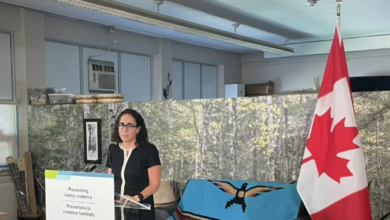
Governor Tiff Macklem didn’t sugarcoat anything during Wednesday’s press conference in Ottawa. His message was as clear as it was sobering: trade tensions, particularly with the United States, are far from settled, and trust once broken is not easily restored.
Let’s be honest. Canada’s economic fate is tightly woven into the fabric of U.S. trade policy. When that fabric begins to fray under the weight of tariffs and political posturing, it leaves Canada exposed. Macklem’s reference to the U.S. as “unpredictable” wasn’t just a diplomatic nudge it was a warning. And one Canadians should take seriously.
The decision to hold interest rates for a third consecutive policy meeting comes on the heels of a dramatic series of rate cuts seven in total spanning from June 2024 to March 2025. Those cuts were designed to breathe life back into an economy struggling under the weight of global instability. But now, the central bank is opting for a wait-and-see approach. Why? Because no one really knows what’s next.
Even the experts are admitting they’re in the dark. Derek Holt from Scotiabank put it bluntly: “The Bank of Canada continues to stand in the middle of the road and [is] blinded by the coming headlights.” That might sound dramatic, but it’s not wrong. From the trade war to stubborn inflation to weakened consumer confidence, the Bank is juggling risk on all sides.
For ordinary Canadians, this means one thing: don’t expect relief just yet. If you’re shopping for a mortgage, a car loan, or juggling a variable-rate credit line, those costs aren’t likely to drop anytime soon. Yes, we’re not seeing the same aggressive rate hikes we saw in 2022 and 2023, but “not getting worse” isn’t the same as “getting better.”
Royal Bank economist Claire Fan described the current climate best: “Today, the car is in neutral and the outlook is still hazy.” That’s the most accurate metaphor for where we are. We’re not in crisis mode anymore, but we’re certainly not accelerating. And without clarity on U.S. trade policy or any real resolution to the tariff threats we’re stuck idling.
Meanwhile, the Bank of Canada continues to stress its commitment to controlling inflation, keeping it between 1% and 3%. So far, tariffs haven’t significantly pushed prices upward, but businesses are feeling the pinch. Many are reporting increased operational costs due to shifting trade routes and supply chain changes costs that will eventually trickle down to consumers.
And while inflation expectations from businesses are cooling, households aren’t as optimistic. That disconnect between corporate sentiment and consumer experience creates even more volatility for policymakers trying to balance the two.
The big question now is whether the Bank will cut rates again this year. Macklem didn’t rule it out, but he didn’t promise it either. Instead, he raised a list of unanswerable questions: How much are tariffs hurting exports? How is that affecting household spending? Will inflation fall fast enough to justify further cuts?
These aren’t just academic inquiries they’re the exact uncertainties gripping the entire economy.
In the meantime, the Bank’s stance appears to be “do no harm,” and that’s not a bad thing. In a time when reckless moves could deepen instability, choosing caution is a form of strength. But let’s not mistake caution for confidence. The storm clouds of trade disruption haven’t cleared they’ve just paused above us, waiting.
As we look ahead to the fall, don’t be surprised if the Bank of Canada is forced to cut again. But for now, standing still might be the smartest move in a world where so much else is moving beyond our control.