Canada’s Calm Hand: Why Mark Carney Is Right to Talk Before Striking Back at U.S. Tariffs
Afroza Hossain
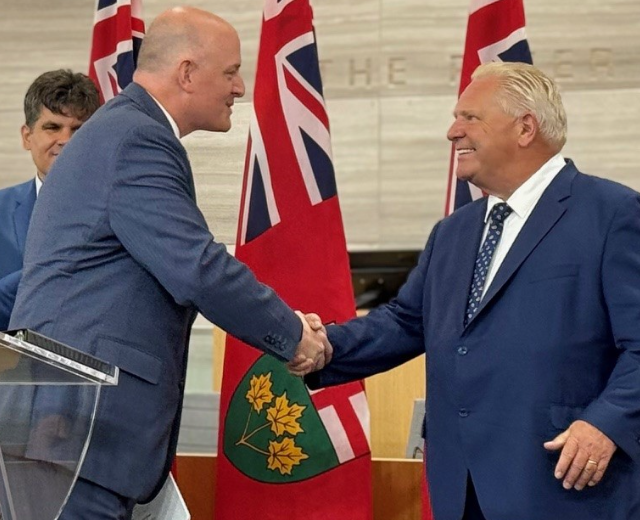
In the latest flare-up of U.S.-Canada trade tensions, Prime Minister Mark Carney has chosen diplomacy over retaliation and that’s exactly the kind of steady leadership Canada needs right now.
Speaking in Toronto ahead of a meeting with Ontario Premier Doug Ford, Carney made it clear that “there’s times to hit back and there’s times to talk, and right now is the time to talk.” It was a statement that reflects not weakness, but wisdom.
For months, U.S. President Donald Trump’s administration has ratcheted up tariffs on key global sectors steel, aluminum, lumber, and more with Canada repeatedly caught in the crossfire. While it’s understandable that Premier Ford wants a tougher response, threatening to cut off exports or impose new duties could escalate an already delicate situation and hurt Canadian workers in the process.
Carney’s approach, by contrast, is pragmatic. He’s focused on “deep negotiations” to secure tangible results for workers and industries rather than scoring political points. His meeting with Ford, and his commitment to keep the provinces informed, signals that the federal government is not acting in isolation it’s acting strategically.
Canada is not powerless. When Carney says there’s “times to hit back,” he’s acknowledging that retaliatory measures remain an option if talks fail. But striking prematurely could jeopardize progress in the ongoing negotiations on steel, aluminum, and energy talks that both sides, according to the Prime Minister’s Office, expect to wrap up soon.
Ford’s frustration is understandable. New U.S. tariffs on softwood lumber and furniture are already biting, and more on trucks and pharmaceuticals are coming November 1. But Canada’s previous experience shows that rushing to retaliate can backfire. In September, Ottawa wisely lifted $60 billion in counter-tariffs to reopen the door to meaningful dialogue. That decision set the stage for the current talks and, crucially, for next July’s review of the Canada-U.S.-Mexico Agreement (CUSMA).
Carney’s measured tone suggests a long game: strengthen Canada’s hand not through bluster, but through results. His view that diplomacy now will “help inform the CUSMA review” shows he’s thinking several moves ahead not just reacting to headlines.
At a time when protectionism and populist rhetoric are dominating global trade, Carney’s steady, constructive stance stands out. He’s betting that reason and resolve will serve Canada better than reaction and retaliation. And for a country that depends so deeply on its relationship with its southern neighbor, that might just be the smarter move.
Sometimes, restraint isn’t a sign of weakness it’s a mark of confidence.