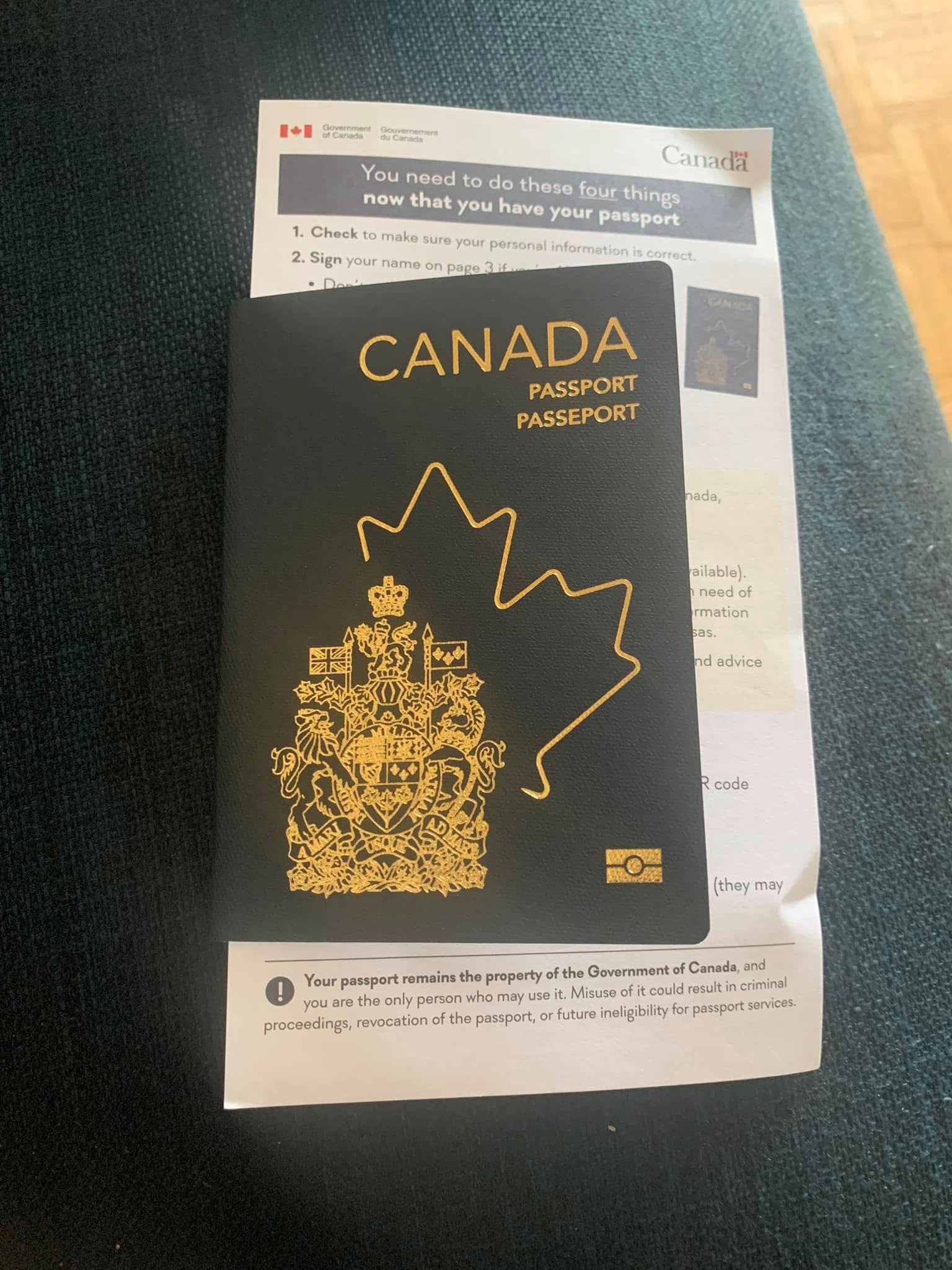
For years, Americans have taken pride in the global reach of their blue passports a symbol of freedom, opportunity, and influence. But in 2025, that dominance has quietly slipped. According to the latest Henley Passport Index, Canadian passport holders now enjoy greater visa-free access to the world than their American neighbors.
It’s a subtle but telling shift. Canada has climbed to 9th place, while the United States has fallen to 12th a gap that didn’t exist just a year ago, when both shared the same 7th spot. On the surface, the difference might seem minor. But in the world of global mobility, it’s a reflection of changing diplomatic dynamics and how countries are responding to evolving U.S. travel policies.
The reasons behind this shift are worth unpacking. Henley & Partners, which compiles the index, attributes part of the decline in U.S. ranking to reciprocal restrictions countries reacting to tougher American visa rules with their own entry requirements. Meanwhile, Canada’s more open and steady foreign policy has earned it smoother access to regions that have become trickier for Americans to enter.
For example, Canadians can visit Belarus, Papua New Guinea, and Uzbekistan visa-free, while U.S. travelers cannot. They also bypass visa-on-arrival processes in Bolivia and Rwanda, where Americans must still queue up with paperwork. These small differences add up both in numbers and in perception.
Interestingly, when the data is disaggregated, the contrast is even sharper: Canada sits at 32nd place for true visa-free travel compared to 37th for the U.S., while both shared 26th place last year. It’s not a collapse for the U.S., but it does highlight how the ease of American travel once taken for granted is no longer unrivaled.
Ultimately, this is about more than just border stamps. It’s a reflection of how countries view each other and how policy decisions ripple across the globe. Canada’s passport power mirrors its image as a cooperative, steady player in international relations, while the U.S., increasingly focused on border control and security vetting, faces the diplomatic consequences of its caution.
In the race for global mobility, the maple leaf now flies a little higher than the stars and stripes a quiet victory that says as much about diplomacy as it does about travel.