Canada Is Quietly Turning Away from the U.S. And It’s Not Just About Politics
Arafat Rahman
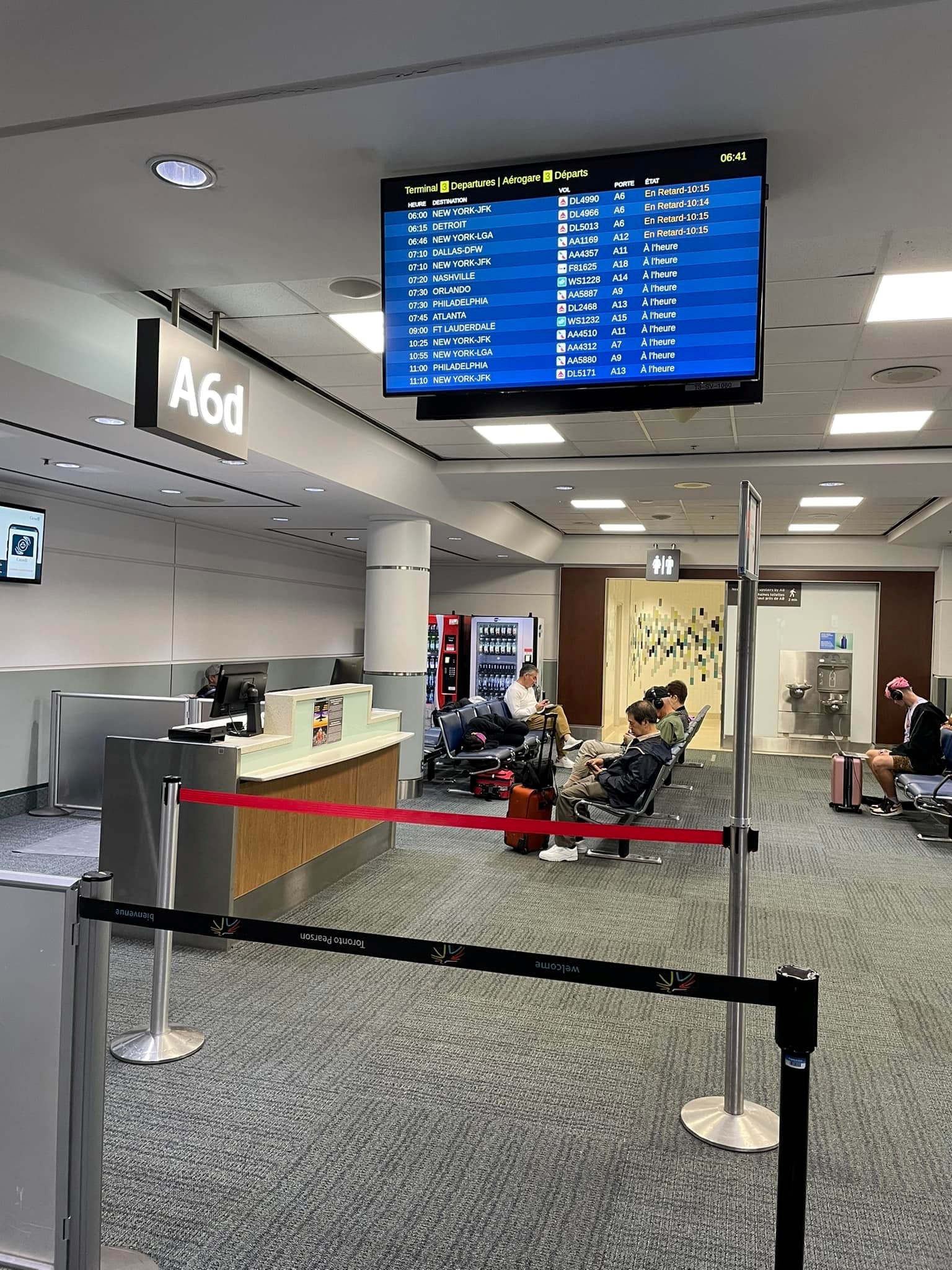
If you’ve been paying attention to cross-border travel lately, you’ll notice something remarkable: Canadians are steadily, and perhaps quietly, stepping back from visiting the United States. The latest Statistics Canada data confirms what many border towns, airlines, and travel agents have been sensing we’re in the middle of a long, deliberate slowdown.
July marked the seventh straight month of declines in Canadian travel to the U.S. The numbers are striking. Return trips by car were down 36.9% compared to July last year, and even air travel took a hit, with a 25.8% drop. In raw terms, that’s 1.7 million Canadians driving back from the States this July, compared to 2.6 million a year ago. Air travelers? Just 383,700 returns.
It would be naïve to think this is all about summer plans shifting. The timeline is telling the downturn began right at the start of 2025, coinciding with Donald Trump’s second inauguration. Since then, the U.S. president has made a series of aggressive economic moves toward Canada, including a jaw-dropping 35% tariff on goods outside the CUSMA framework. He’s also thrown around rhetoric about annexing Canada a statement many brushed off at first, but that lingers like a bad aftertaste.
The result? Canadians aren’t just avoiding shopping trips to Buffalo or quick jaunts to Vegas. They’re rethinking the entire relationship. Polling from Pew Research shows a subtle but important shift: while 55% still view the U.S. as our most important ally, 59% now consider it a threat. That’s not a small change that’s a cultural tremor.
Interestingly, while fewer Canadians are heading south, they’re not staying home entirely. Travel to overseas destinations actually rose 5.9% in July compared to last year. We’re still eager to explore just maybe not through a U.S. airport.
The same trend is showing up in reverse. More non-residents are coming to Canada, with overseas arrivals by air climbing 3.1%, reaching 1.4 million in July. But Americans arriving by car? Down 7.4%. Border towns that used to thrive on weekend tourism are now feeling the pinch.
This isn’t just a blip. Travel patterns often reflect the emotional and political temperature between countries, and right now, the thermostat between Canada and the U.S. is definitely cooling. Whether it’s resentment over tariffs, distaste for political theatrics, or simply finding friendlier horizons elsewhere, Canadians are voting with their passports and fewer of those votes are going to America.
If Washington is paying attention, they should be worried. Friendships, like trade deals, can fray over time. And once Canadians get used to skipping that weekend trip south, it’s not so easy to get them back.


![Three smiling women sit on a colorful padded floor, posing with a large sign that reads Canada Child Benefit and its French translation, in a community setting with a pillow saying This Classroom Runs on Kindness nearby.]','Three women pose for a group photo indoors, holding a white board about the Canada Child Benefit and its French equivalent, with colorful circles in the design and a kindness-themed cushion nearby.'] }``` Wait formatting wrong. We must provide proper JSON. Let's craft properly. Provide 5 options. Ensure no stray quotes. Let's produce proper JSON. Use single quotes in descriptions? Must be double quotes. I'll provide array of strings. Ensure no stray characters. Let's do. } For safety. Let's output.} Let's craft final.} Wait earlier included typos. Let's deliver.]]>](https://www.thesouthasiajournal.com/wp-content/uploads/2026/07/12-2-390x220.jpg)