Bike Share Toronto’s Record Rides Show Success, But Can It Pedal Past Its Financial Struggles?
Abdur Rahman Khan
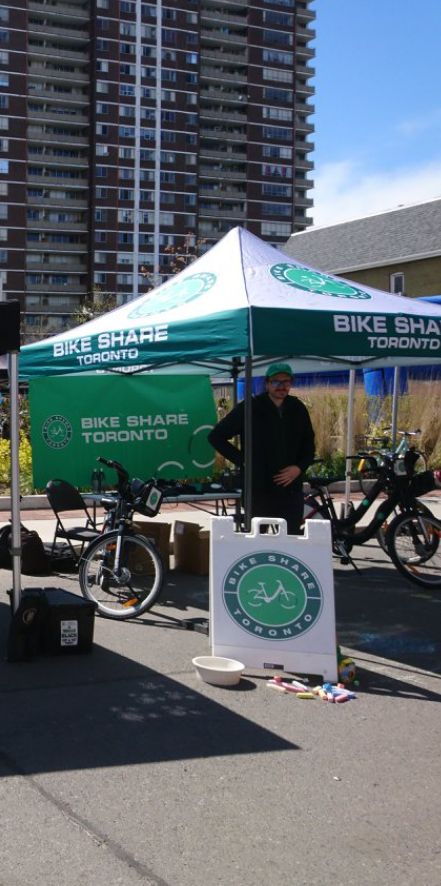
Bike Share Toronto is having a banner year. With an expected 8.1 million rides in 2025 the most in its history the city’s public bike rental network is proving that when it comes to urban mobility, Torontonians are more than willing to ditch the car and grab the handlebars.
That kind of momentum doesn’t happen by accident. In July and August alone, more than a million rides were taken each month a remarkable feat that signals how deeply Bike Share has embedded itself into the rhythm of city life. Nearly 200,000 new users signed up this year, many of them likely drawn by the convenience, affordability, and sheer joy of cycling through Toronto’s expanding network of bike lanes.
It’s easy to see why this success story resonates. What started as Bixi Toronto in 2011, with just 1,000 bikes scattered around the downtown core, has grown into a 10,000-strong fleet with more than a thousand stations across all 25 wards even extending to the Toronto Islands. The system is no longer just a downtown novelty; it’s a legitimate transportation network that connects neighbourhoods, shortens commutes, and offers a greener alternative to gridlock.
But there’s a catch and it’s a big one. Despite its popularity, Bike Share Toronto continues to operate at a financial loss. In 2024, it earned $13.4 million in revenue but spent $16 million to keep the wheels turning. While revenue is improving, the gap raises an important question: can the program sustain itself without continuous public investment?
The Toronto Parking Authority (TPA), which runs Bike Share, believes the answer lies in electrification and smarter integration. About 20 per cent of the fleet is now made up of e-bikes, and riders clearly love them there were 1.1 million e-bike trips in 2024, a staggering increase from just 89,000 two years earlier. Electrification isn’t just a luxury; it’s the future of micro-mobility. Faster, easier rides attract more users, and more users mean more revenue at least in theory.
Still, the financial math won’t fix itself. Collier and his team have the tough job of balancing accessibility and affordability with fiscal responsibility. Their upcoming multi-year strategy, due in December, will need to tackle not only how to expand but how to do so sustainably. That means exploring partnerships with schools and universities to get young riders on board, better integration with public transit, and creative revenue streams beyond user fees such as sponsorships, grants, and co-investments with the city’s infrastructure projects.
The truth is, Bike Share Toronto isn’t just a transportation service it’s a public good. It supports the city’s TransformTO climate goals, reduces traffic congestion, and promotes healthy, active living. The benefits ripple far beyond the balance sheet.
Toronto has a chance to turn Bike Share into a global model for sustainable urban mobility but only if it treats it as an essential piece of city infrastructure, not a profit-driven enterprise. If we believe in a cleaner, more connected Toronto, then supporting Bike Share’s growth isn’t an expense it’s an investment in the kind of city we all want to live in.