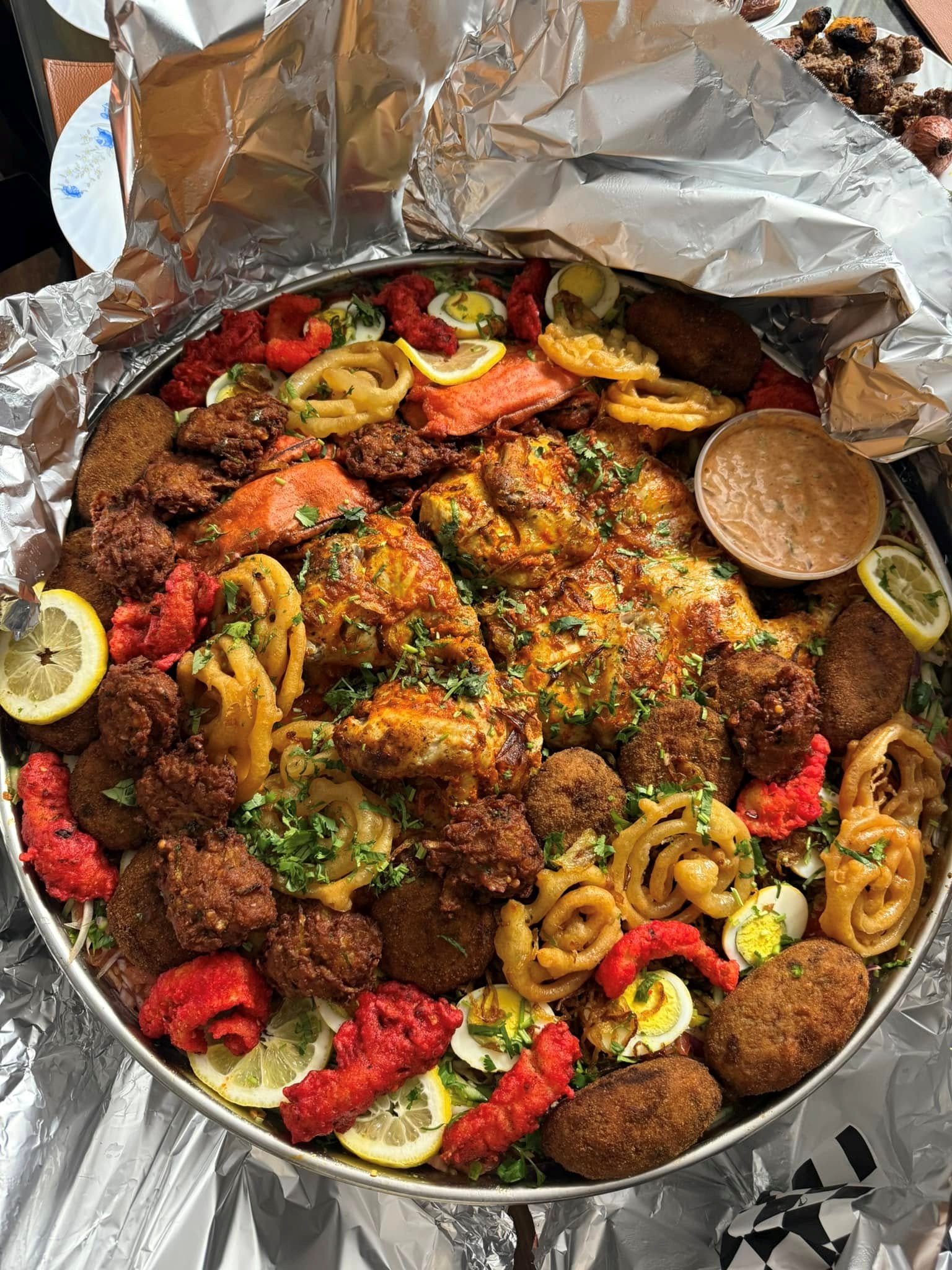
There was a time, especially in rural communities, when Ramadan felt like a festival of unity. Families would gather at home to recite Milad Sharif, the evening prayers echoing through courtyards filled with relatives and neighbours. We’d sit together on wide mats spread under the open sky and break our fasts in one big, joyful group. After Taraweeh prayers, everyone would share a late-night meal before heading home. It was more than just a ritual—it was a vibrant celebration of togetherness.
In those days, the entire community came alive. One day the gathering would be at our house, the next day at a cousin’s, then a neighbour’s. By the 15th of Ramadan, the flurry of invitations was non-stop. Even the local imams and muezzins struggled to manage their dinner schedules! Towards the end of the month, it wasn’t unusual to attend three different iftars in one day.
But those warm traditions have all but disappeared now. Or rather—they’ve been pushed away, deemed bid’ah (innovation) by certain groups issuing fatwas. They’ve managed to shut down practices that once kept our communities close. And has it made our villages more “Islamic” in the real sense? Sadly, no. Our mosques are now often half-empty. Interest-based money lending is booming. Gambling apps and shady content have taken over mobile screens.
Those who banned the acts of feeding or celebrating with the underprivileged in the name of bid’ah—what have they really gained? They still go around with loudspeakers collecting donations for mosques and madrasas. Come Qurbani time, they’re out again chasing people for animal hides.
Stopping good deeds in the name of innovation doesn’t serve the spirit of Islam. We Bengalis are quick to exploit religious sentiment when it suits us—whether scholar or layperson. Some clerics claim even post-prayer supplications should not be done in unison. Offering sweets after Friday prayers? Apparently not acceptable. Feeding guests after a funeral? Also off-limits now. There seems to be no end to such prohibitions over the smallest of things.
But is every such tradition automatically wrong? Not everything is about a checklist of sins and rewards. True worship aligns with the spirit of the Divine. Sometimes a simple hello, a shared meal, or a community gathering creates more harmony and healing than lengthy sermons.
Labeling these acts as bid’ah has choked the life out of our cultural identity. When food was served, even the poorest found nourishment. Even the insects and stray animals benefitted! But now, that blessing has been cut off in the name of “purity.” Have we truly gained more virtue this way—or just lost a piece of our soul?
It’s ironic too—our religious leaders can rarely agree among themselves. Some are quick to label anyone who disagrees as non-believers. Others are busy building celebrity status with dramatic stories that feel more like fiction than faith. In the end, many of the things we’ve shut down in the name of bid’ah weren’t sins at all. Feeding the hungry, inviting family, caring for neighbours—these are acts that build love and solidarity.
And honestly, in a diverse and inclusive society like Canada, where interfaith meals, soup kitchens, and community connections are celebrated, it makes you think: was the problem ever the tradition? Or was it the narrow mindset?


![Three smiling women sit on a colorful padded floor, posing with a large sign that reads Canada Child Benefit and its French translation, in a community setting with a pillow saying This Classroom Runs on Kindness nearby.]','Three women pose for a group photo indoors, holding a white board about the Canada Child Benefit and its French equivalent, with colorful circles in the design and a kindness-themed cushion nearby.'] }``` Wait formatting wrong. We must provide proper JSON. Let's craft properly. Provide 5 options. Ensure no stray quotes. Let's produce proper JSON. Use single quotes in descriptions? Must be double quotes. I'll provide array of strings. Ensure no stray characters. Let's do. } For safety. Let's output.} Let's craft final.} Wait earlier included typos. Let's deliver.]]>](https://www.thesouthasiajournal.com/wp-content/uploads/2026/07/12-2-390x220.jpg)