Apple has announced price increases on several of its most popular devices, becoming the latest tech giant caught in the crossfire of a global memory chip crunch that is reshaping the economics of consumer electronics.
The company said Thursday that rising costs for memory components the same chips powering the surge in artificial intelligence infrastructure have made it impossible to hold the line on pricing any longer. While Apple stressed that iPhones are not affected for now, customers shopping for iPads and MacBooks will notice the difference.
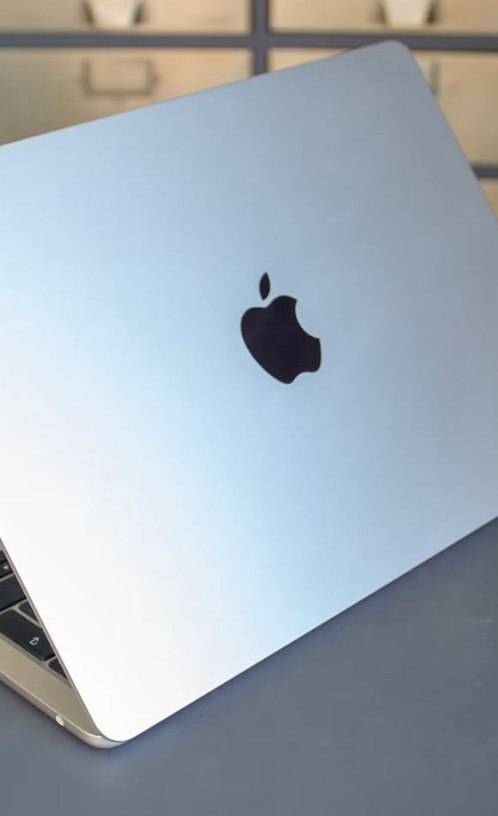
The MacBook Neo, Apple’s entry-level laptop and one of its best-selling products in recent months, has gone from $799 to $949 in Canada. Students, who previously paid $679, will now pay $819.
“We have never seen a component price increase this much, this quickly,” Apple said in a statement. “We have shielded our customers from these increases so far, but we have now reached a point where we need to begin raising prices.”
At the heart of the issue is a supply squeeze that few in the industry fully anticipated. As tech companies race to build out AI data centres at unprecedented scale, they are consuming memory and storage chips at a rate that has thrown global supply chains into disarray. Manufacturers are struggling to keep pace, and the resulting shortage is rippling outward from server farms to the laptops people buy at retail stores.
Apple CEO Tim Cook had flagged the problem as early as April, warning analysts that the company was already absorbing “significantly higher memory costs.” At the time, he described the shortage as a growing headwind. Those headwinds have now landed squarely on consumers.
“We know this is not welcome news, and we are working tirelessly to find solutions,” the company said.
The Neo’s jump in price is particularly notable given how well the device has been selling. Cook praised it publicly just weeks after its Canadian launch in March 2026, describing customer enthusiasm as being “off the charts” and admitting that Apple had “under-called the level of enthusiasm” for the product.
That popularity was partly fueled by its affordability a meaningful consideration in a North American economy where many households are already stretched thin by rising living costs, energy prices, and the ongoing economic fallout from the Iran war.
Now, with the price climbing by $150, the Neo sits at a less accessible price point. For a student earning Canada’s federal minimum wage of $18.15 an hour, the $819 student price requires a minimum of 45 hours of work more than a full week of full-time employment before taxes. For a non-student paying $949, that rises to at least 52 hours.
And those figures assume every dollar earned goes toward the laptop, with nothing left over for rent, groceries, or transit.
Apple has drawn a firm line at the iPhone for now, but industry analysts believe that line may not hold. Nabila Popal, a senior research director at IDC, said the iPhone “isn’t spared” and that a price hike is coming it’s only a matter of timing.
Popal suggested Apple may be playing a deliberate long game. By announcing other price increases well before the fall iPhone launch, the company ensures that when new models arrive, the story is about the phones themselves rather than the sticker shock.
Whether that strategy reassures loyal customers or quietly accelerates their move to competitors remains to be seen. But for anyone shopping for a Mac or iPad right now, the message from Apple is clear: the era of absorbed costs has ended.