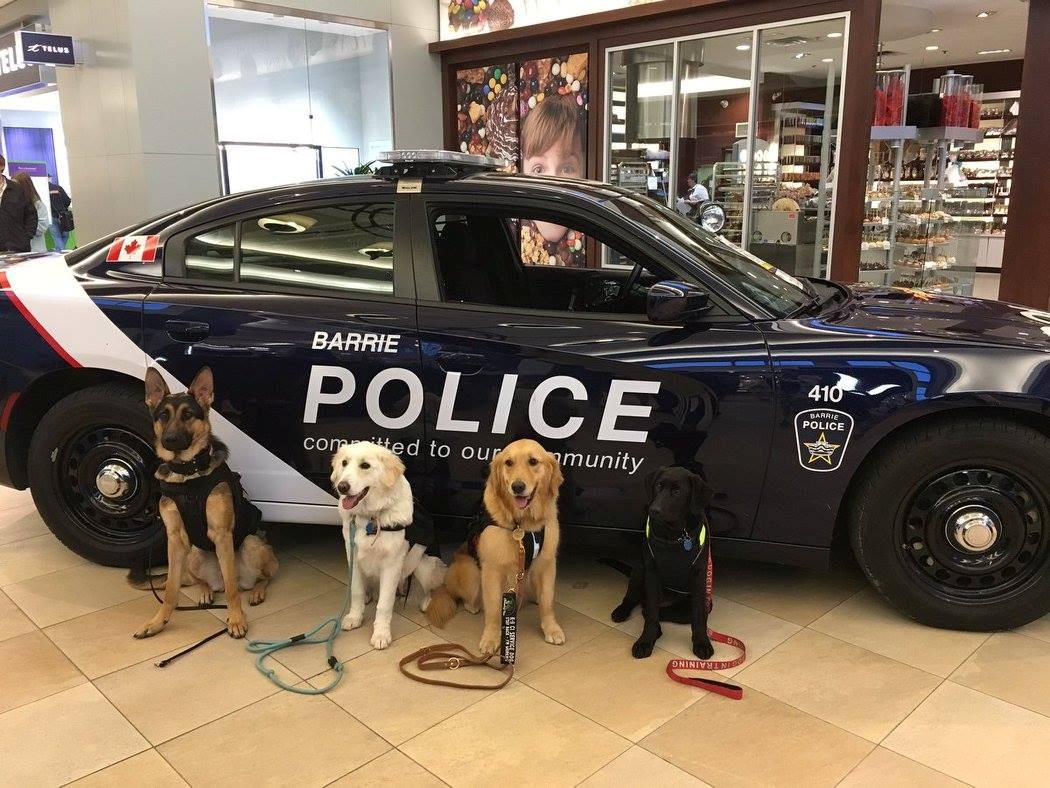
By piloting a virtual call response program for non-emergency calls, Barrie police are quietly testing what could become a major shift in how Canadians interact with law enforcement. I think they’re on to something.
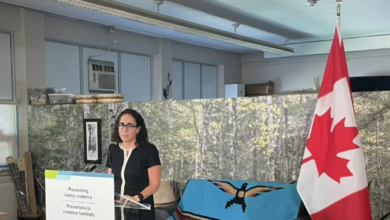
Here’s the situation: instead of waiting hours for a cruiser to arrive, certain callers can now speak face-to-face with an officer through a secure video chat. No flashing lights in the driveway. No awkward hallway walk through a station. Just a private conversation from a smartphone. Sgt. Bill Grant, the lone officer running Barrie’s pilot, says he can offer victims immediate relief something that matters when emotions are high and waiting can feel endless.
It’s not just about speed. Privacy matters too. For victims of assault or intimate partner violence, avoiding the public spectacle of a police car can make reporting safer and less intimidating. London, Ont., has already seen encouraging results from a similar program for domestic violence calls: 95 percent of participants said they were satisfied or extremely satisfied with the virtual response. That’s not a statistic to ignore.
Critics might worry about losing the reassuring presence of an officer on the doorstep. But the safeguards are there officers can see your location in real time and dispatch help instantly if things escalate. The truth is, for many non-emergencies, a physical visit isn’t always necessary.
Of course, a program like this needs careful oversight. Technology must stay secure. Officers need training to read subtle cues over a screen. And communities must still have enough on-the-ground policing to respond to true emergencies.
But if Barrie’s trial proves successful, it could free up resources, cut response times, and give victims the choice of how they want to be heard. That sounds less like a gimmick and more like progress. In a world where nearly everything else has gone virtual, maybe it’s time policing caught up thoughtfully, and with victims’ needs front and center.