Canada’s Highest Civilian Honour Faces Reckoning Over Colonial Legacy, Indigenous Voices Say
Abdur Rahman Khan
Canada’s most prestigious civilian award is under scrutiny, as Indigenous community members push the federal government to confront what they describe as the “deep colonial symbolism and associations” embedded in the Order of Canada an honour that has existed for nearly six decades but, some argue, was never truly built with them in mind.
An internal government presentation obtained by The Canadian Press through Access to Information legislation reveals that Ottawa has been quietly gathering feedback on how to modernize the country’s honours system. The April document, prepared for the Order of Canada Advisory Council, lays bare a tension that goes to the heart of how Canada defines achievement and who gets celebrated for it.
For some Indigenous people, the presentation found, simply accepting the honour “could bring feelings of discomfort or shame” because of its ties to colonial history. Yet others see an opening a chance to use the Order of Canada as a vehicle for reconciliation, a platform to lift up Indigenous strength and resilience on a national stage.
At the core of the tension is a fundamental disagreement about what achievement actually means.
Researchers from the Privy Council Office’s Impact and Innovation Unit gathered community views at an urban Indigenous summit in December and at an Indigenous history and heritage gathering in March. What they heard challenged the individualistic framework underpinning the Order of Canada, which has recognized more than 8,300 Canadians since its creation in 1967.
Indigenous participants described merit not as personal distinction, but as something earned through collective contribution. Sharing land-based knowledge. Supporting Elders and mentoring youth. Advocating for equity and amplifying marginalized voices. Preserving culture through storytelling and creativity. Lifting up youth who work toward reconciliation.
“Indigenous perspectives often privilege honouring the contributions of communities as a whole, where community and collective impact matter more than individual distinction,” the presentation states.
That framing sits uncomfortably alongside an honour system specifically designed to single out individual Canadians a structure that, the document acknowledges, does not always align with how many Indigenous communities understand or value achievement.
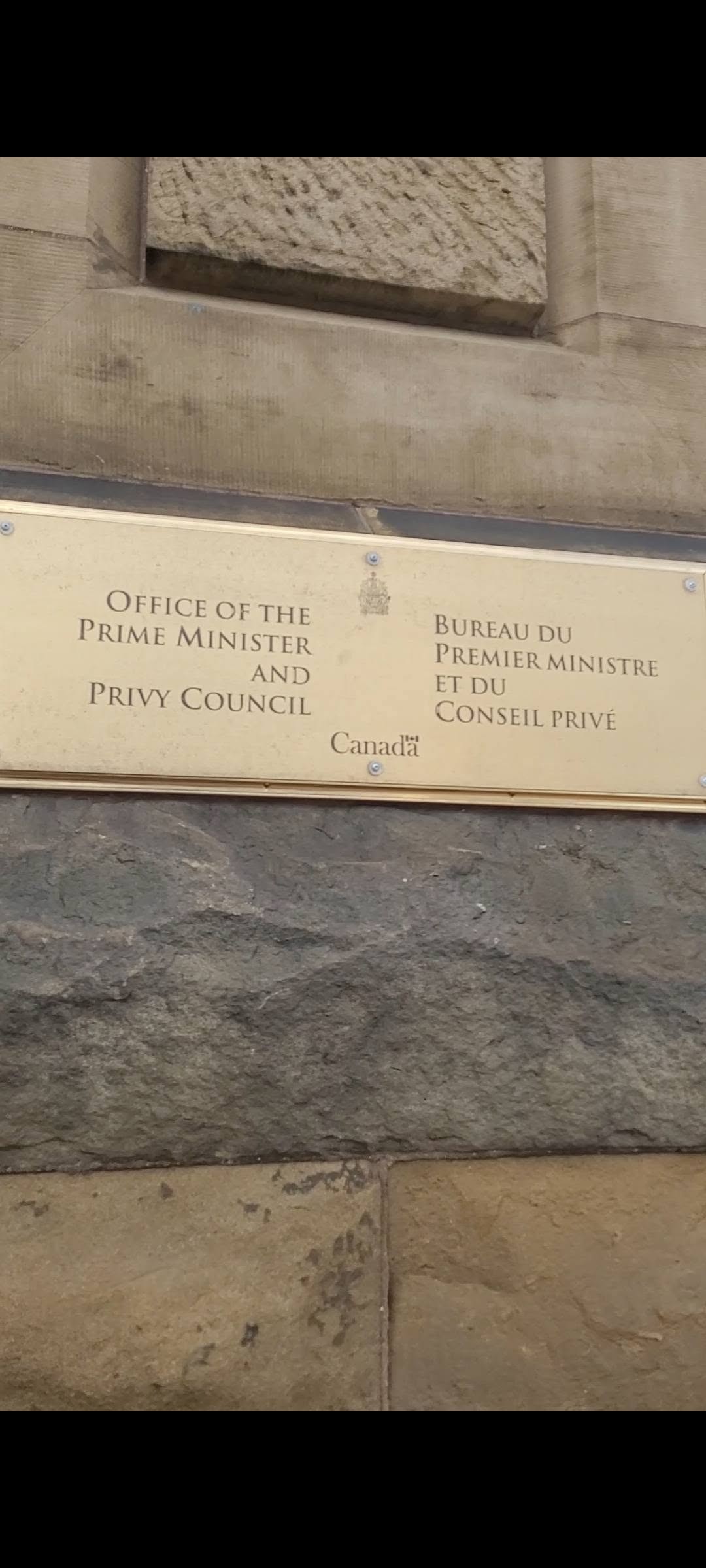
The concerns aren’t only philosophical. A companion memo prepared for Privy Council Clerk Michael Sabia the country’s top public servant points to a number of practical problems corroding public trust in the nomination process itself.
Researchers found that nomination guidelines are unclear, pushing applicants into guesswork about what information is actually required. Once a nomination is submitted, it disappears into what the memo calls a “black box,” with little to no communication about what happens next. That opacity, the document warns, is fuelling “dissatisfaction and lack of trust” among nominators.
Internally, staff at the Chancellery of Honours are also stretched thin, spending disproportionate time reviewing submissions that have little realistic chance of advancing largely because clear triage criteria don’t exist.
Pierre-Alain Bujold, a Privy Council Office spokesman, said the government is working to address these shortcomings. “This work includes but is not limited to discussions with First Nation, Métis and Inuit individuals and organizations where we are working to collect evidence that meaningfully represents the views of our Indigenous partners,” he said in a written statement.
The Privy Council Office is expected to deliver its final report to the Office of the Secretary to the Governor General at the end of next month, with plans to extend engagement to other under-represented groups, including visible minorities.
One notable omission from the released documents caught the eye of Andrew Griffith, a former federal public servant who has spent years compiling data on Order of Canada recipients.
Women, he noted, are conspicuously absent from the modernization conversation despite being significantly underrepresented among recipients. According to Griffith’s data, women made up just 34.5 per cent of Order of Canada recipients between 2013 and 2024, even though they represent 51 per cent of Canada’s population. That figure crept up only slightly, to 36.8 per cent, last year.
“But it’s still striking that they haven’t been able to really move the needle all that much,” Griffith said in an interview, adding that the gap likely reflects broader patterns of women being underrepresented in senior leadership across most sectors of society.
Still, he said he was surprised the newly released documents make no mention of the issue at all.
The Order of Canada, presented by the Governor General, is open to any living Canadian through public nominations. It remains one of the country’s most recognizable symbols of public service and national contribution.
But as Canada continues to grapple with its colonial past and the ongoing work of reconciliation, the question of who that symbol truly belongs to and who it was designed for is no longer being left unasked.
The government says conversations with Canadians, including Indigenous peoples, are ongoing. What shape those conversations ultimately take, and whether they lead to meaningful structural change, remains to be seen.