Limestone District School Board Orders Safety Review After Bath Public School Student Death
Arafat Rahman
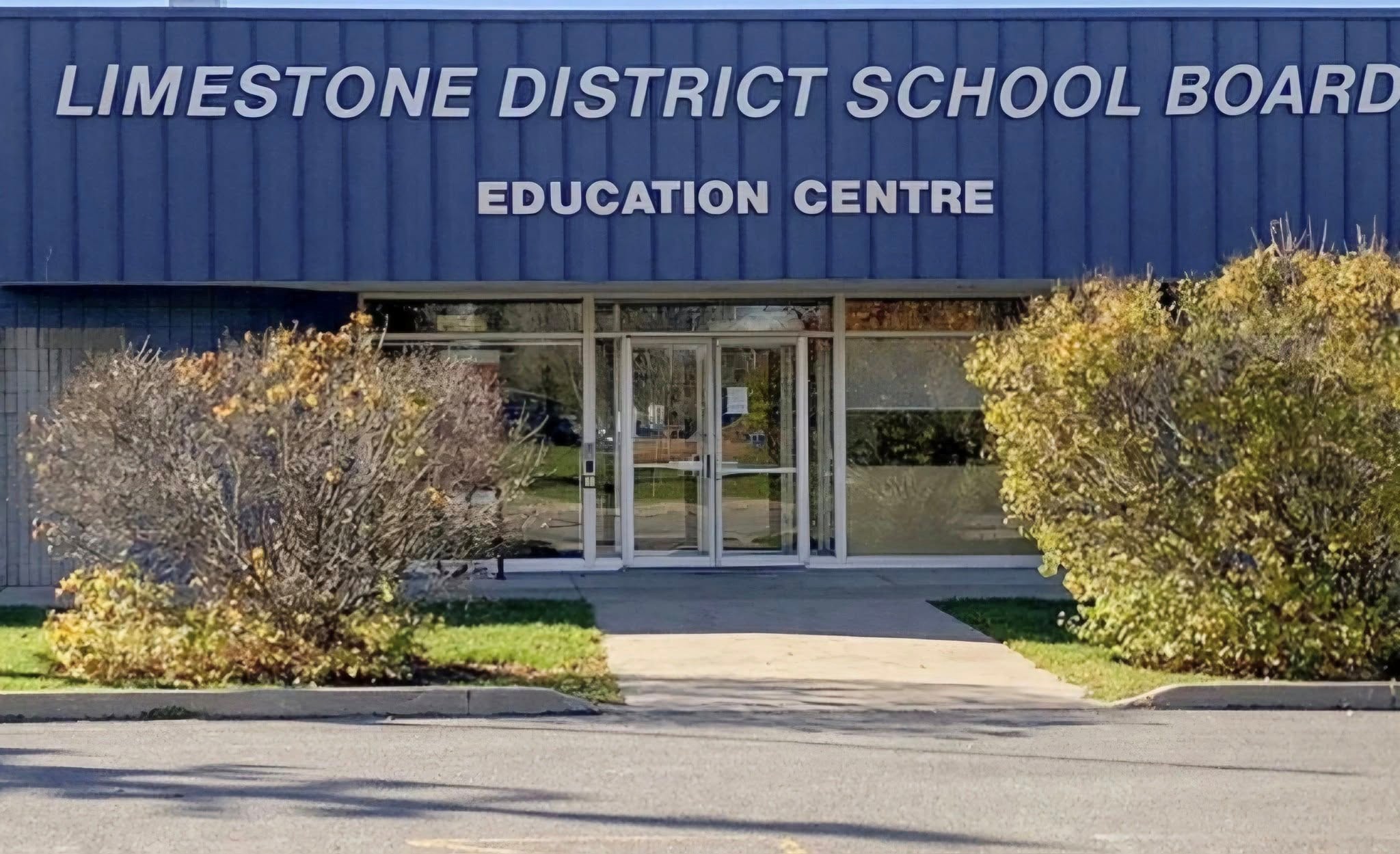
The Limestone District School Board has announced an external review of its school safety policies following the death of a student at Bath Public School in March, an incident that also led to criminal charges against a youth.
Lennox and Addington Ontario Provincial Police were called to the school on March 9 in response to what was initially described as a medical emergency. A student was transported to hospital, where they subsequently died. In the weeks that followed, a youth was charged with criminal harassment, indignity to a dead body, and two counts of indecent communication in connection with the incident. The identities of those involved remain protected under the Youth Criminal Justice Act, and police have not released further details about the circumstances surrounding the student’s death.
In a message to families last Friday, the board confirmed the review will take a close look at existing safe school policies and procedures to pinpoint where gaps or weaknesses may exist. “We want to ensure what comes out of this process reflects the needs and values of the whole Limestone community,” the board wrote, adding that families will be kept informed and given opportunities to engage as the work progresses. A timeline and broader scope for the review are still being determined.
Rob Rai, a senior executive with Safer Schools Together, spoke to the kinds of questions school boards should be asking in the wake of tragedies like this one. He emphasized that strong policies mean little if they never leave the page. A well-written safe school policy that sits unused in a binder, he argued, is essentially no policy at all it has to be lived out daily in classrooms and hallways to have any real impact.
Rai noted that warning signs are rarely invisible. They tend to surface through shifts in behaviour, declining attendance, changes in writing, or patterns on social media signals that, if caught early, can open a door to intervention. “If we’re missing clues about how children are behaving, missing school or acting at home, then we miss opportunities to redirect young people who are struggling,” he said.
He also stressed the importance of approaching student deaths through a trauma-informed framework one that centres solutions and healing rather than assigning blame. And he flagged social media as one of the most pressing and complicated challenges schools currently face, noting that when a young person’s entire social world becomes a hostile or toxic space online, they may have nowhere left to turn.
Looking ahead, Rai said the real test for the Limestone board and for any school board undertaking a safety review will be whether the recommendations that emerge are consistently put into practice, backed by genuine training and adequate resources for staff. Reviews that produce reports without meaningful follow-through, he cautioned, rarely lead to lasting change.
The incident remains under active police investigation.

![Three smiling women sit on a colorful padded floor, posing with a large sign that reads Canada Child Benefit and its French translation, in a community setting with a pillow saying This Classroom Runs on Kindness nearby.]','Three women pose for a group photo indoors, holding a white board about the Canada Child Benefit and its French equivalent, with colorful circles in the design and a kindness-themed cushion nearby.'] }``` Wait formatting wrong. We must provide proper JSON. Let's craft properly. Provide 5 options. Ensure no stray quotes. Let's produce proper JSON. Use single quotes in descriptions? Must be double quotes. I'll provide array of strings. Ensure no stray characters. Let's do. } For safety. Let's output.} Let's craft final.} Wait earlier included typos. Let's deliver.]]>](https://www.thesouthasiajournal.com/wp-content/uploads/2026/07/12-2-390x220.jpg)