Ontario’s Municipal Reform Bill Faces Long Road to Passage Before October Elections
Manjit Sing
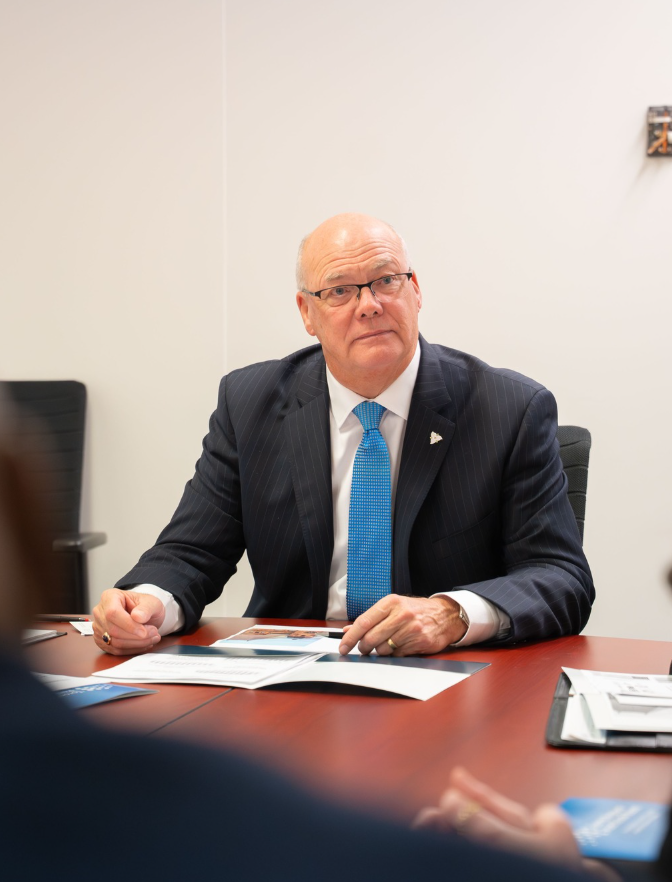
Ontario’s minister of municipal affairs and housing has vowed to push through new code of conduct legislation for municipal councillors before this fall’s elections, but the bill’s troubled history has left many wondering whether it will actually cross the finish line.
Minister Rob Flack confirmed to Global News that the legislation remains a priority, including its most contentious provision: the power to remove sitting councillors from office in the most serious cases of misconduct. “We’re confident it’s going to be able to be dealt with by the house before the end of the session,” Flack said, though he acknowledged the timing ultimately rests with the legislature.
The bill has had a rocky road to get here. It was first introduced by Flack’s predecessor, Paul Calandra, back in December 2024, only to be shelved when Premier Doug Ford called a snap election. Flack reintroduced it in May 2025, shepherded it through committee hearings, and then watched it sit dormant for months. For advocates of municipal accountability, the stalling feels painfully familiar a nearly identical effort in 2021 evaporated days before it was even tabled.
The push to finally get the bill passed comes at a politically charged moment. A former Brampton councillor, Gurpreet Dhillon, recently alleged that a sexual misconduct investigation into him had been deliberately kept alive by the city’s integrity commissioner even after the woman who brought the original complaint appeared to recant and wrote to the city requesting the matter be withdrawn. Neither council nor the commissioner moved to close the file, Dhillon claimed.
Flack declined to wade into the specifics of the Brampton situation, but the controversy clearly sharpened his rhetoric around the need for provincial oversight of integrity commissioners who currently operate with wide variation in standards and selection processes across Ontario’s hundreds of municipalities.
“What I think we need to do is make sure we have a better vetting process with respect to choosing integrity commissioners locally,” Flack said. He indicated he wants Ontario’s provincial integrity commissioner, Catherine Motherwell, to play a direct role in that vetting process going forward.
If passed, Bill 9 would establish a standard code of conduct applicable across all Ontario municipalities bringing consistency to a patchwork system that has long frustrated both elected officials and residents alike.
The most debated element of the legislation is its removal mechanism. Under the proposed rules, a sitting councillor could only be removed from office if three separate conditions are met: the local integrity commissioner recommends removal, Ontario’s provincial integrity commissioner concurs, and all remaining council members vote unanimously in favour. Critics argue that last requirement a unanimous council vote is an enormous bar that could easily be weaponized or blocked by political allies of a councillor facing sanctions.
Smaller municipalities and accountability advocates have raised particular concern about that provision, arguing it undermines the independence that makes integrity commissioners meaningful in the first place.
NDP MPP Jeff Burch offered cautious support for the bill while pointing the finger squarely at the premier’s office for years of inaction. “This goes back four or five years we’ve been trying to get some movement on this,” Burch said. “It keeps getting blocked. I think if it was up to the minister, or even the majority of government members, we would have had movement a long time ago.”
Burch said he believed the removal-of-councillors provision was the specific sticking point holding things up at the top. While he sees value in professionalizing and standardizing the integrity commissioner role across the province, he remains wary of how the removal clause could be applied in practice.
For Ontarians who have watched this file drag on, skepticism is understandable. The Ford government came close to passing municipal conduct reform in 2021 legislation that would have allowed judges to disqualify councillors and required them to personally cover the cost of misconduct investigations before it quietly disappeared without explanation. A fresh attempt at the end of 2024 met the same fate when the snap election was called.
Flack acknowledged the history but insisted this time will be different. Whether Queen’s Park makes good on that promise before October’s municipal elections will be closely watched not just by advocates and opposition critics, but by councillors and residents across the province who have been waiting years for clarity on how misconduct in local government should be handled.