Gas Prices Surge Across Canada Amid Middle East Tensions, Straining Household Budgets By Staff Reporter
Manjit Sing
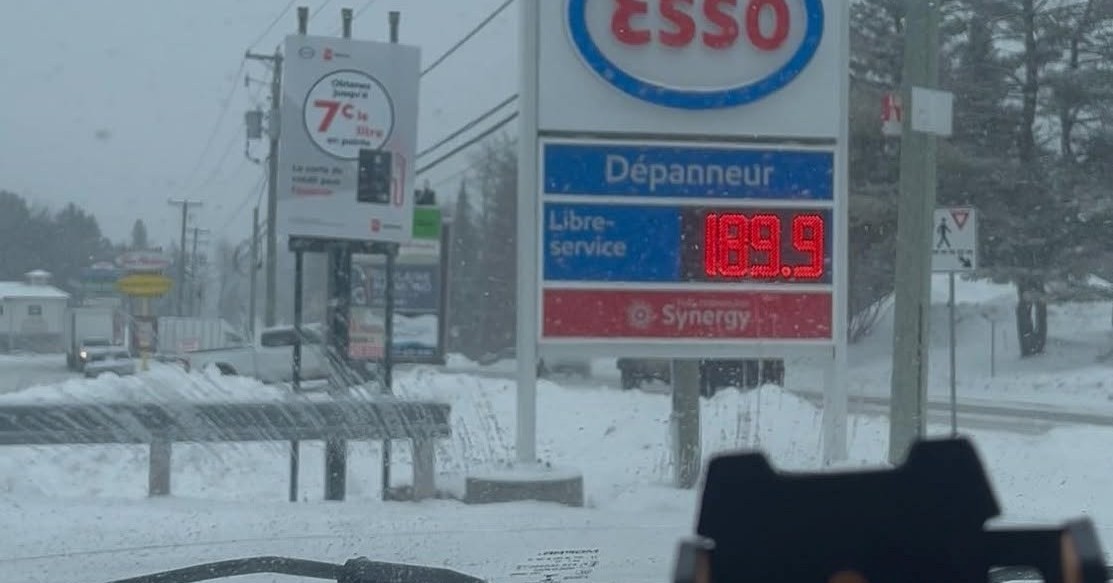
Gasoline prices across Canada have risen sharply in recent weeks, driven largely by escalating tensions in the Middle East and growing concerns over global oil supply. With the national average for regular fuel nearing $1.70 per litre up significantly from around $1.28 just a month ago many Canadians are feeling the pinch as the cost of living continues to climb.
For everyday drivers, the increase translates into an additional $20 to $25 each time they fill up their tanks, placing further pressure on household finances already stretched by inflation.
Price variations remain significant across provinces and territories. British Columbia continues to see some of the highest fuel costs in the country, while Alberta remains among the lowest. According to GasBuddy, average prices range from about $1.58 per litre in Alberta and Saskatchewan to nearly $1.92 in British Columbia, with several regions exceeding $1.80.
Experts say the primary driver behind the surge is geopolitical instability, particularly the ongoing conflict involving Iran. The situation has disrupted one of the world’s most critical oil transit routes the Strait of Hormuz which typically handles roughly 20 percent of global oil shipments. Fears of supply constraints have pushed crude oil prices close to US$100 per barrel, a steep jump from approximately US$64 before the conflict intensified.
“Most of the recent increase is directly tied to the situation in the Middle East,” said petroleum analyst Patrick De Haan. “With tensions escalating and key supply routes affected, oil markets are reacting strongly.”
Seasonal factors are also contributing to the upward trend. As refineries undergo routine maintenance ahead of the busy summer driving season, fuel production temporarily declines. At the same time, demand begins to rise as warmer weather encourages more travel. These annual factors typically add between five to 15 cents per litre, though current price hikes are largely attributed to global tensions.
With no immediate resolution to the conflict in sight, it remains uncertain how high fuel prices could climb. Analysts suggest that prices may stabilize only if global oil demand decreases or supply levels improve.
In the meantime, consumers are being encouraged to adopt fuel-efficient driving habits to manage costs. Simple changes such as avoiding aggressive acceleration, maintaining steady speeds, and reducing highway speeds slightly can help improve fuel economy over time.
As Canadians navigate these rising costs, the outlook for relief at the pump remains closely tied to developments on the global stage.