Advocates Urge Canada to Launch Independent Probe Into Death of Woman Detained After Syria Camp Escape
Syed Azam
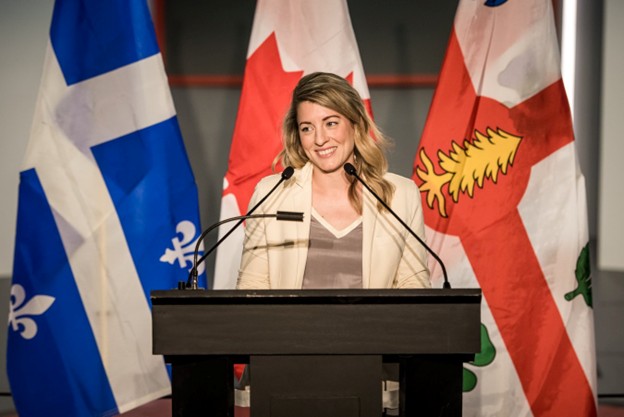
Human rights advocates and legal experts are calling on Foreign Affairs Minister Mélanie Joly to immediately order an independent and impartial investigation into the death of a Canadian woman who died in Turkey after the federal government declined to help her return to Canada from a Syrian detention camp.
In a letter sent to Joly on Oct. 24, Senator Kim Pate, human rights advocate Alex Neve, and lawyer Hadayt Nazami expressed deep concern over the circumstances surrounding the death of the woman, publicly identified only as F.J.
The Quebec-born woman, 40, died unexpectedly earlier this month while in Turkish custody. Her death came months after she escaped from the al-Roj detention camp in northeastern Syria, which is operated by Kurdish authorities who reclaimed the area from the extremist group Islamic State of Iraq and the Levant.
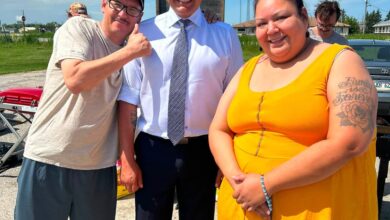
Pate, Neve and Nazami were part of a delegation that visited F.J. and her six young children in the Syrian camp in August 2023. According to the letter, while the Canadian government later assisted in repatriating the children, it refused to extend the same support to their mother, citing security concerns.
Lawyer Lawrence Greenspon, who has been assisting the family, said the government’s position left F.J. facing an impossible decision: send her children alone to Canada or keep them with her in harsh and unsanitary camp conditions.
Federal officials ultimately facilitated the children’s return to Canada in May. They are now in foster care.
The letter states that F.J. fled al-Roj in March and crossed into Turkey, where she was detained by authorities three months later. She was held at the Tarsus Closed Women’s Prison, roughly five hours from Ankara.
Advocates say she received at least two visits from Canadian consular officials in July and October, and may also have been interviewed by officers from the Royal Canadian Mounted Police during her detention. The letter claims that following one of these visits, her mental health deteriorated sharply and she became severely depressed.
On Oct. 15, a Turkish court acquitted F.J. of charges alleging membership in an armed terrorist organization. She was then transferred to an immigration holding centre. Two days later, on the morning of Oct. 17, her body was discovered by her Turkish lawyer.
According to information shared with the advocates, Turkish officials indicated the cause of death was a heart attack. However, the letter notes that, to their knowledge, no autopsy was conducted.
Greenspon said efforts were underway to secure emergency travel documents for F.J. so she could return to Canada before her death.
“This is a tragedy that should never have happened,” he said in an interview. “There are serious questions that need clear answers.”
The advocates argue that the investigation must be independent and cannot be conducted by Canadian consular officials or the RCMP due to potential conflicts of interest. They are urging the federal government to act quickly while witnesses and evidence remain accessible.
Joly’s office did not provide an immediate response to requests for comment.
The letter concludes that the woman’s death is not only a profound loss, but one that will have lasting consequences for her six children, now back in Canada without their mother.