Canada’s Restaurant Reckoning: Why 4,000 Closures May Be Painful but Inevitable
Arafat Rahman
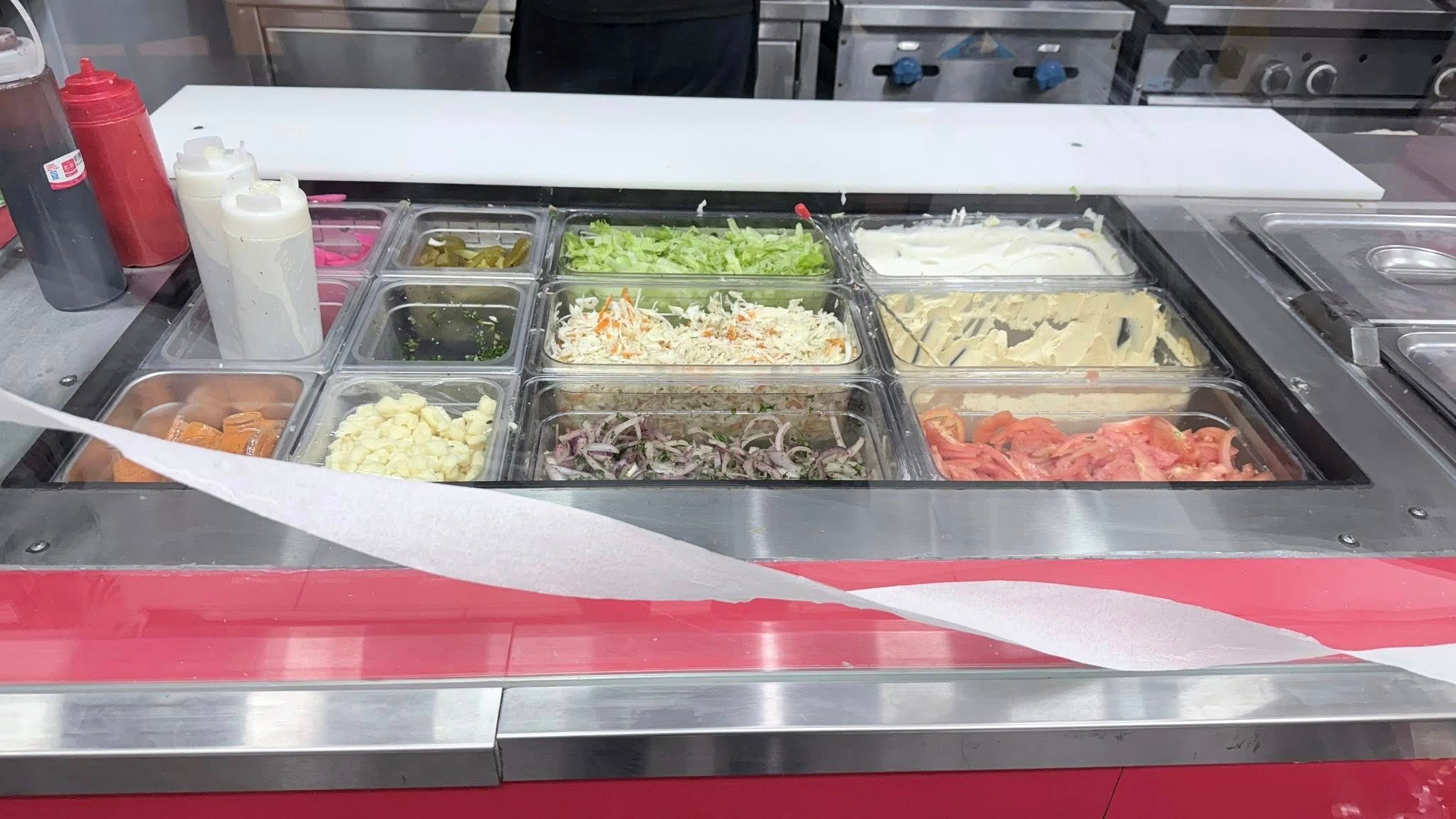
Canada is on track to lose about 4,000 restaurants nationwide in 2026, and while the number sounds alarming, it shouldn’t come as a surprise. According to a new report from Dalhousie University’s Agri-Food Analytics Lab, this loss will occur on a net basis meaning closures will outpace new openings by thousands. In my view, this isn’t a sudden collapse of an industry. It’s a long-overdue reckoning.
For years, Canada’s restaurant sector has been quietly bleeding. Since 2021, many establishments have survived not because their business models were healthy, but because extraordinary pandemic-era supports kept them afloat. Wage subsidies, rent relief, loan deferrals, and tax postponements acted like economic life support. They prevented mass closures at a critical time, but they also delayed the inevitable.
Now, those supports are gone, and the true financial condition of the industry is being exposed.
Restaurants Canada estimates that 41 per cent of food service businesses are either operating at a loss or barely breaking even. That figure alone tells us the sector has been functioning under extreme strain. Add to that another sobering statistic: 41 per cent of Canadians say they cut back on restaurant visits last year due to higher costs. When nearly half of your customers are pulling back, no amount of creativity in the kitchen can make up for the shortfall.
The pressures facing restaurants today are structural, not temporary. Input costs have surged since the pandemic food, energy, rent, and insurance all cost more. Labour costs have also risen sharply, and recent changes to the temporary foreign workers program have made staffing even more challenging. Restaurants are being squeezed from every direction, and there’s little room left to absorb the shock.
What’s especially telling is where the pain is being felt. Alcohol sales traditionally one of the industry’s biggest profit drivers are weakening as Canadians become more frugal. People are still eating out, but they’re ordering fewer drinks, skipping appetizers, or choosing cheaper options. That shift alone can turn a marginally profitable restaurant into an unsustainable one.
Larger chains may survive this storm. They benefit from scale, stronger balance sheets, and the ability to negotiate better prices with suppliers. Independent, owner-operated restaurants, however, are far more vulnerable. These are often passion-driven businesses with thin margins and limited access to capital. For many of them, one bad year is all it takes.
Silvain Charlebois, director of Dalhousie’s Agri-Food Analytics Lab and author of the report, puts it bluntly: the industry is being “right-sized.” That phrase may sound cold, but it captures the reality. Canada likely had more restaurants than the market could sustainably support, especially once consumer behaviour shifted and costs reset at a higher level.
This doesn’t mean the closures won’t hurt. They will. Each restaurant that shuts its doors represents lost jobs, shuttered dreams, and a blow to local communities. Independent restaurants are cultural anchors they give neighbourhoods character and bring people together. Losing them is more than an economic statistic; it’s a social loss.
But pretending that all of them could or should survive would be dishonest. Prolonged artificial support can delay adjustment, but it can’t eliminate it. What we’re seeing now is the delayed consequence of years of economic stress finally catching up with the sector.
The question isn’t whether closures will happen they already are. The real question is what comes next. Policymakers should focus less on blanket support and more on targeted measures that help viable businesses adapt: easing regulatory burdens, improving access to financing, and supporting productivity improvements. Consumers, too, play a role. If we value independent restaurants, we have to understand that sustainable prices not bargain dining are part of keeping them alive.
The loss of 4,000 restaurants is not a sign of sudden failure. It’s the end of an illusion that the industry could return to its pre-pandemic form unchanged. Painful as it may be, this reset could ultimately lead to a leaner, more resilient restaurant sector one better aligned with today’s economic realities.


![Three smiling women sit on a colorful padded floor, posing with a large sign that reads Canada Child Benefit and its French translation, in a community setting with a pillow saying This Classroom Runs on Kindness nearby.]','Three women pose for a group photo indoors, holding a white board about the Canada Child Benefit and its French equivalent, with colorful circles in the design and a kindness-themed cushion nearby.'] }``` Wait formatting wrong. We must provide proper JSON. Let's craft properly. Provide 5 options. Ensure no stray quotes. Let's produce proper JSON. Use single quotes in descriptions? Must be double quotes. I'll provide array of strings. Ensure no stray characters. Let's do. } For safety. Let's output.} Let's craft final.} Wait earlier included typos. Let's deliver.]]>](https://www.thesouthasiajournal.com/wp-content/uploads/2026/07/12-2-390x220.jpg)