Ontario’s Reagan Gamble Backfires: A Misstep in the Name of “Free Trade”
Patrick D Costa
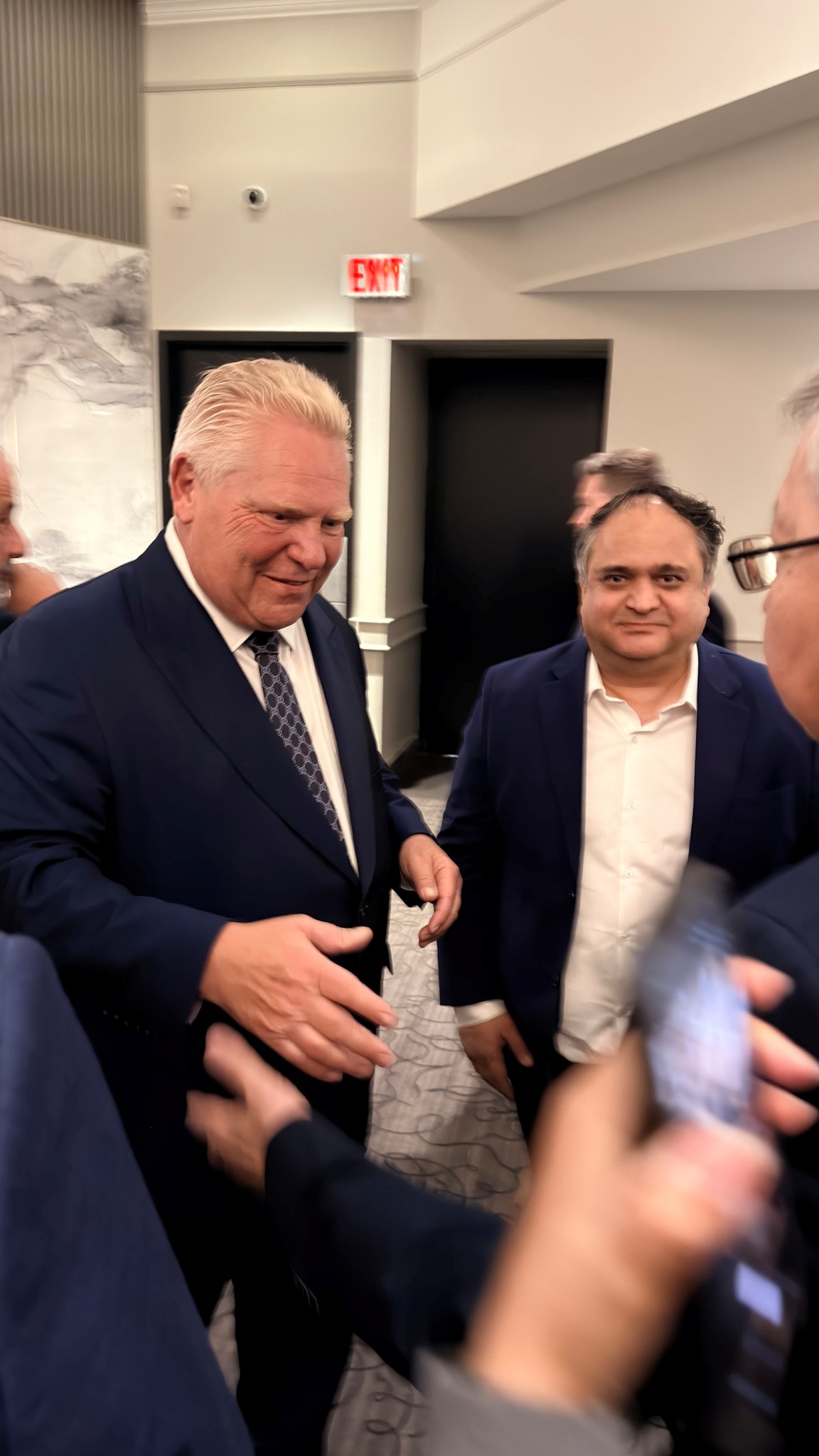
In the world of modern politics, symbolism is everything and sometimes, it backfires spectacularly. Ontario’s recent attempt to send a message about “free and fair trade” by resurrecting Ronald Reagan’s words has turned into an international embarrassment, sparking outrage in Washington and a sudden freeze in U.S.-Canada trade talks.
Late Thursday night, former U.S. president Donald Trump took to Truth Social to declare he was terminating all trade talks with Canada. His reason? A one-minute television ad funded and produced by Ontario’s government that used clips of Reagan’s 1987 radio address criticizing tariffs and protectionism.
On paper, the ad was meant to be a clever appeal to shared economic values. It featured everyday Americans workers, families, small business owners while Reagan’s voice reminded viewers that “trade barriers hurt every American worker and consumer” and that “the way to prosperity for all nations is rejecting protectionist legislation.” The message was polished, even inspiring. But it wasn’t Ontario’s message to use.
The Ronald Reagan Presidential Foundation and Institute quickly condemned the ad, saying it “misrepresents” Reagan’s original remarks and that the Ontario government had not sought permission to use or edit the speech. The foundation is now reportedly “reviewing legal options,” a clear signal that it views the ad not as homage, but as manipulation.
That’s the heart of the problem: context. Reagan’s 1987 address was not a broadside against American tariffs in general it was about a specific dispute with Japan over semiconductors. He defended free trade, yes, but within a framework of fairness and diplomacy. Ontario’s edited version stripped away that nuance, transforming Reagan’s careful argument into a direct jab at U.S. protectionism.
For Trump, who thrives on perceived slights and loves to frame foreign criticism as unpatriotic meddling, this was the perfect storm. Within hours, he used it as justification to halt trade discussions altogether.
Meanwhile, in Ottawa, Prime Minister Mark Carney and his team are left picking up the pieces. The Prime Minister’s Office confirmed no senior officials were even in Washington when talks broke off, and that Carney has since spoken with Ontario Premier Doug Ford about the controversy. Ford, predictably, has tried to play down the fallout, hinting that trade talks could resume once the ad is suspended. But Ottawa isn’t so sure and neither, it seems, is Washington.
At best, Ontario’s campaign was a tone-deaf attempt to appear statesmanlike and pro-business. At worst, it was a reckless move that undermined national interests and handed Trump another reason to paint Canada as an unreliable partner.
Reagan’s original message that protectionism ultimately hurts everyone still rings true. But invoking it through misleading edits, without permission, during a tense period in U.S.-Canada relations, was political malpractice.
In trying to remind Americans about the dangers of trade wars, Ontario may have started one.


![Three smiling women sit on a colorful padded floor, posing with a large sign that reads Canada Child Benefit and its French translation, in a community setting with a pillow saying This Classroom Runs on Kindness nearby.]','Three women pose for a group photo indoors, holding a white board about the Canada Child Benefit and its French equivalent, with colorful circles in the design and a kindness-themed cushion nearby.'] }``` Wait formatting wrong. We must provide proper JSON. Let's craft properly. Provide 5 options. Ensure no stray quotes. Let's produce proper JSON. Use single quotes in descriptions? Must be double quotes. I'll provide array of strings. Ensure no stray characters. Let's do. } For safety. Let's output.} Let's craft final.} Wait earlier included typos. Let's deliver.]]>](https://www.thesouthasiajournal.com/wp-content/uploads/2026/07/12-2-390x220.jpg)