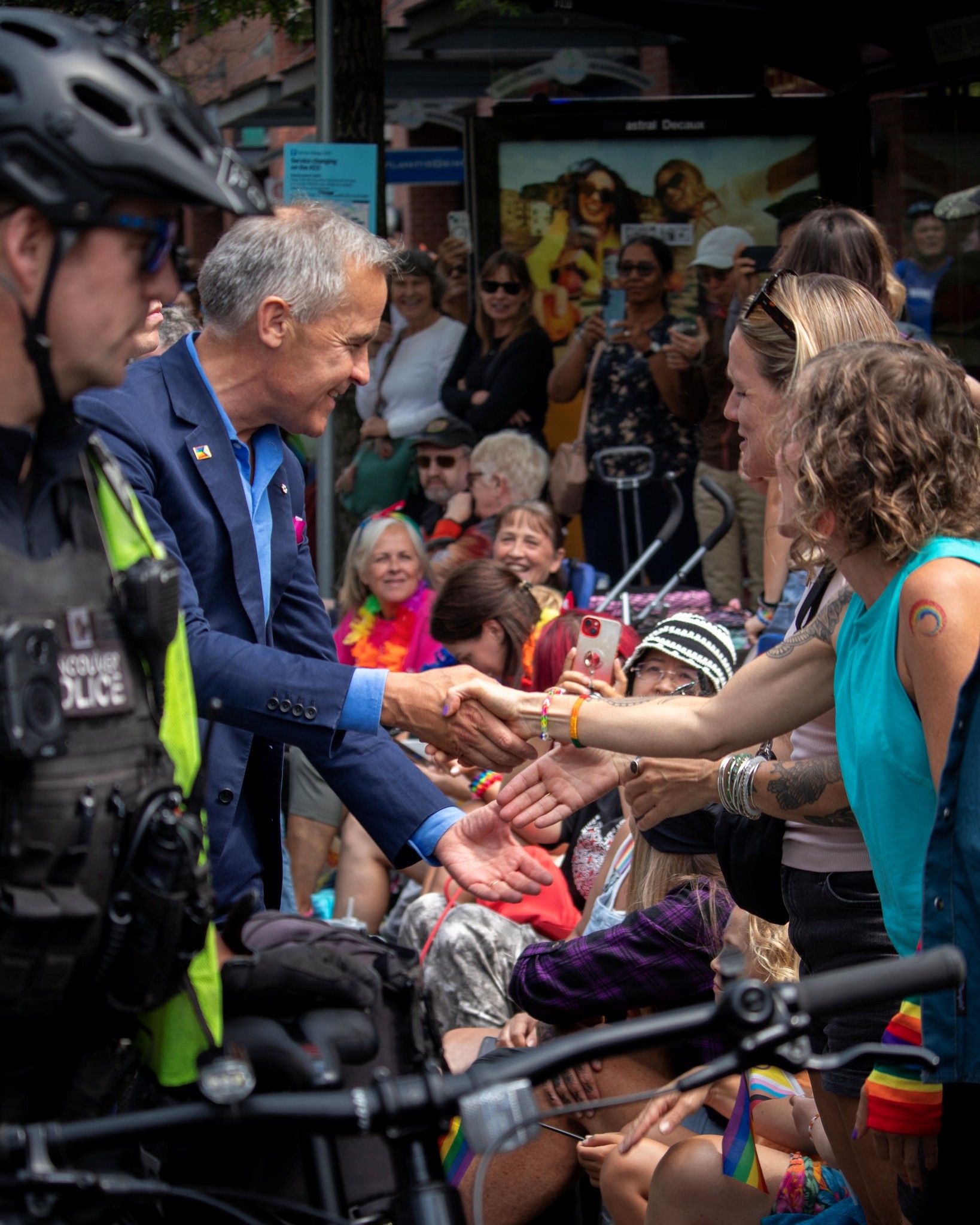
Mark Carney’s warning that Canadians must be ready to make “sacrifices” ahead of the federal budget has stirred both curiosity and concern. The Prime Minister’s words delivered first in a speech and then reinforced in a press conference with Ontario Premier Doug Ford hint at a difficult road ahead for the country. Yet, beneath the political caution and careful phrasing, there’s an uncomfortable truth: Canada may indeed need to tighten its belt if it wants to secure a stronger future.
Carney’s insistence that the government will continue to support vulnerable Canadians through health transfers, child-care initiatives, dental care, and a national school food program offers some reassurance. Still, it’s clear that something has to give. Balancing compassion with fiscal discipline is never easy, and the former Bank of England governor knows the math as well as the politics.
His economic vision focuses on doubling non-U.S. exports over the next decade and investing heavily in domestic infrastructure. It’s an ambitious, long-term strategy one that acknowledges a harsh new reality: Canada can no longer depend solely on its decades-old economic intimacy with the United States. With U.S. President Donald Trump’s return to the White House and his renewed appetite for tariffs, Carney’s warning that our “former strengths” have become vulnerabilities feels less like political rhetoric and more like pragmatic foresight.
But ambition comes with cost. The word “sacrifice” is politically risky it invites opposition and stirs anxiety. Conservative Leader Pierre Poilievre wasted no time seizing on that point, arguing that Canadians have already paid enough under the current government’s economic policies. His critique resonates with many Canadians feeling the pinch of high prices, high taxes, and stagnant wages.
Still, the truth lies somewhere in between. The Canadian economy is at a crossroads: overly reliant on a single trading partner, under pressure from global competition, and strained by domestic affordability issues. Carney’s push to diversify trade especially through markets like Mexico, where Ambassador Cameron MacKay sees “real opportunity” could open doors to new growth. But diversification takes time, investment, and yes, sacrifice.
Whether Canadians are willing to make those sacrifices and whether Carney can clearly explain what they’ll entail will define the political and economic tone of the coming years. Optimism alone won’t carry the country through structural change. What’s needed is a blend of honesty, resilience, and shared commitment.
If Carney can convince Canadians that short-term pain will bring long-term gain, his message of sacrifice could become a rallying cry for renewal rather than a warning of hardship. But if the costs are high and the benefits distant, it risks sounding like yet another politician asking ordinary people to shoulder the burden of elite ambitions.
In the end, Carney’s challenge is as much about communication as it is about economics. Canadians don’t fear sacrifice they just want to know it’s for something real.