Mark Carney’s Big Swing: A Bold Vision for Canada’s Future, But at What Cost?
Abdur Rahman Khan
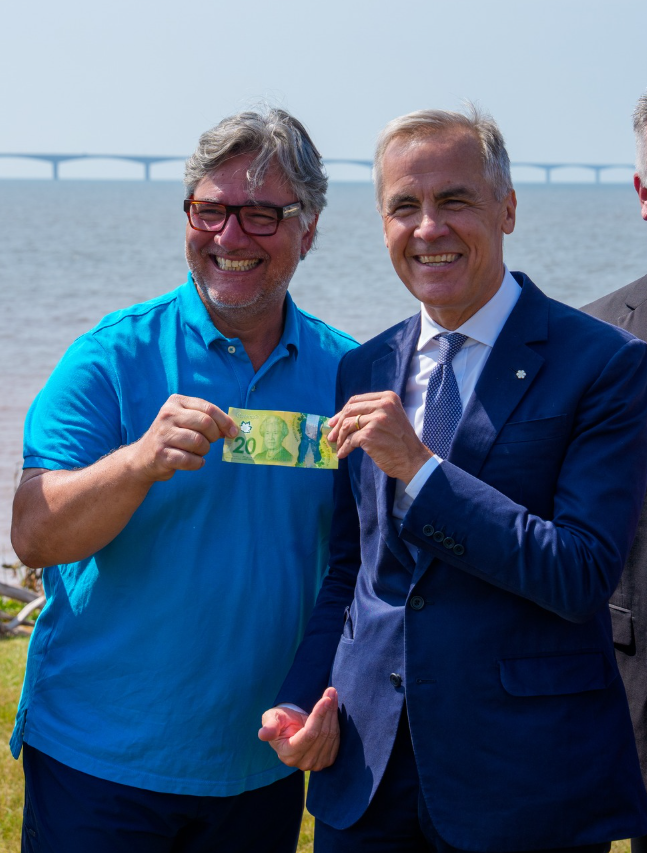
Prime Minister Mark Carney’s primetime address at the University of Ottawa was not your typical political speech. It was, in many ways, a call to arms an urgent plea for Canadians to rethink the very foundation of our economy. His vow to double non-U.S. exports over the next decade and fast-track major “nation-building” projects signals an ambitious new era. Yet, as inspiring as it sounded, the underlying message was sobering: this transformation won’t come without sacrifice.
Carney’s blunt admission that Canada’s decades-long economic reliance on the United States has become a vulnerability is both honest and overdue. The era of easy trade and cozy economic interdependence with our southern neighbor has been eroding for years first under Donald Trump’s tariffs and now amid growing U.S. protectionism. Carney is right that Canada must look elsewhere, expanding trade horizons and building resilience through diversification.
But ambition alone won’t balance the books.
With Desjardins warning that the upcoming budget deficit could soar past $70 billion — the largest in 30 years outside of recession and pandemic periods Carney faces a fiscal mountain. His commitment to efficiency and “doing less of what we want so we can do more of what we must” may sound pragmatic, but cutting spending while simultaneously ramping up massive infrastructure and defence investments is a delicate, perhaps contradictory, balancing act.
The promise to protect social programs like dental care, child care, and the national school food program will surely resonate with Canadians. Still, maintaining these initiatives alongside massive infrastructure projects and a new immigration and housing strategy risks stretching public finances even thinner.
Carney’s focus on skills training and a “talent strategy” for young Canadians was one of the more hopeful aspects of his address. Speaking directly to students, he urged them to see this economic shift as an opportunity a generational pivot rather than a crisis. “It’s your future,” he told them. It’s hard not to be inspired by that kind of message. But it’s also hard not to wonder whether this next generation will be the one left footing the bill for today’s bold promises.
Desjardins’ projection that Canada’s deficit could nearly double from previous estimates paints a concerning picture. With tax cuts and tariff removals reducing revenue, even the most optimistic growth forecasts will be tested. As Carney himself noted, “If we don’t act now, the pressures will only grow.” The question is whether this government can truly act now without overextending itself and whether Canadians are ready to accept the sacrifices that come with such sweeping economic change.
In the end, Carney’s speech was both visionary and risky the kind of “swing for the fences” moment that could define a generation of Canadian politics. If he pulls it off, he’ll be remembered as the leader who rebuilt Canada’s economic independence. But if the deficit balloons and growth falters, history may remember this as a gamble too big for its time.
Either way, the message was clear: the easy road is behind us. What lies ahead if Carney’s vision becomes reality is a new, self-reliant Canada built on trade diversification, infrastructure renewal, and the hope that sacrifice today will mean strength tomorrow.