Ottawa Is Stalling on EV Mandates and That Might Be a Good Thing
Abdur Rahman Khan
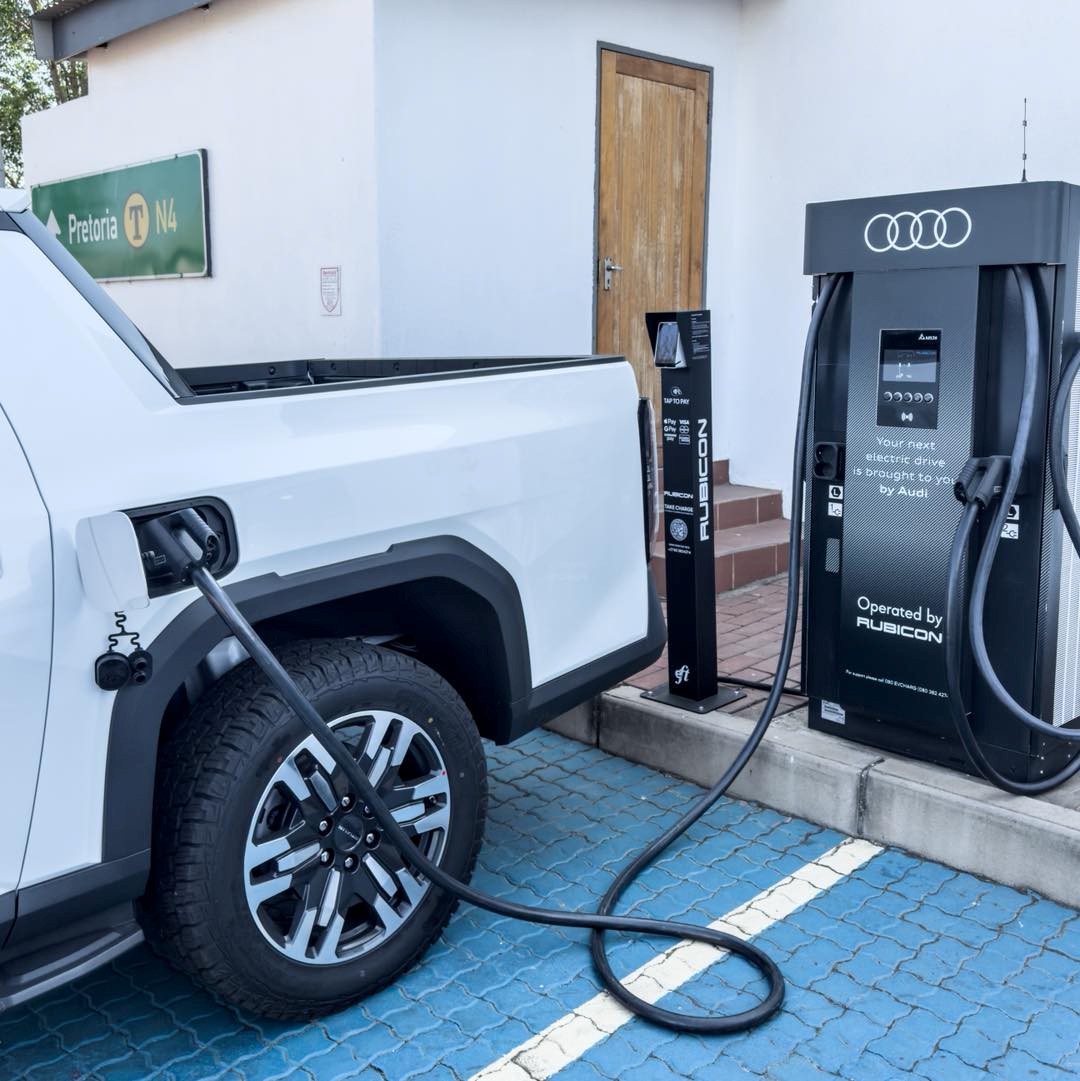
The federal government has hit the brakes on its electric vehicle (EV) mandate, delaying minimum sales requirements for the 2026 model year while it reconsiders its broader strategy. Prime Minister Mark Carney’s announcement of a 60-day review signals something important: Ottawa is finally acknowledging that Canada’s EV transition isn’t going as smoothly as once promised.
Frankly, this pause makes sense. Automakers are already carrying heavy baggage $12 billion USD in tariffs, rising costs, and the global uncertainty of protectionism. Layering strict EV sales quotas on top of those burdens doesn’t just strain manufacturers; it risks weakening Canada’s competitiveness in a sector that employs thousands. Carney’s move gives them breathing room at a critical time.
But the real problem isn’t in the factories. It’s on the streets. Canadians simply aren’t buying EVs at the pace policymakers assumed. The reasons are no mystery: EVs still cost more upfront than gas-powered cars, and public charging infrastructure is lagging badly. For many households, especially outside urban centres, an EV just doesn’t feel practical yet.
That’s why the government’s earlier approach heavy on regulation, light on consumer support was flawed from the start. Forcing automakers to hit sales targets doesn’t change the fact that buyers hesitate when the nearest reliable charging station is miles away or when federal rebates vanish without warning. In January, Ottawa’s incentive program ran out of money before its March deadline, leaving consumers high and dry. That kind of stop-start policymaking undermines public confidence.
The better strategy is obvious: make the switch attractive and achievable for Canadians. Industry groups are right when they say rebates and charging infrastructure will do far more to accelerate adoption than quotas ever could. The government’s recent hints about reinstating incentives are encouraging, but vague promises won’t cut it. Cost relief and visible progress on charging stations are the twin pillars of consumer confidence. Without them, EV uptake will stall.
None of this means Canada should abandon its long-term goal of 100 per cent zero-emission vehicle sales by 2035. Electrification is happening worldwide; it’s not a matter of if but how. What Canada needs is a pragmatic path forward one that supports industry, prioritizes affordability, and builds the infrastructure that makes EVs practical for everyday Canadians.
For now, pressing pause on mandates isn’t backtracking. It’s a chance to reset the conversation. And if Ottawa uses this moment wisely, the road to 2035 could be a lot smoother for automakers and for drivers alike.


![Three smiling women sit on a colorful padded floor, posing with a large sign that reads Canada Child Benefit and its French translation, in a community setting with a pillow saying This Classroom Runs on Kindness nearby.]','Three women pose for a group photo indoors, holding a white board about the Canada Child Benefit and its French equivalent, with colorful circles in the design and a kindness-themed cushion nearby.'] }``` Wait formatting wrong. We must provide proper JSON. Let's craft properly. Provide 5 options. Ensure no stray quotes. Let's produce proper JSON. Use single quotes in descriptions? Must be double quotes. I'll provide array of strings. Ensure no stray characters. Let's do. } For safety. Let's output.} Let's craft final.} Wait earlier included typos. Let's deliver.]]>](https://www.thesouthasiajournal.com/wp-content/uploads/2026/07/12-2-390x220.jpg)