Buy Now, Pay Later: Why Canadians Should Think Twice Before Falling for Easy Payments
Taslima Jamal
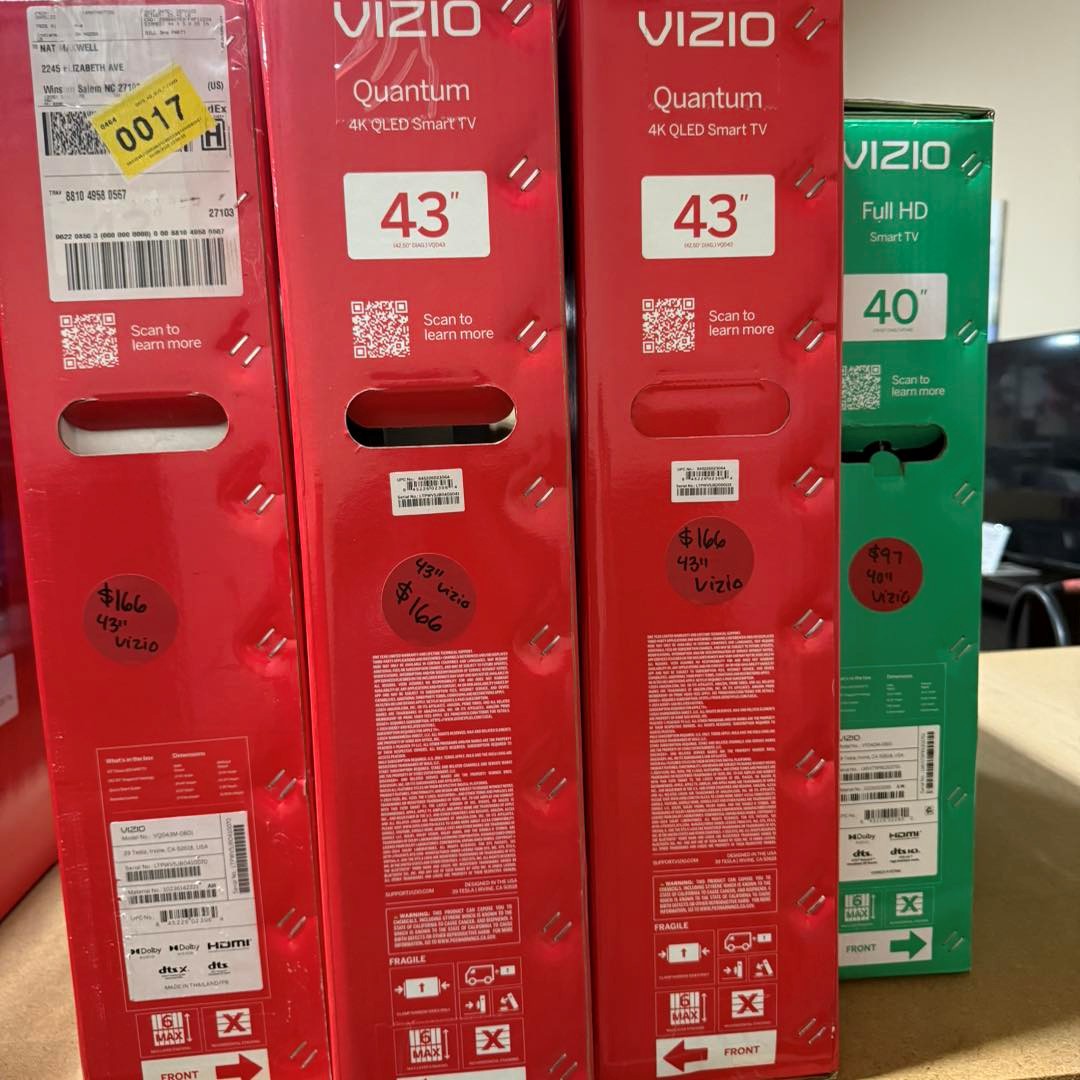
The rising cost of living in Canada has pushed many households to get creative with how they manage expenses. Groceries, rent, phone bills, school supplies it all adds up, and fast. So when a little button pops up at checkout offering to split your payment into bite-sized chunks, it feels like a lifeline. Why not pay $10 now instead of $100?
But here’s the problem: that lifeline can quickly turn into a chain.
The concept of “buy now, pay later” (BNPL) isn’t new. Mortgages are the oldest form of it, after all. What’s new is how aggressively it’s being marketed. Whether you’re shopping for a laptop, ordering takeout, or even just picking up groceries, you’ll see the option to pay later. And for families already stretched thin, it’s a tempting offer.
The catch is subtle but dangerous. Every small payment seems harmless until you realize you’ve got 10, 15, maybe even 20 of them stacking up. Miss one, and suddenly you’re hit with interest and penalties. It’s like juggling too many balls one slip, and it all crashes.
Financial counsellors are right to worry. Canadians are no longer just using BNPL for big, one-off purchases like a new TV. Increasingly, they’re leaning on it for day-to-day spending. That’s not a strategy it’s survival mode. And survival mode, sustained long enough, leads to a debt spiral.
I get it credit itself isn’t evil. Used wisely, breaking a $2,000 laptop into four payments can make sense. It lets you invest in something you truly need without gutting your bank account in one go. But when we start using BNPL for takeout or a Friday night splurge, that’s where the red flags wave.
The irony? For disciplined spenders, BNPL can actually be cheaper than racking up interest on a credit card charging 20 per cent. But let’s be honest: most of us aren’t meticulously tracking every payment in a spreadsheet. And if you’re already financially stressed, discipline is the hardest thing to cling to.
With back-to-school shopping season upon us, this is the moment to step back and reflect. Do kids really need brand-new supplies every year, or can some things be reused? Can you budget ahead instead of reaching for the “pay later” button? Planning beats panic every single time.
Here’s the bottom line: “buy now, pay later” is not free money. It’s debt, dressed up in a friendlier outfit. If you treat it as an occasional tool, it can work in your favour. But if you rely on it for everyday life, you’re not buying time you’re buying trouble.
The truth hurts, but it’s simple: don’t spend money you don’t have.