Ottawa’s EV Rebate Fiasco: A Cautionary Tale of Poor Planning and Broken Trust
Taslima Jamal
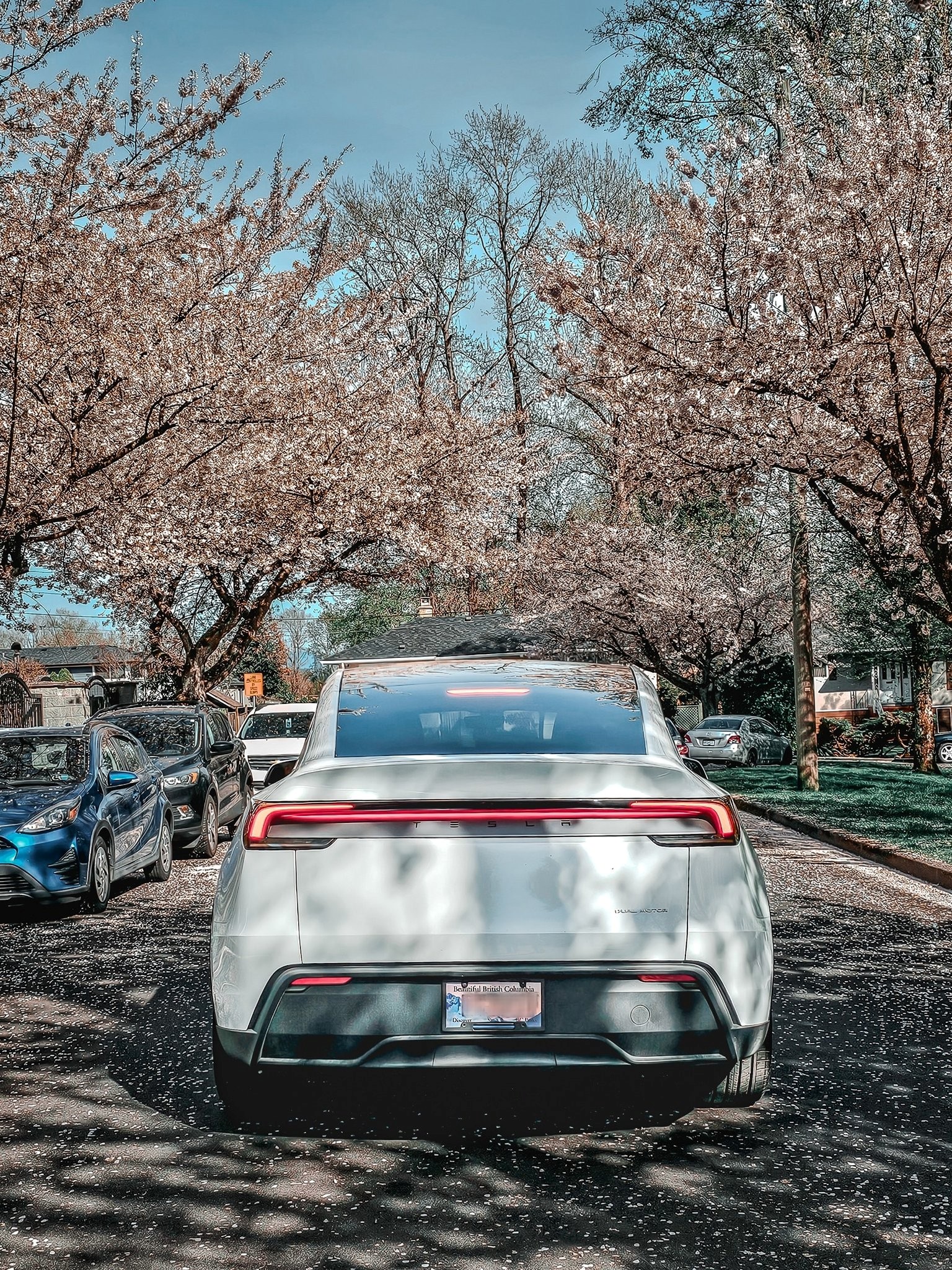
The federal government’s electric vehicle (EV) rebate program — once a shining example of climate-forward policy — has devolved into a case study in mismanagement, confusion, and broken promises.
The Incentives for Zero-Emission Vehicles program (iZEV) was supposed to help accelerate Canada’s transition to a greener future by offering consumers up to $5,000 off new EVs. For five years, it worked — EV sales soared, dealers adapted, and buyers finally had a reason to consider ditching gas for good.
Then, in January, the government slammed on the brakes.
Without warning, Transport Canada suspended the iZEV program just three days after quietly suggesting it might run out of funds. The damage was swift and wide-reaching: auto dealers, caught completely off guard, were left on the hook for millions in unreimbursed rebates they had promised to customers in good faith.
It’s estimated that dealers across the country are out $11 million.
This wasn’t just poor planning. It was a betrayal of trust between government and business. Dealers made decisions based on a program they had every reason to believe would be wound down gradually — not yanked away overnight. These are businesses employing thousands of Canadians, and many took losses to honour rebate promises, hoping Ottawa would keep its word.
Worse still, a new layer of controversy has emerged around Tesla. According to analysis by the Toronto Star, Tesla submitted more than $43 million worth of rebate claims for 8,600 vehicles — all in a single weekend just before the program was shut down.
Since March, Transport Minister Chrystia Freeland’s office has said payments to Tesla were paused for investigation. Yet months later, there are no answers. No transparency. And certainly no accountability.
The Canadian Automobile Dealers Association is right to demand clarity. Were the rules followed? Was Tesla tipped off? We don’t know — but these are not unreasonable questions. Taxpayers deserve answers, and so do the thousands of dealerships playing by the rules who were left with empty pockets.
And it’s not just the dealers who are hurting. EV sales, unsurprisingly, have plummeted. From a peak of 18.29% of new vehicle sales in December 2024, EV sales dropped to just 7.53% by April. That’s a collapse.
Buyers are holding off, waiting for the return of incentives — a promise the Liberals made on the campaign trail. But the government’s credibility is now in question. Who’s to say the rebooted program won’t suffer the same fate?
If Ottawa wants Canadians to trust its climate policies — and to truly accelerate the shift to electric vehicles — it needs to do three things:
- Reimburse dealers fully and quickly. They shouldn’t pay for the government’s missteps.
- Come clean on what happened with Tesla. If there was special treatment, it must be acknowledged and addressed.
- Relaunch the iZEV program — but with a sustainable funding model, clear communication, and safeguards to prevent this kind of mess again.
Climate action requires partnerships — between government, industry, and the public. Ottawa broke that partnership in January. Friday’s announcement is a chance to start repairing it.
But actions, not promises, will determine whether Canadians still believe.